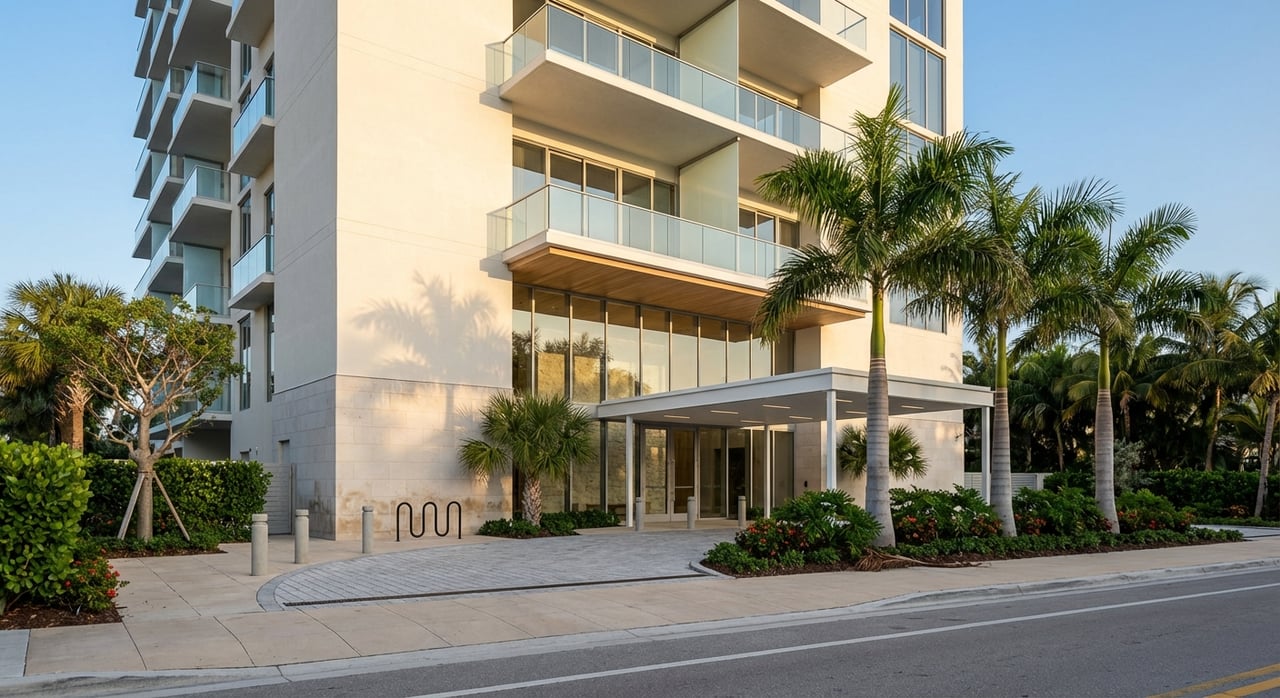
Eyeing a condo on Lido Key or near St. Armands? One topic you will hear again and again is Florida’s “milestone inspection.” If you are comparing buildings on the coast, understanding this process can help you avoid surprise assessments and make a confident offer. In this guide, you will learn what milestone inspections are, what gets examined, how reserves and funding work, and the exact documents and questions to use during due diligence. Let’s dive in.
Milestone inspections, explained
Florida adopted stronger condo safety rules after the 2021 Surfside collapse. The state now requires many multi‑story condominium buildings to undergo periodic, building‑level structural and life‑safety reviews called milestone inspections. These inspections are age‑based, with coastal buildings typically triggered sooner than inland buildings. After the first one, they repeat on a regular cadence, often every 10 years.
Inspections must be performed by licensed professionals such as structural or civil engineers, or architects. The inspector delivers a written report to the association that identifies deficiencies and recommended repairs. Associations must share findings with owners and follow any filing or local building department requirements. When serious issues are found, local officials can require immediate action, and associations usually need a repair plan and funding strategy.
For exact legal definitions, deadlines, and distance‑to‑coast measurements, review the current Florida statutes and any Sarasota County or City of Sarasota rules. Your attorney, engineer, or association manager can confirm the latest requirements for a specific building.
What inspectors look at
Structure and envelope
Milestone inspections focus on the building itself, not the interior of individual units. Typical components include:
- Structural systems such as columns, beams, slabs, load‑bearing walls, and foundations
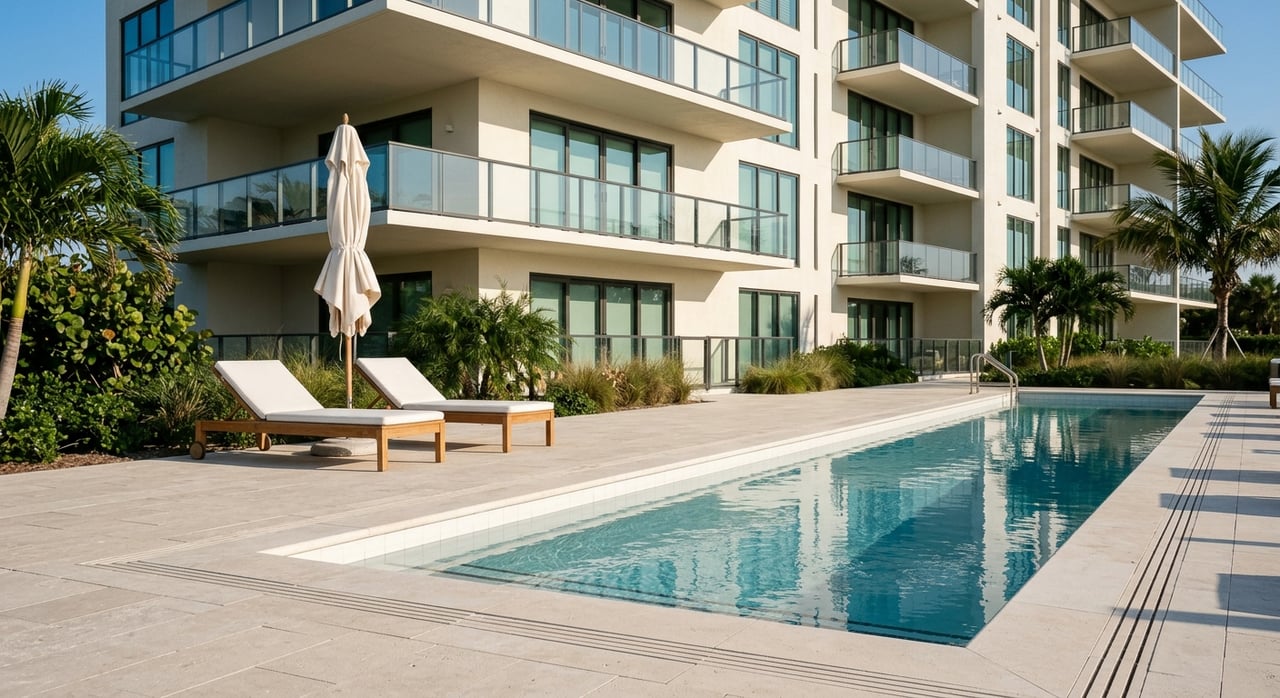
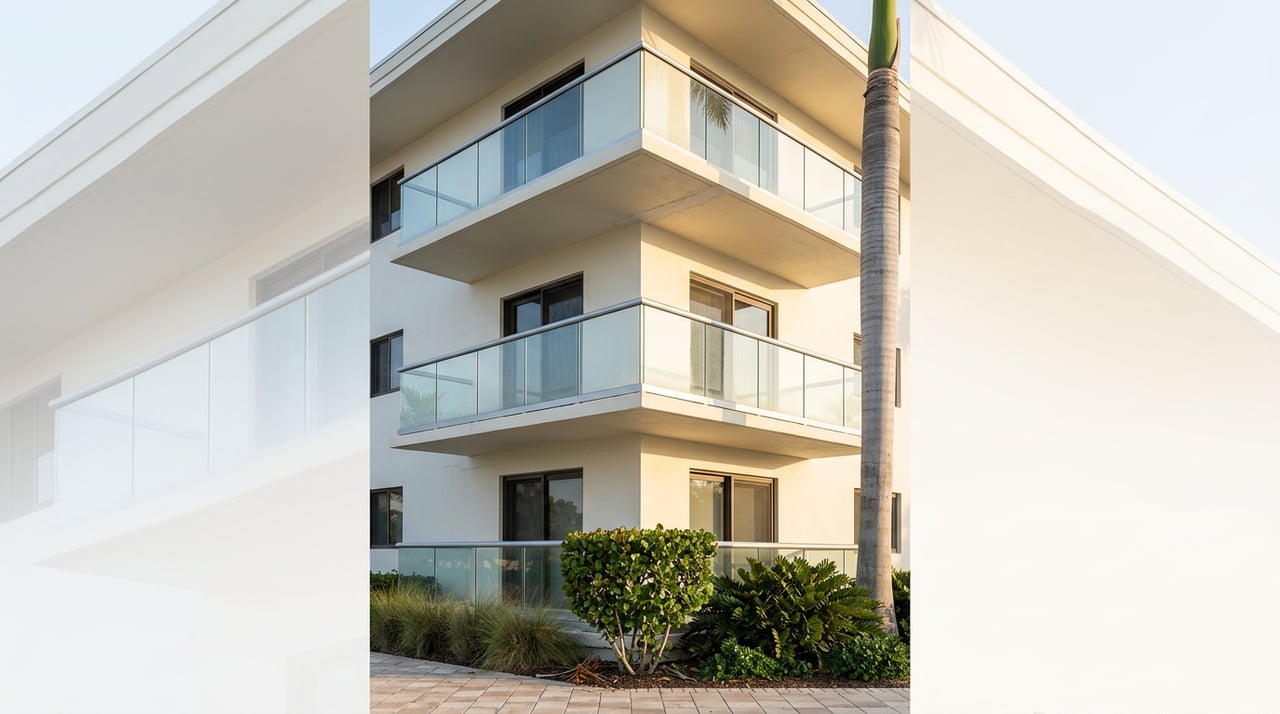
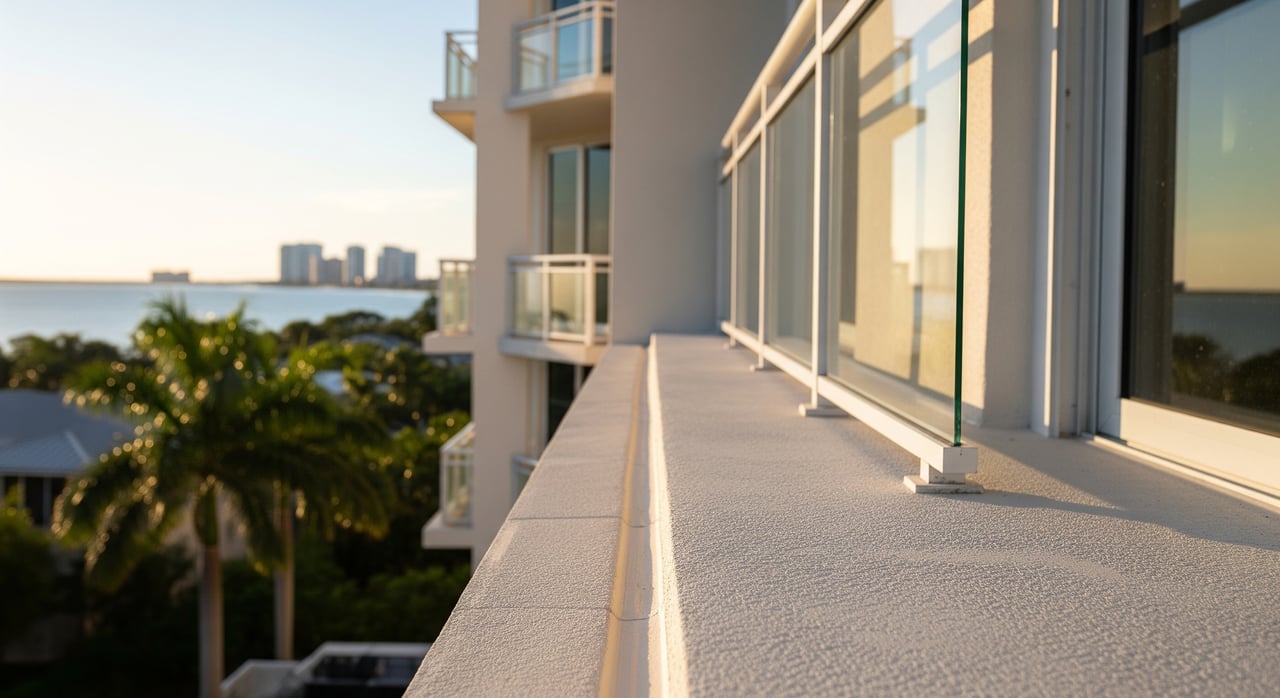
- Exterior enclosure and facade, including balconies, balcony guards, and waterproofing
- Parking garages or covered parking structures for slab integrity and corrosion
- Roof systems and flashing
- Drainage and water intrusion points in the building envelope
- Structural life‑safety elements such as exits, stairwells, and fireproofing
- Corrosion and rebar condition, especially where concrete shows cracking or spalling
Not a unit inspection
A milestone inspection is not a substitute for your interior home inspection. You will still want a standard condo unit inspection for appliances, interior plumbing, electrical, and finishes.
Why coastal Sarasota needs attention
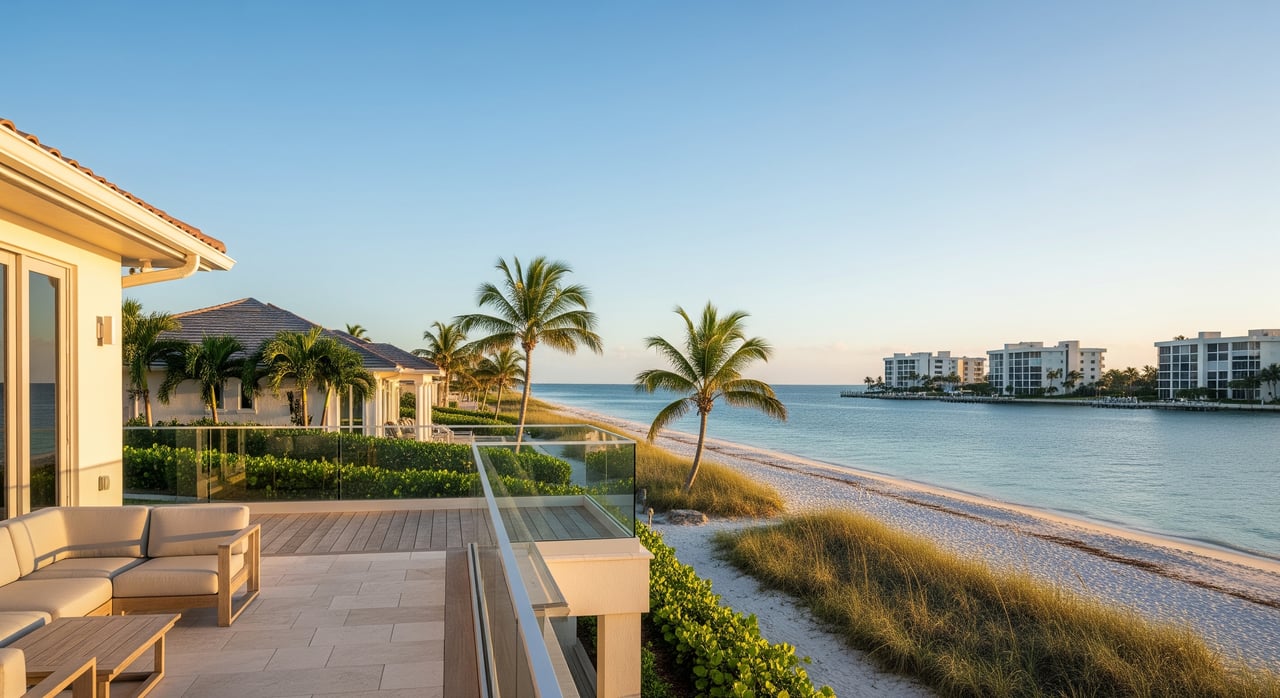
Salt air and high humidity on Lido Key and around St. Armands can accelerate corrosion of steel reinforcement, connections, and balcony elements. Many seaside condos here were built decades ago and may be at or past the ages that trigger inspections. A high water table, storm surge exposure, and past hurricane events can also influence building condition and insurance.
Reserves and your bottom line
A milestone inspection identifies what needs fixing. A reserve study estimates the cost and timing of those fixes and recommends how much the association should save each year.
Inspection vs. reserve study
- Milestone inspection: A building‑level condition and safety assessment with recommended repairs.
- Reserve study: A financial plan that estimates useful life for major components and sets a funding schedule.
You want both. The inspection tells you what is wrong or due soon. The reserve study and budgets tell you whether money is available to pay for it.
How repairs get funded
Associations typically use one or a mix of the following:
- Existing reserves when adequately funded
- One‑time special assessments paid by unit owners
- Association loans that are repaid through increased monthly fees or additional assessments
A milestone report showing significant structural work can lead to large assessments or higher monthly dues. That affects affordability and resale value, so it is important to understand the building’s funding plan.
What lenders and insurers watch
Lenders often ask for up‑to‑date inspection records, reserve information, and disclosures about pending assessments. Some lenders avoid financing units in buildings with major structural repairs pending or low reserves. Insurers also scrutinize coastal buildings and may have higher premiums and windstorm deductibles. FHA or VA approval for an entire condo project is separate and can matter if you are using those loan types.
Your due diligence checklist
Documents to request
Ask for these before you go firm on your contract, or during your contingency period:
- The most recent milestone inspection report and any follow‑up engineer reports
- Board meeting minutes for the last 12–24 months, especially meetings where inspections or repairs were discussed
- Current budget, prior‑year budgets, and the latest reserve study
- Current reserve account balance (bank or accountant statement)
- A list of all approved, pending, or contemplated assessments
- All invoices, contracts, and permits for structural, balcony, roof, parking garage, or envelope repairs in recent years
- Current insurance certificates, including master policy details, deductibles, exclusions, and flood insurance arrangements
- Any pending litigation affecting the association
- Association rules on rentals if you plan seasonal or short‑term use
Key questions to ask
Use these to focus conversations with the association or listing agent:
- Has the building completed its required milestone inspection? When, and by whom?
- What repairs were recommended, and what is the plan and timeline to complete them?
- How will repairs be funded: reserves, special assessment, or a loan? What is the estimated cost per unit?
- Is there a current reserve study? What percent funded are the major line items?
- Have permits been applied for or issued for required work? Any denials?
- Have any lenders or insurers recently declined applications tied to the building, and why?
- What capital projects are planned in the next 1–3 years that could affect fees or assessments?
Timeline and contingencies
- Build ample time into your inspection and document‑review contingencies to read engineer reports and consult a condo attorney if needed.
- If a report reveals major work after you are under contract, expect possible delays for board votes, contractor selection, permitting, and financing.
- For out‑of‑area buyers, consider hiring a local engineer to interpret findings and a local condo attorney to review documents.
Who to involve
- A local condominium attorney familiar with Florida condo law and Sarasota practices
- A structural or civil engineer with coastal experience in Sarasota‑area buildings
- A lender experienced in Florida condo loans and project approvals
- An insurance broker who understands Florida coastal master policies and flood/wind coverage
- A local real estate team with deep condo experience to collect documents, interpret context, and guide negotiations
Negotiation ideas
- Ask for price concessions or seller credits if substantial repairs are documented and not yet funded.
- Request that certain repairs be completed and permitted before closing, when practical.
- Seek written confirmation from the association about any anticipated assessments or, if none, current expectations, then verify against minutes and budgets.
Red flags
- No milestone report available, or the association will not provide it
- A recent report with major structural deficiencies and no clear funding plan
- Low reserves with a pattern of deferred maintenance or short‑term fixes
- Active litigation or contractor disputes related to structural work
Local notes for Lido Key and St. Armands
Many condos on Lido Key and around St. Armands were built between the 1960s and 1990s, which means many buildings are near or past their initial milestone inspection ages. Salt exposure, sea breeze, and humidity increase the chance of corrosion, concrete spalling, and waterproofing failures. Sarasota County and the City of Sarasota enforce permitting and may require submission of inspection findings or permits for repair work, so local filing and timelines matter. On insurance, coastal associations often face higher premiums and windstorm deductibles, and coverage gaps can shift costs to owners.
The bottom line for buyers: a building with a clear milestone history, a current reserve study, adequate reserves, and a funded repair plan offers more predictability and often better financing options.
Bottom line
Milestone inspections protect safety and value, but they also bring financial realities that can affect your purchase. If you focus on the building’s age, inspection history, reserves, repair plans, and insurance posture, you will make a smarter choice on Sarasota’s coast. If you want a local partner to gather documents, interpret findings, and negotiate the right protections, connect with The Ackerman Group.
FAQs
What is a Florida condo milestone inspection?
- It is a building‑level structural and life‑safety review by licensed professionals that identifies condition issues and recommended repairs for a condominium association.
When does a Sarasota condo need its first inspection?
- The schedule is age‑based, with coastal buildings generally triggered earlier and re‑inspections on a regular cadence afterward; confirm exact timing with the association and current Florida statutes.
How can milestone findings affect my costs?
- Significant repairs can lead to special assessments, higher monthly dues, or association loans that increase fees, which can also influence resale value and financing.
Is this the same as my unit’s home inspection?
- No; the milestone inspection focuses on the building’s structure and safety, while your unit inspection covers interior systems, appliances, and finishes.
Will lenders finance a unit with repairs pending?
- It depends on the scope of issues and the building’s reserves and repair plan; some lenders limit loans in projects with major unresolved structural work or inadequate reserves.
What if the association will not share the report?
- Treat it as a red flag, extend your contingency if possible, and consult a local condo attorney and engineer before proceeding or consider other options.