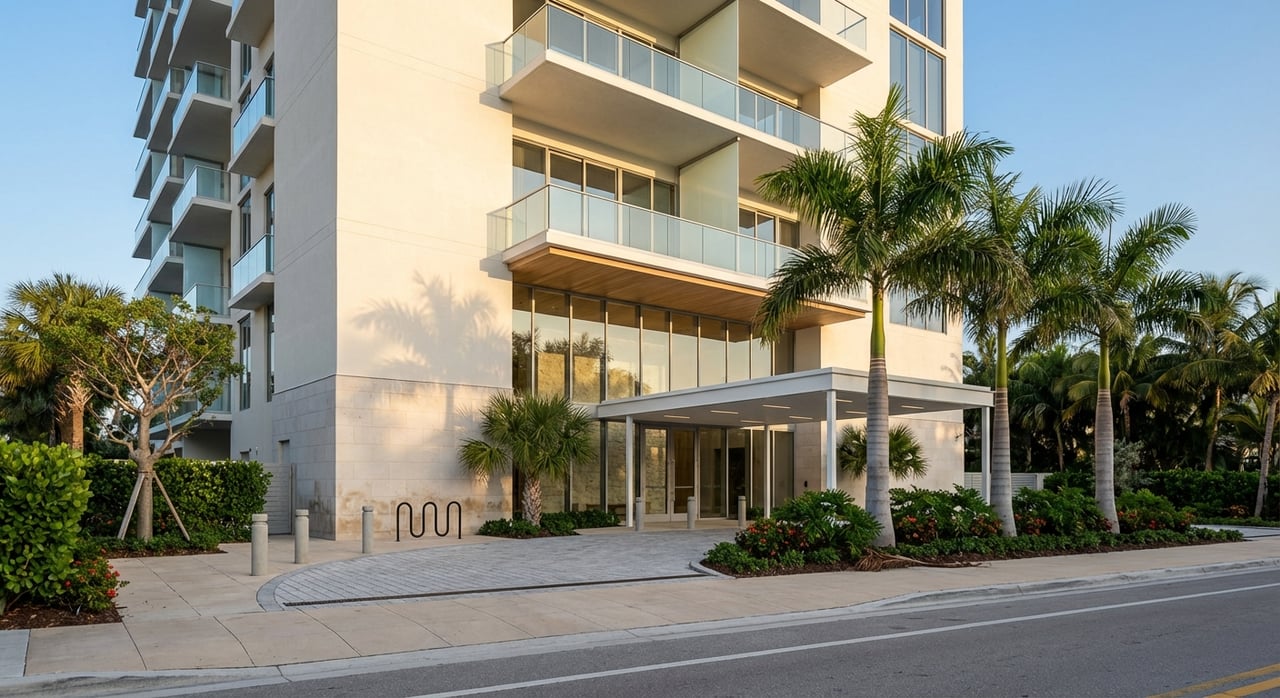
If you are drawn to walkable streets, water views, and easy access to arts and dining, a downtown Sarasota condo can fit your lifestyle. The challenge is choosing the right building for your budget, routine, and long-term plans. In this guide, you will learn how to size up location, HOA health, flood and insurance factors, rules that affect daily life, and the tradeoffs between new towers, boutique mid-rises, and established high-rises. You will also see examples of popular buildings to help you focus your search. Let’s dive in.
Get your bearings in downtown Sarasota
Downtown’s energy clusters along Main Street and Palm Avenue for dining and culture, the Bayfront and Marina Jack for boating and park space, and Golden Gate Point for high-end waterfront living. A major catalyst is The Bay and the Quay redevelopment, which is opening public waterfront access and drawing new luxury residences. You can preview the park’s scope by exploring The Bay’s official visitor page.
What to expect on prices
Downtown offers a wide range. Over the past year, a market aggregator showed a median sale price around $680,000, while new-construction residences and prime bayfront listings often start near or above the 1 to 2 million dollar mark. Penthouses and branded residences can command significantly more.
Flood and resiliency basics
Many bayfront and near-bay parcels fall within Special Flood Hazard Areas on FEMA’s updated Flood Insurance Rate Maps, effective March 27, 2024. Insurance and lender requirements can change based on a property’s flood status. Before you budget, verify the building’s map panel and any elevation certificate using the City’s flood map information page.
Know the rules that change your budget
Florida’s building-safety laws now drive a lot of condo due diligence and can affect your monthly fees.
- Milestone structural inspections apply to residential buildings of three or more stories when they reach 30 years of age. Coastal jurisdictions can set an earlier 25-year schedule. Review the milestone report for any Phase 2 findings and the scope of work. See the statute for details on the milestone program in Florida Statute 553.899.
- Structural Integrity Reserve Studies (SIRS) are now required for eligible buildings and cannot be waived for budgets adopted on or after January 1, 2025. Expect new disclosures in resale packets that summarize these studies.
- Resale contracts and certificates must include milestone and SIRS summaries when they apply. Review them alongside budgets and minutes. The Florida DBPR offers helpful context in its condominiums and cooperatives FAQs.
- If you plan to use a conventional mortgage, ask your lender to run a condo project eligibility review early. Fannie Mae looks at association financials, reserves, litigation, and insurance. See the Fannie Mae geographic considerations for Florida condos.
How to evaluate a building
Buying the right condo starts with a building-first lens. Here is what to weigh and why each item matters.
Location and orientation
- Confirm the exact address, floor, and unit orientation. Do primary rooms face the bay, city lights, or Golden Gate Point?
- Ask for floor plans and sample view photos.
- Walk from the lobby to Main Street, Palm Avenue, Bayfront Park, and your favorite venues to feel real-world distances.
HOA governance and finances
- Review the full resale packet. Focus on the current budget, reserve funding levels, the most recent SIRS or reserve study, and the last 12 to 24 months of board minutes.
- Ask about recent or pending special assessments and the reason for each.
- Confirm how reserves are funded and whether any SIRS items are underfunded.
Insurance and flood exposure
- Request the association’s master insurance declarations. Note windstorm deductibles and whether there is a master flood policy.
- Confirm the unit-level insurance requirements and get a private flood quote if the building or unit is in a flood zone.
- If available, review the building’s elevation certificate and any mitigation improvements.
Building condition and capital projects
- Ask for recent engineer reports, milestone inspection results, and any Phase 2 remediation plans.
- Verify the status and age of roofs, windows, doors, balconies, pool decks, garages, and elevators.
- Look for a clear plan and timeline for upcoming work.
Rules that affect your lifestyle
- Review pet policies, including breed, weight, and number limits.
- Confirm rental rules, minimum lease lengths, and seasonal rental policies if income or flexibility matters to you.
- Check parking, storage, and EV-charging permissions. Clarify whether spaces are deeded or assigned.
Amenity package vs monthly dues
- Full-service towers that offer concierge, valet, and robust amenities often have higher dues but deliver a true lock-and-leave lifestyle.
- Boutique buildings may cost less per month if amenities are modest, but ongoing costs are shared across fewer owners.
Compare your condo options
Downtown Sarasota’s buildings fall into several broad categories. Each has strengths, tradeoffs, and a different fit depending on your lifestyle.
New or recent luxury towers
- Pros: modern systems and impact glass, integrated EV readiness, high-end amenity suites, and a fresh SIRS baseline. Warranties can reduce near-term uncertainty and finishes are typically turnkey.
- Cons: early budgets can change after developer turnover, pricing carries a premium, and some lenders apply added scrutiny to newly completed projects.
Boutique mid-rise
- Pros: privacy, fewer neighbors, and sometimes direct elevator-to-unit access. If amenities are focused, costs may be more predictable.
- Cons: fewer staff services and fewer owners to share major capital work, which raises the importance of well-funded reserves.
Established high-rise and bayfront
- Pros: known management, mature amenity programs, and sometimes larger floor plans at a lower price per square foot than new construction.
- Cons: older window systems and balcony or garage projects are common, which can lead to special assessments. Insurance and flood costs can be higher on older waterfront parcels.
Spotlight: representative downtown buildings
The following examples illustrate the variety you will find downtown. Verify current pricing, HOA dues, pet and rental policies, and any special assessments with the most recent association documents.
- VUE Sarasota Bay, 1155 N Gulfstream Ave, completed around 2017. Luxury bayfront tower with 2 to 3 bedroom residences, 24-hour concierge, valet, fitness, and a heated pool. Many listings are in the 1.5 to 3 million dollar range, with higher prices for penthouses.
- The DeMarcay, 33 S Palm Ave, completed 2023 to 2024. Boutique scale near Palm Avenue dining and galleries, plus a rooftop terrace and pool. HOA fees vary by floor plan. Good fit if you want walkable living without a massive tower.
- Tessera, 500 S Palm Ave, circa 2000. Boutique luxury with large floor plans and full bay views, private garages, and an intimate amenity set. Pricing is typically in the multi-million dollar range with mid-level monthly dues for large units.
- Savoy on Palm, 401 S Palm Ave, 2006. Approximately two dozen residences with private elevator entries, rooftop pool, and a fitness center. Larger three-bedroom plans often list between 2 and 3 million dollars.
- Condo on the Bay, 888 and 988 Blvd of the Arts, built 1982. Twin bayfront towers with marina access, tennis, and significant water views. Prices span from under 1 million dollars for smaller or updating units to several million for renovated residences.
- The Ritz-Carlton Residences, Quay area. Ultra-luxury branded residences with club-level amenities and services. Pricing and HOA dues are at the high end of the downtown spectrum and early governance will be under developer control.
- Aqua, 280 Golden Gate Point, mid-2010s. Boutique waterfront building with very limited residences and deeded boat slips. Expect premium pricing for full-floor and penthouse layouts.
- Pier 550, Golden Gate Point, mid-century vintage conversions. Smaller floor plans and an older ownership profile can present value opportunities on direct waterfront if you are comfortable with older stock and potential maintenance needs.
Your due diligence checklist
Request these items before you write an offer and have your attorney, inspector, and lender review them.
- Full resale packet or estoppel letter with the current budget, year-to-date financials, bank statements, any active or pending assessments, owner delinquencies, and the monthly HOA amount. The DBPR explains resale and disclosure basics in its condo FAQs.
- The most recent Reserve Study and the Structural Integrity Reserve Study if the building is three stories or more. Confirm the percentage funded and the recommended funding plan. For background, see this overview of SIRS in Florida.
- The milestone inspection report and any Phase 2 findings or repair plans, including costs and timelines. Review the statute that governs milestones in Florida Statute 553.899.
- Insurance declarations for the association, flood policy status, and any recent claims. Use the City’s flood map information page to verify zone status and request a private flood quote for your unit.
- Board minutes from the last 12 to 24 months and any litigation summaries, especially for capital projects or contractor disputes.
- Written pet and leasing rules, including any recent amendments and how the association enforces them.
- Parking and storage details. Confirm whether spaces are deeded or assigned and whether EV charging is installed or permitted.
- Ask your lender to complete a project review early. Fannie Mae summarizes Florida condo project considerations that can affect conventional loan options.
Red flags to watch
- A qualifying building has no current SIRS or missed a milestone inspection deadline.
- Structural items identified in the SIRS have low or zero reserves with no funding plan.
- Phase 2 milestone work is required but there is no approved scope, timeline, or assessment plan.
- Large active litigation that affects structural integrity, insurance, or governance.
- Insurance documentation is incomplete or the wind deductible could expose owners to significant loss assessments.
Tailor your search to your lifestyle
- Professionals: Prioritize walkability to Main Street, quick access to services, strong elevator performance, and a quiet stack orientation. Confirm guest suite rules if you host often.
- Downsizers: Focus on deeded parking or private garages, building security, concierge or valet support, and predictable budgeting informed by SIRS and reserve health. One-floor living with minimal interior steps can simplify daily routines.
- Second-home buyers: Look for true lock-and-leave features like on-site management and concierge, clear flood and insurance details, and rental policies that match your plans if seasonal income matters.
Buying a downtown Sarasota condo is about matching the building’s story to your goals. When you pair local knowledge with a disciplined review of safety reports, reserves, insurance, and rules, you set yourself up for a confident purchase and a lifestyle you will love.
Ready to narrow your list and tour the best-fit buildings on your timeline? Connect with The Ackerman Group for expert, white-glove representation from first look to close.
FAQs
How do Florida milestone inspections affect Sarasota condo buyers?
- Milestone inspections can reveal structural work and funding needs that impact HOA dues or special assessments, so you should review the latest report and any Phase 2 plan before you offer.
What should I know about flood zones for downtown Sarasota condos?
- Many bayfront parcels are in Special Flood Hazard Areas, which can change insurance costs and lender rules; verify the building’s FEMA map panel and any elevation certificate with the City’s flood resources.
Are short-term rentals allowed in most downtown Sarasota buildings?
- Rules vary by building; some allow seasonal rentals with minimum terms while others restrict rentals to longer leases, so confirm written policies and recent enforcement history.
How do HOA fees differ between new towers and older buildings?
- New towers often have higher dues tied to full-service amenities but fewer near-term capital surprises; older buildings may have lower amenities but could face larger projects that require special assessments.
Can I use a conventional mortgage to buy a downtown Sarasota condo?
- Often yes, but the condo project must meet lender guidelines on reserves, insurance, and litigation; ask your lender to run an early project eligibility review.
What is The Bay and why does it matter for condo buyers?
- The Bay is a major waterfront park and cultural redevelopment near the Quay that enhances access and lifestyle amenities, which many buyers value when choosing a downtown location.