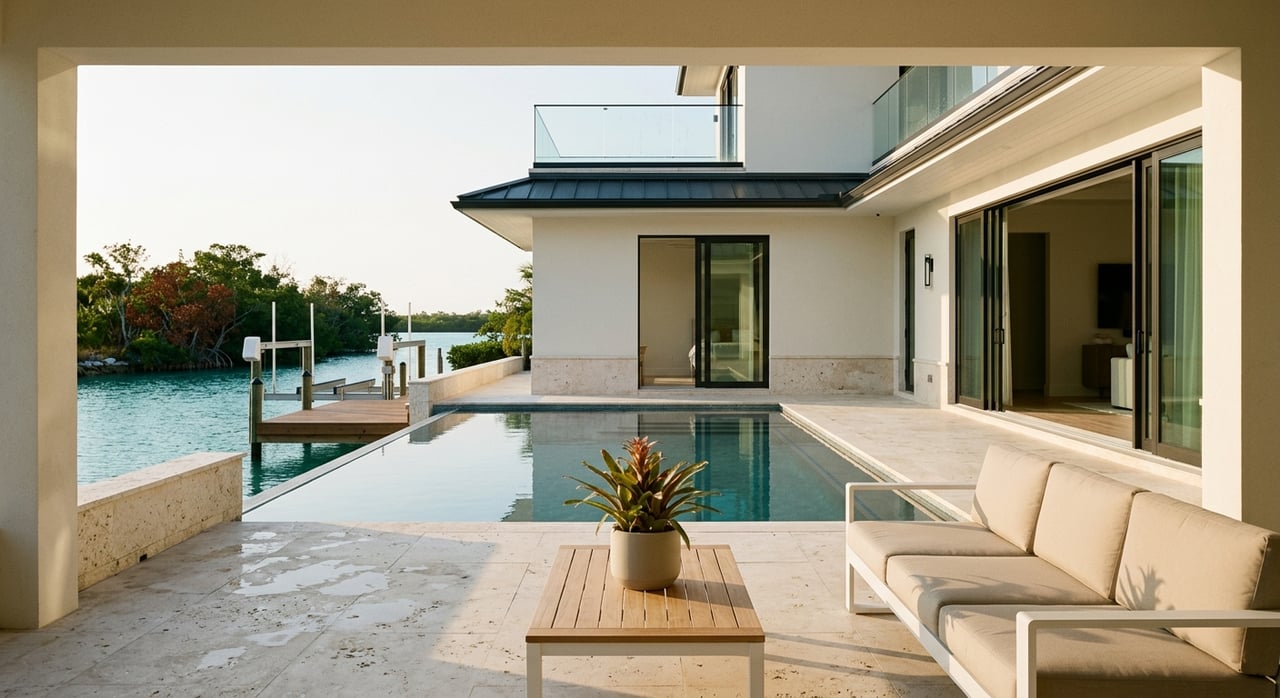
Looking for a waterfront home where you can keep your boat steps from your back door and reach the Gulf fast? If Bird Key is on your shortlist, you are in the right place. You want clear answers about bridges, depths, canal versus bayfront lots, and the rules that shape docks and seawalls. This guide gives you practical, Bird Key specific insight so you can buy with confidence and plan your boating life with fewer surprises. Let’s dive in.
Bird Key at a glance
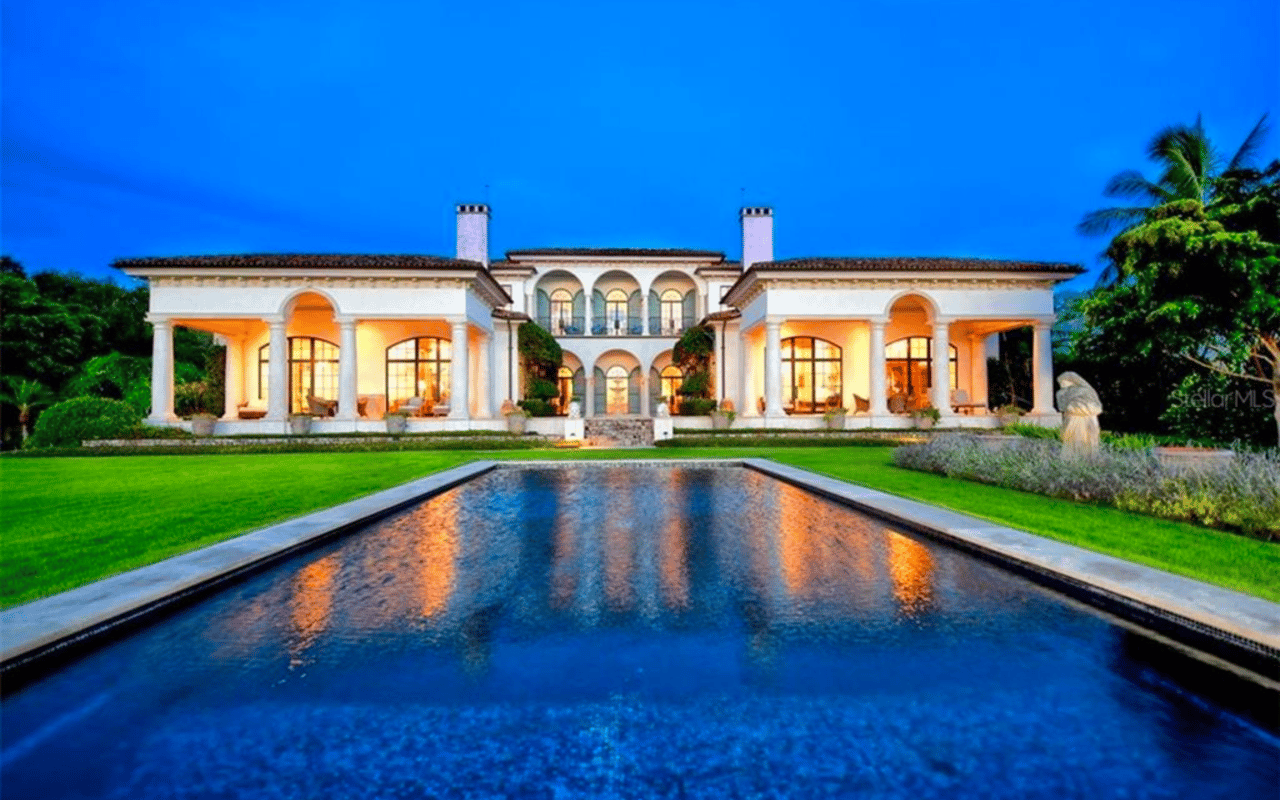
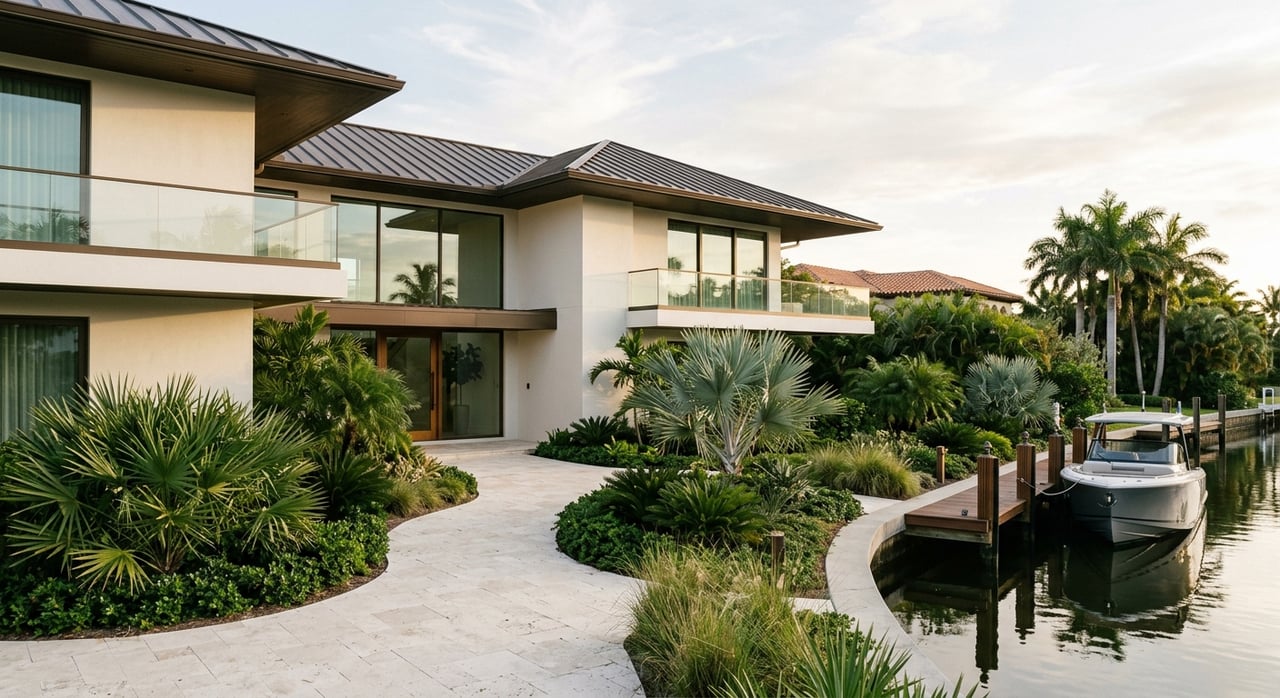
Bird Key is a compact, man-made island in Sarasota Bay, nestled between downtown Sarasota and St. Armands Circle. The neighborhood is known for its high share of waterfront and canal-front homes across roughly a few hundred acres and about 500 plus residences. Many properties were designed with boaters in mind, and the private Bird Key Yacht Club adds a marina-centered social hub for members and guests. Local descriptions often highlight deep-water canals and lifts sized for larger center consoles, cruisers, and in some cases yachts.
Boating access and Gulf routes
Ringling Causeway clearance
The John Ringling Causeway is the fixed bridge that connects Sarasota to Bird Key and St. Armands. It has a published closed vertical clearance of about 65 feet, which is a real advantage for many sailboats and tall masts because you do not need a drawbridge opening to move between Bird Key and Sarasota Bay. Always verify the clearance datum and account for tide before assuming a perfect fit for your vessel’s air-draft. You can reference the state route details on AARoads for SR 789 and the Ringling Causeway.
Picking your pass: New Pass and Big Sarasota Pass
From Bird Key, you typically run through Sarasota Bay to the Gulf via New Pass or Big Sarasota Pass. The New Pass bascule bridge has a commonly published closed vertical clearance near 23 feet and opens on a schedule or on signal. The inlet channel is narrow and subject to shifting shoals, with controlling depths that often vary by recent dredging and weather. These conditions make it workable for many powerboats and moderate-draft cruisers when soundings show adequate depth. Check the latest notes for the New Pass bridge and approach.
Big Sarasota Pass is wider in places and has been deeper at times, but the entrance can change quickly due to shoaling. Before you plan a run, call local marinas or harbormasters and review current Local Notices to Mariners. Learn about the pass’s shifting conditions on the Big Sarasota Pass inlet summary.
How long to the Gulf?
Many descriptions quote a short hop to the Gulf at cruise speed from Bird Key, sometimes under 10 minutes. Your actual run time depends on where your dock sits on the island, your boat speed, tide, traffic, and whether a bridge opening is needed. Always verify current channel conditions before heading out.
Canal vs bayfront living
Canal-front pros and tradeoffs
Canal lots give you sheltered docking with typically lower wake and easier daily operations for side ties and lifts. Bird Key’s dredged canals are often described as deep-water, and many will accommodate larger cruisers, but depth and turning room vary lot by lot. Confirm depth to the channel mouth with a recent sounding. Canal living trades broad views for protection and can offer strong day-to-day practicality for frequent boat use.
Open bayfront pros and tradeoffs
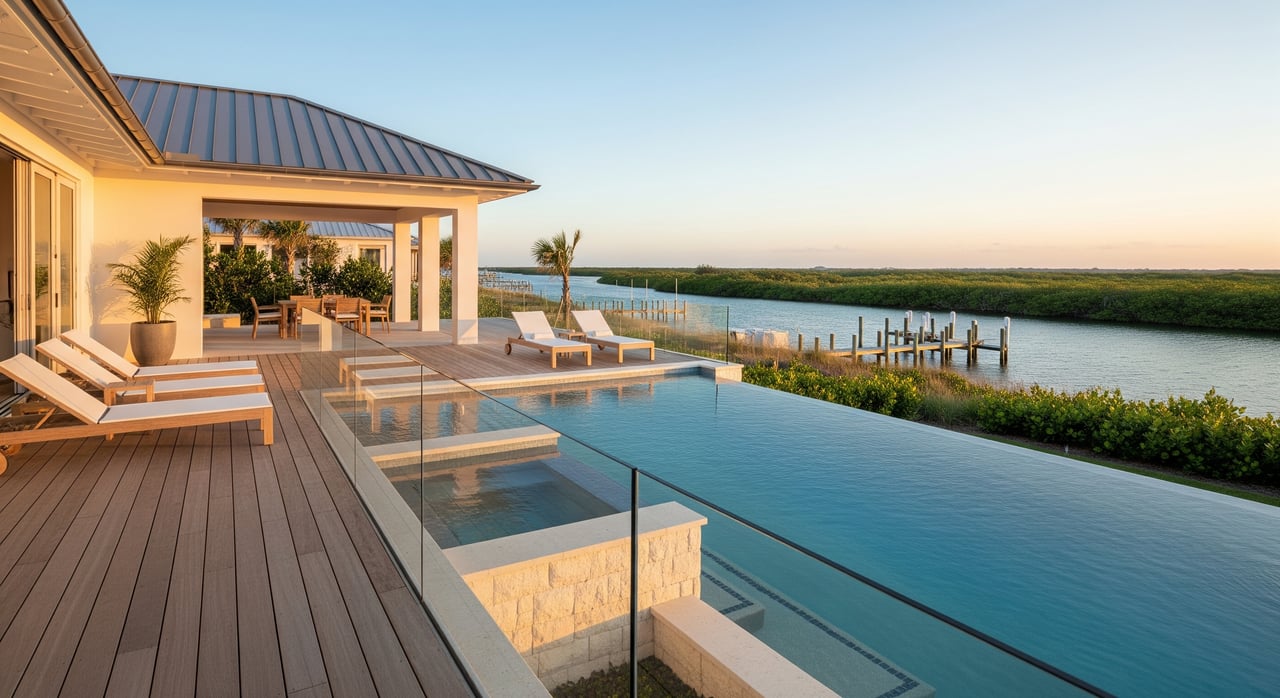
Bayfront estates deliver wide Sarasota Bay views and direct open-water frontage, and they often command the highest prices on Bird Key. The exposure brings more wind, wave, and wake, so dock design and seawall condition are important. Expect more robust construction and a closer look at maintenance history when you evaluate a bayfront property.
Docks, lifts, and seawalls: what to know
Typical configurations
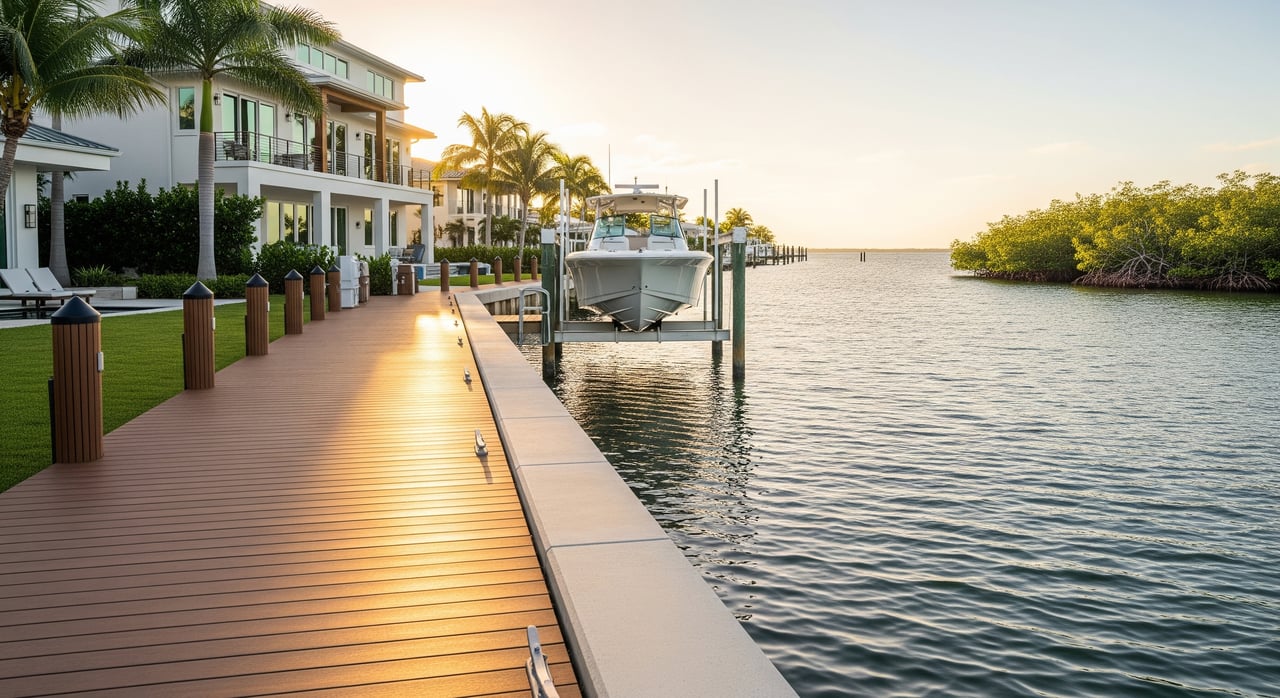
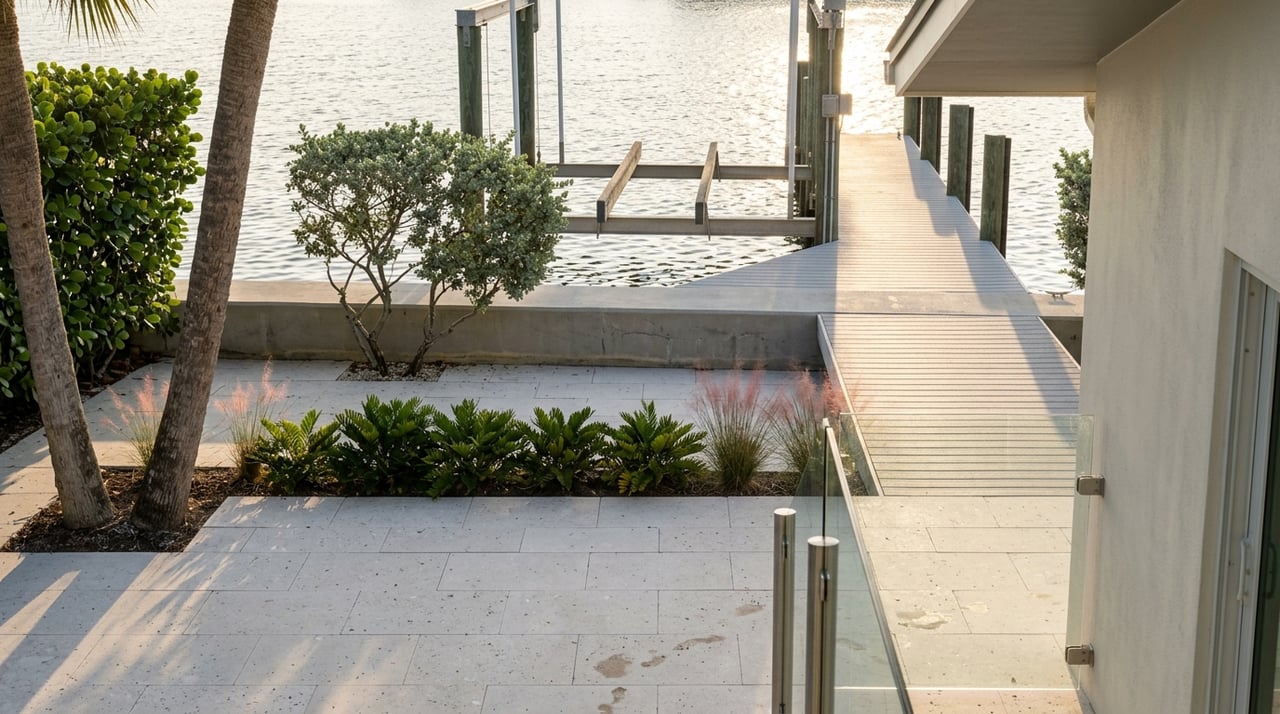
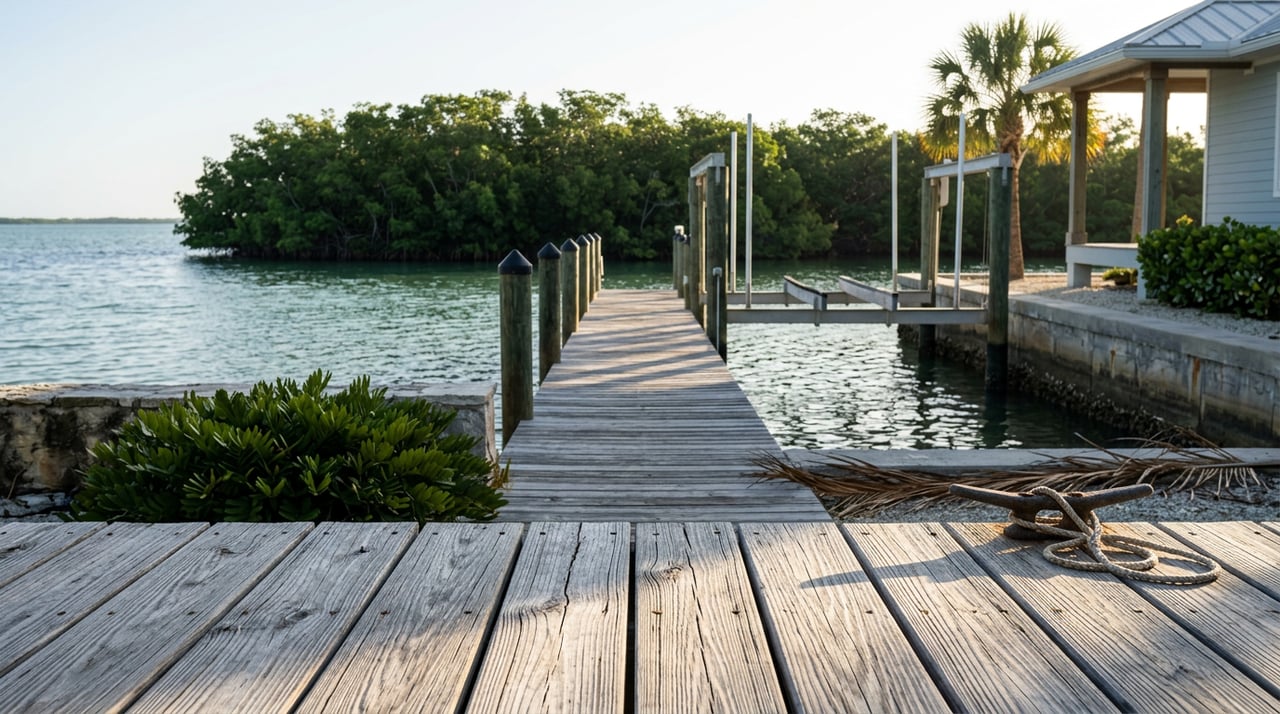
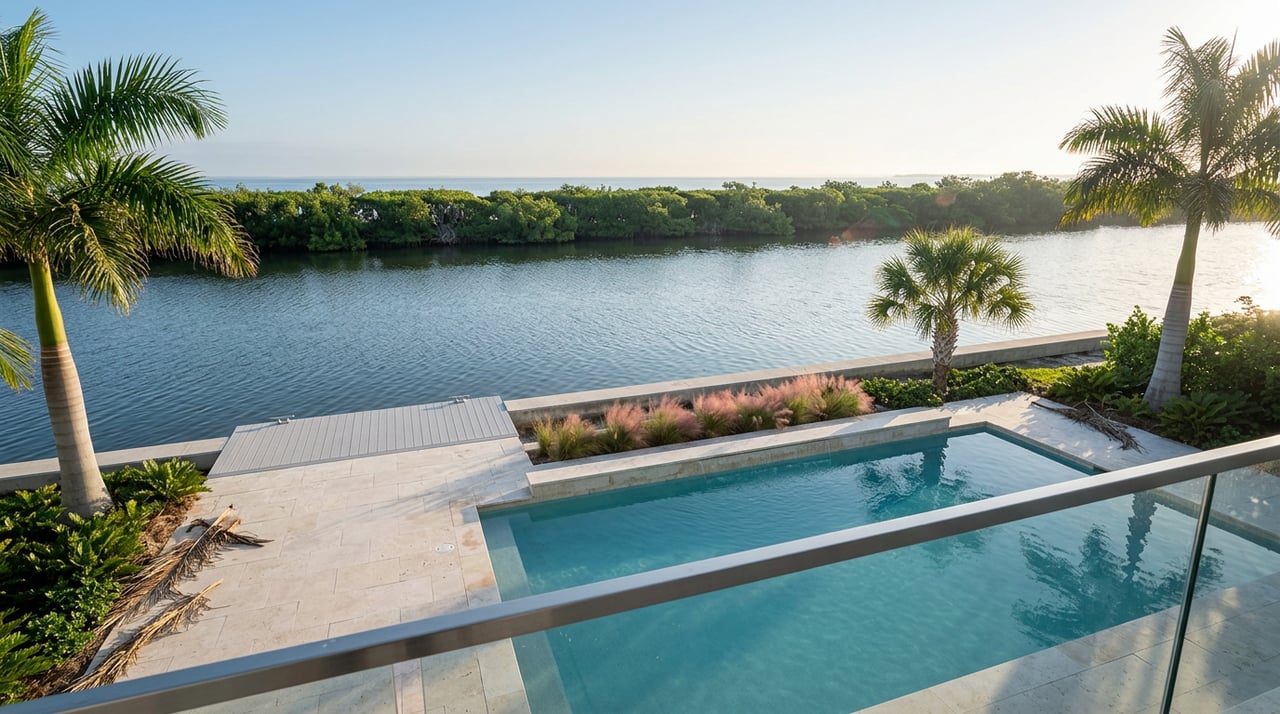
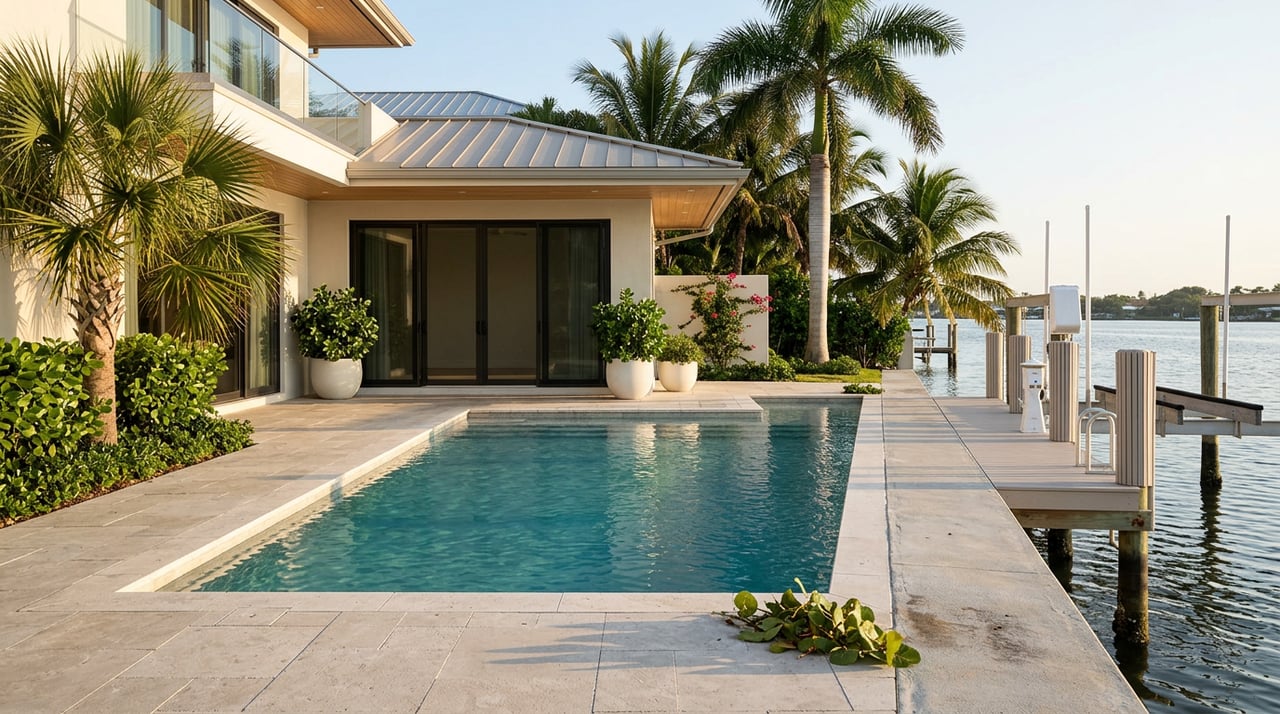
Most Bird Key docks use pilings with fixed or floating decks, plus lifts or davits sized to the vessel. Many properties feature long concrete seawalls and private lifts that suit center consoles, express cruisers, and in some cases yachts. Exact dimensions depend on canal width, riparian rights, and permits. Ask for as-built dock plans during due diligence.
Permits and size limits in Sarasota County
Sarasota County’s Water & Navigation Control Authority (WNCA) regulates docks, dredging, and shoreline work. Single-family docks and limited maintenance can fall under minor work permits, while projects that create or expand to five or more slips generally require a major work permit with deeper review. Always pull the county permit history for the exact property. See the WNCA standards in County Code Section 54-653.
Covered slips and terminal platforms have measurable limits that affect what you can build. For example, covered boat slips are commonly limited to less than 15 feet in height above mean high water and less than 250 square feet including any terminal platform. These caps guide whether a roofed boathouse or larger covered structure is feasible. Review the accessory use standards in Appendix A, Article 5, Section 5.4.
Maintenance dredging and environmental overlays
Minor permits can allow limited maintenance excavation of existing access channels within defined widths and depths. This is often essential for owners who rely on a maintained route to the bay. For project specifics and permit history, start with County Code Section 54-653 and the property’s WNCA file.
Environmental protections also shape dock design and expansion. Sarasota County maps seagrass and manages manatee protections, and multi-slip facilities face additional review under the Manatee Protection Plan. Single-family docks can be exempt from some provisions, but siting still considers habitat. Learn more about local seagrass and protection programs at the county’s Seagrass and Watersheds page.
Seawalls: upkeep and cost context
Seawalls must be permitted and kept in good repair. The county enforces maintenance requirements and environmental best practices for shoreline stability and erosion control. You can review the maintenance framework in County Code Section 54-661.
Replacement and repair costs vary widely with material, engineering, water depth, barge access, and site conditions. Many marine contractors publish broad ranges to illustrate the spread. Treat any number as property specific and get local inspections and estimates. For a general cost overview, see this contractor’s guide to seawall cost drivers.
Smart buyer due diligence for boaters
Before you rely on boating claims in any listing, verify the details. Use this checklist:
- Current depth soundings at mean low water from the dock to the channel mouth. If the route depends on a maintained channel, request recent dredging records or permits.
- Dock and seawall permits and as-built plans, including any after-the-fact approvals. Start with the county’s WNCA rules in Section 54-653.
- Boat fit: match your vessel’s draft and air-draft to verified depths and bridge clearances. The Ringling Causeway’s fixed clearance is about 65 feet. See AARoads for SR 789.
- Wake exposure: observe the site during busy weekends and calm weekdays. Bayfront lots tend to see more wake and wind than canals.
- Environmental overlays: check whether the property lies in a mapped seagrass or manatee protection area that could limit future dock expansion. Review the county’s seagrass resources.
- Flood and insurance: get an Elevation Certificate and run quotes with your insurer. Flood zones and base flood elevations affect financing and carrying costs.
- HOA, deed restrictions, and club rules: confirm any docking rules, guest policies, and possible waitlists for the Bird Key Yacht Club if membership access is part of your plan.
- Seawall condition: request the latest seawall inspection and any repair or replacement permits. Budget for near and long term maintenance.
- Marina alternatives: if your vessel exceeds the property’s practical limits, confirm nearby slip availability and policies at the yacht club or regional marinas.
- Channel updates: review NOAA charts, the USCG Local Notice to Mariners, and call local harbormasters for current shoaling and buoy positions in New Pass and Big Pass.
How boating features affect value and resale
- No-bridge, deep-water style access and the ability to berth a larger vessel at your own dock are premium features. The 65-foot fixed clearance at the Ringling Causeway is often a selling point when comparing Bird Key to islands that rely on lower drawbridges, but buyers focus most on reliable depth from dock to pass. Reference the clearance on AARoads.
- Bayfront lots trade at the highest levels due to view and frontage. They also bring higher exposure and potential maintenance for docks, seawalls, and insurance. Premium canal lots with long docks and heavy-duty lifts can command luxury prices while providing more protected daily boating.
- Strong documentation helps resale: recent depth soundings to MLW, a clean permit file for docks and seawalls, and evidence of compliance with county rules improve marketability. Properties with uncertain permits or restrictive environmental overlays can be harder to resell to active boaters.
Bird Key vs nearby options
- Bird Key: central to downtown Sarasota and St. Armands with many deep-water canal and bayfront properties, plus the private Bird Key Yacht Club. The high fixed Ringling span benefits many tall-mast vessels.
- Lido Key and Lido Shores: closer to New Pass. The New Pass bascule bridge has a commonly published closed clearance near 23 feet and the inlet can shoal and shift. See details for the New Pass bridge. Lifestyle emphasizes beach and resort access as well as boating.
- Longboat Key: longer island with routing that often involves bascule bridges and lower clearances. Longboat Pass’s closed clearance is commonly cited in the mid to high teens, which can limit tall air-draft boats. Plan routes carefully if you run a mast.
Your next step
If you want swift Gulf access, protected daily docking, and a premium Sarasota address, Bird Key delivers. The right property match comes down to your vessel’s draft and air-draft, how you like to cruise, and what you value most in views versus protection. We can help you identify lots with the depth, lift capacity, and permitting profile that fit your boating life.
Ready to zero in on the best Bird Key options for your boat and lifestyle? Connect with The Ackerman Group for local guidance and a tailored search.
FAQs
What bridge clearances affect Bird Key boaters?
- The John Ringling Causeway has a published closed clearance about 65 feet, while New Pass’s bascule bridge is commonly near 23 feet closed. Always verify datum and tide before passage.
How does Bird Key access the Gulf of Mexico?
- You run through Sarasota Bay to either New Pass or Big Sarasota Pass. Both are subject to shoaling, so check recent Local Notices to Mariners and call local harbormasters before transiting.
Are Bird Key canals deep enough for larger boats?
- Many canals are described as deep-water and can handle larger cruisers, but depth and turning room vary by lot. Get recent soundings to mean low water from the dock to the channel.
What permits apply to docks and lifts in Sarasota County?
- Single-family docks often fall under minor work permits, but five or more slips generally require a major work permit. Covered slips have height and area limits set by county code.
What should I check on a seawall before buying?
- Request the latest inspection, confirm permit history, and budget for maintenance or replacement. The county enforces seawall upkeep and shoreline protection standards.
Do environmental rules affect future dock expansion?
- Yes. Seagrass mapping and manatee protections can shape siting and expansion, with more review for multi-slip facilities. Single-family docks may have different requirements.