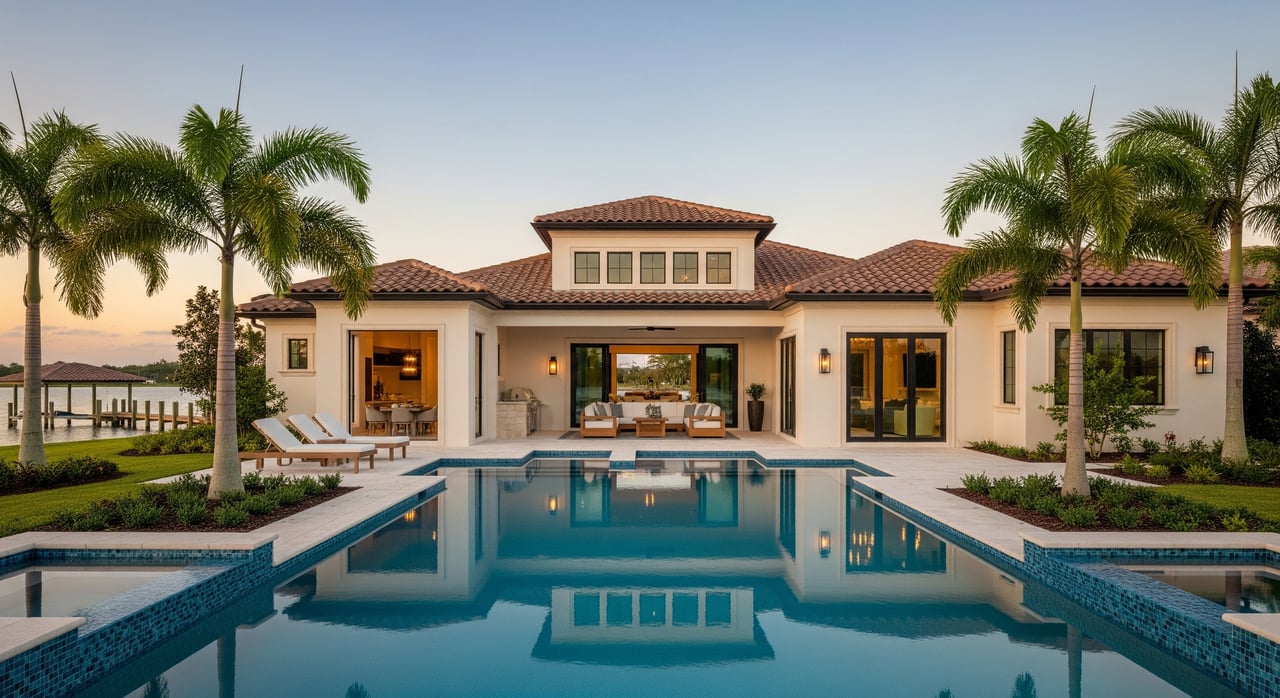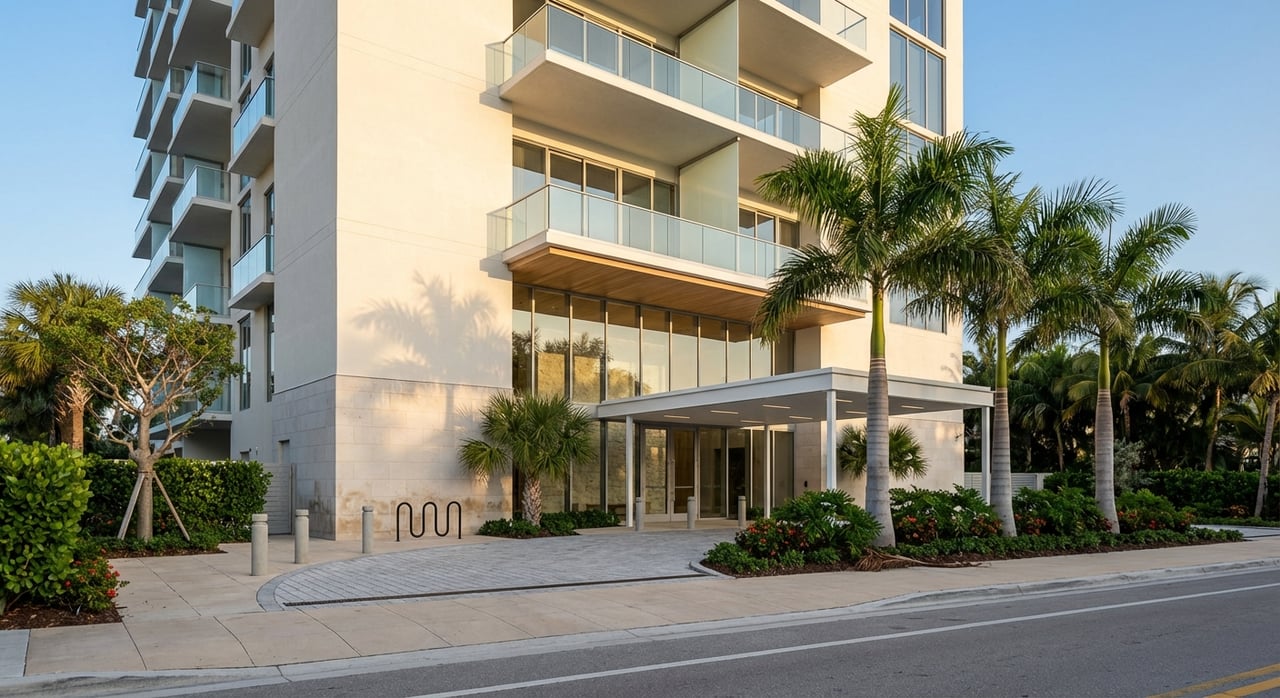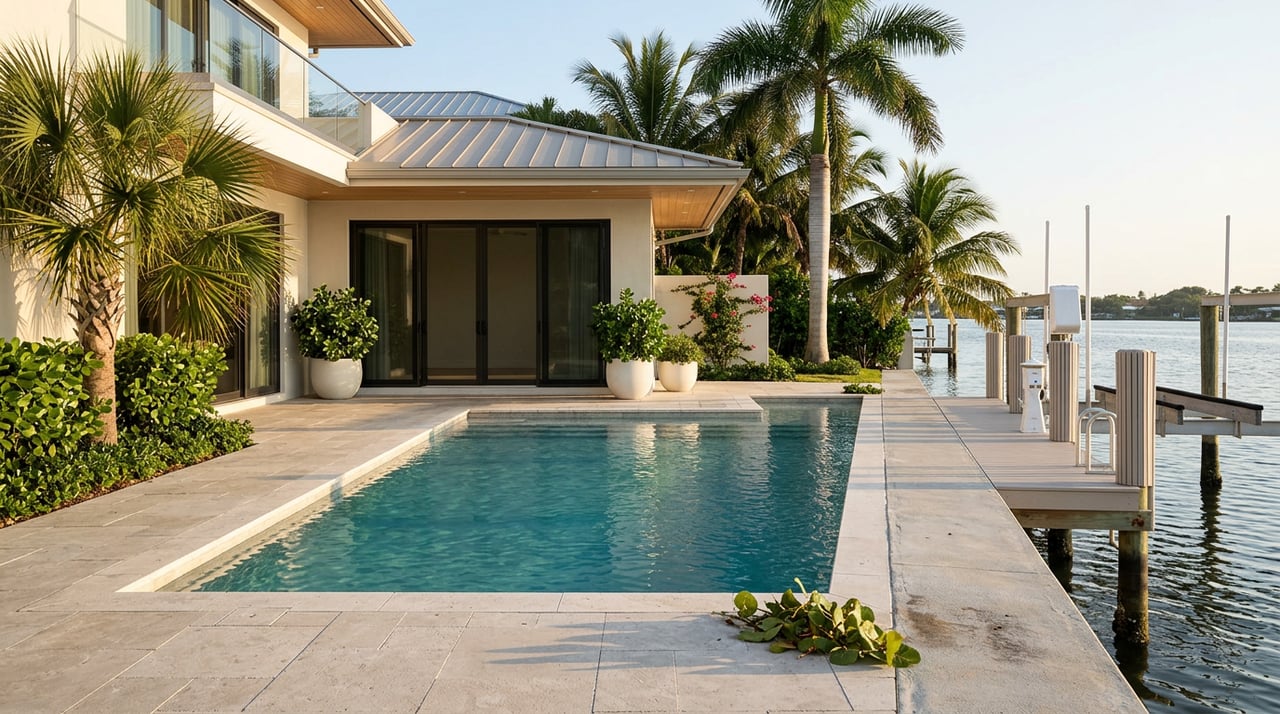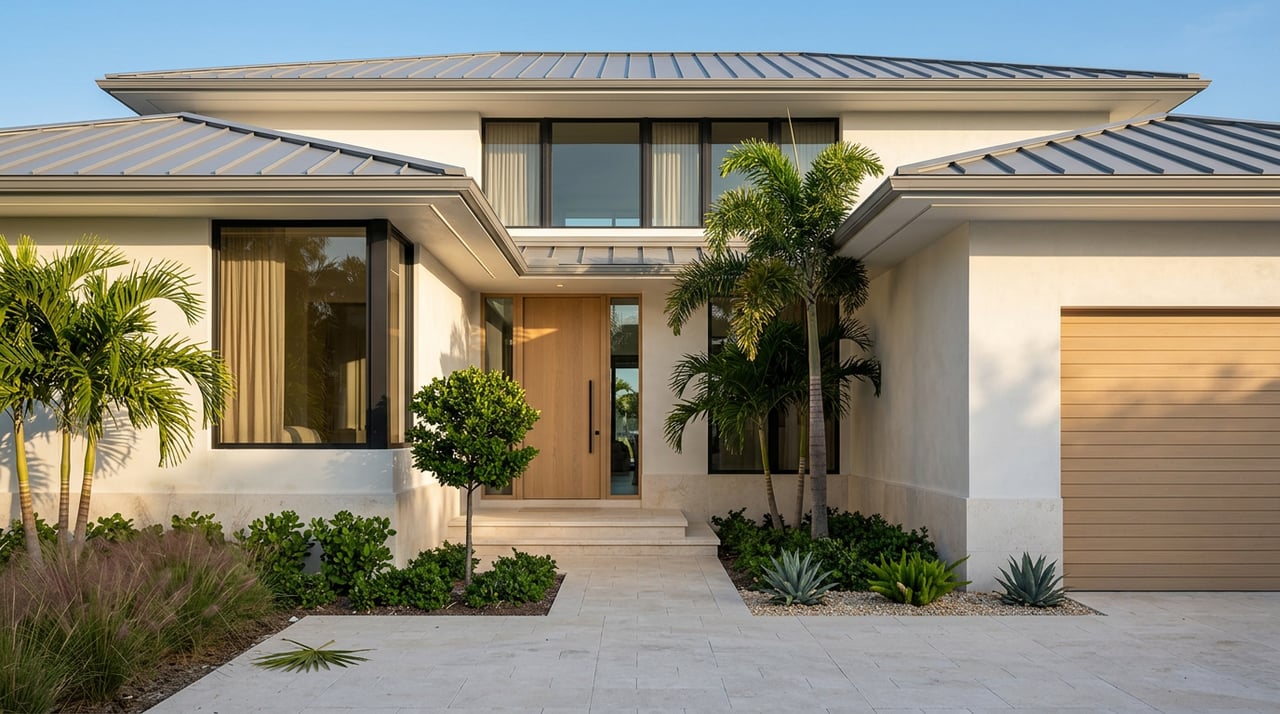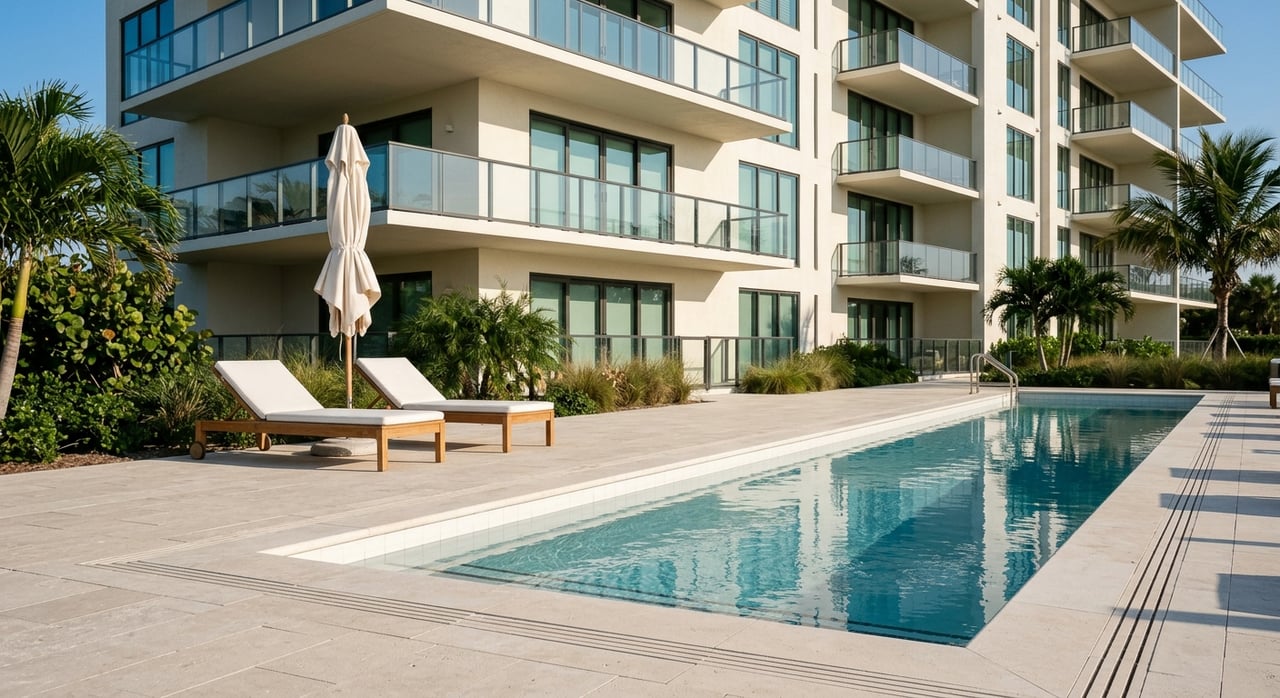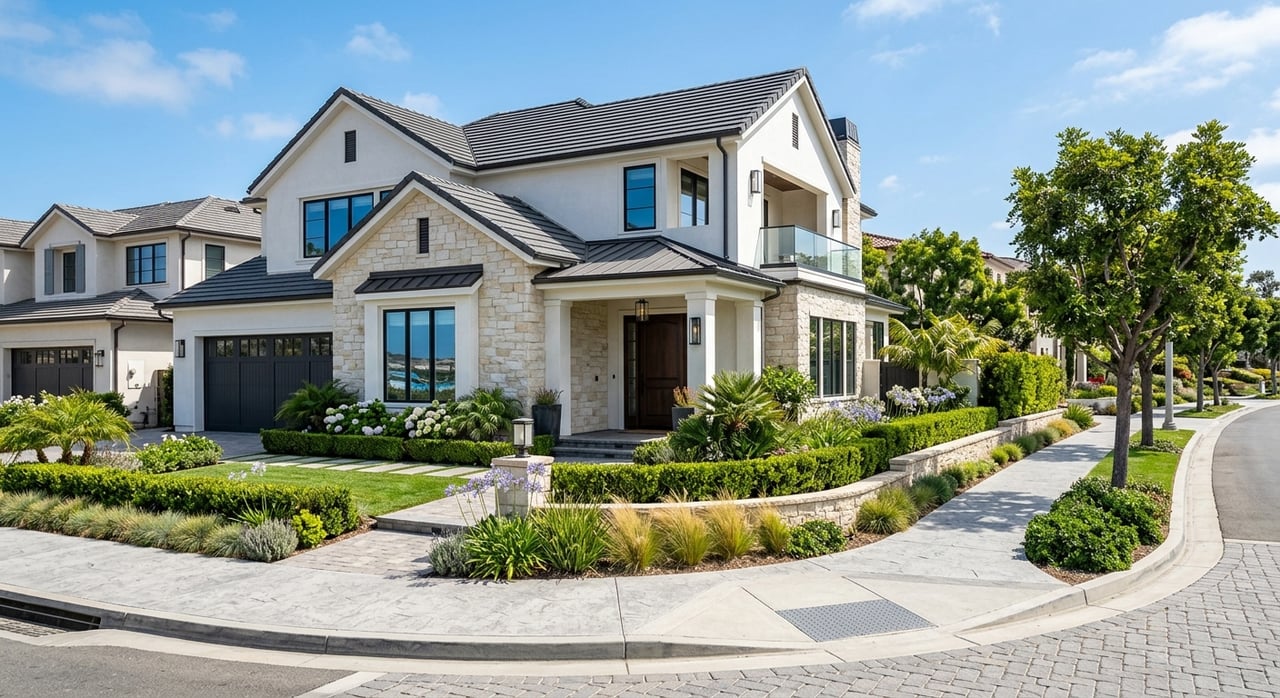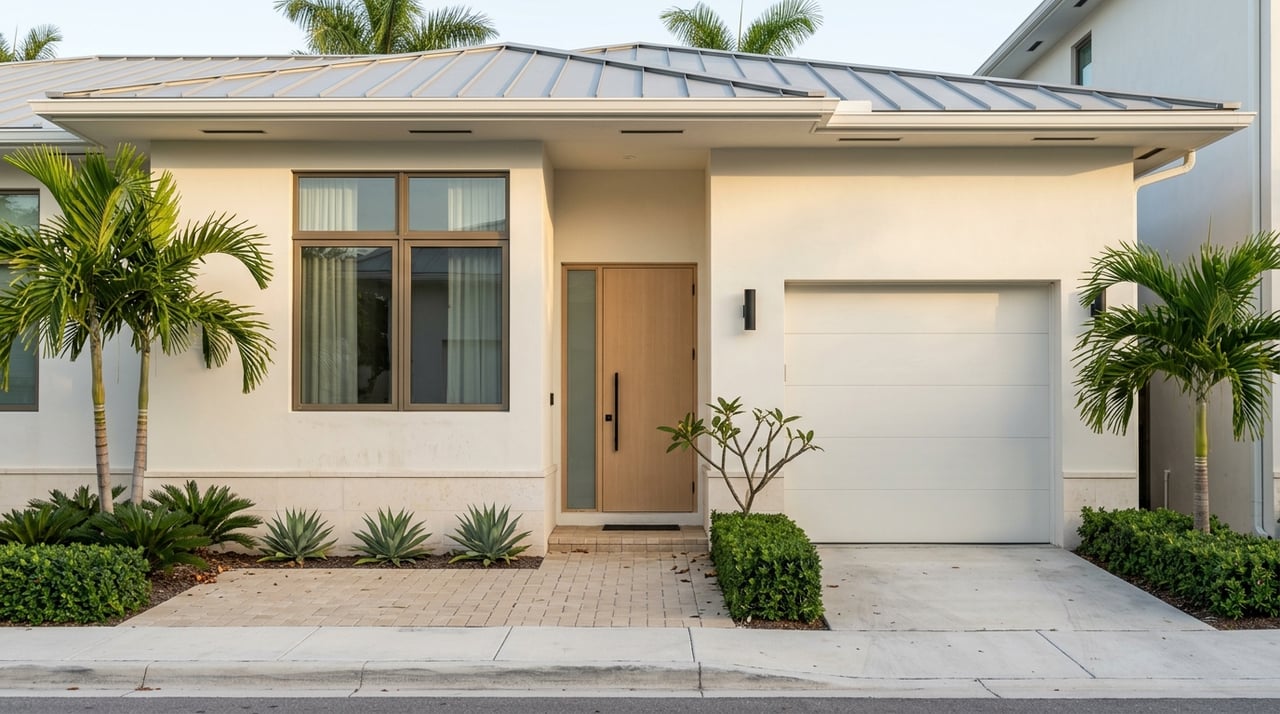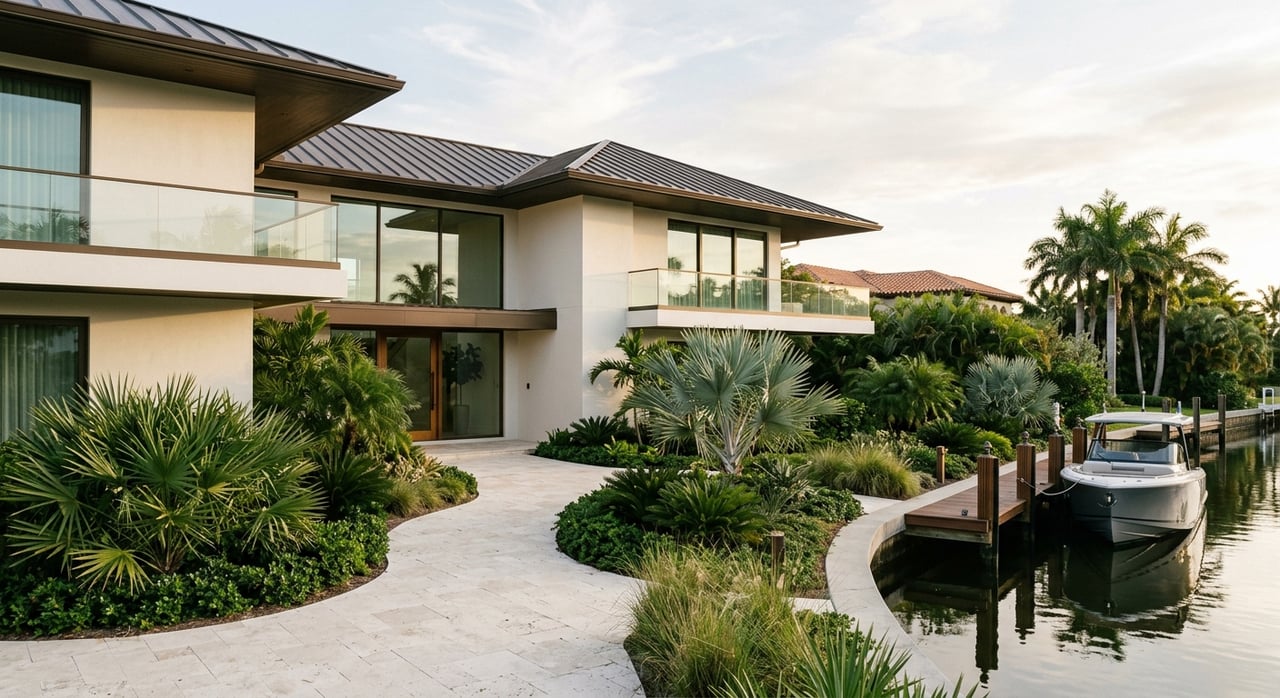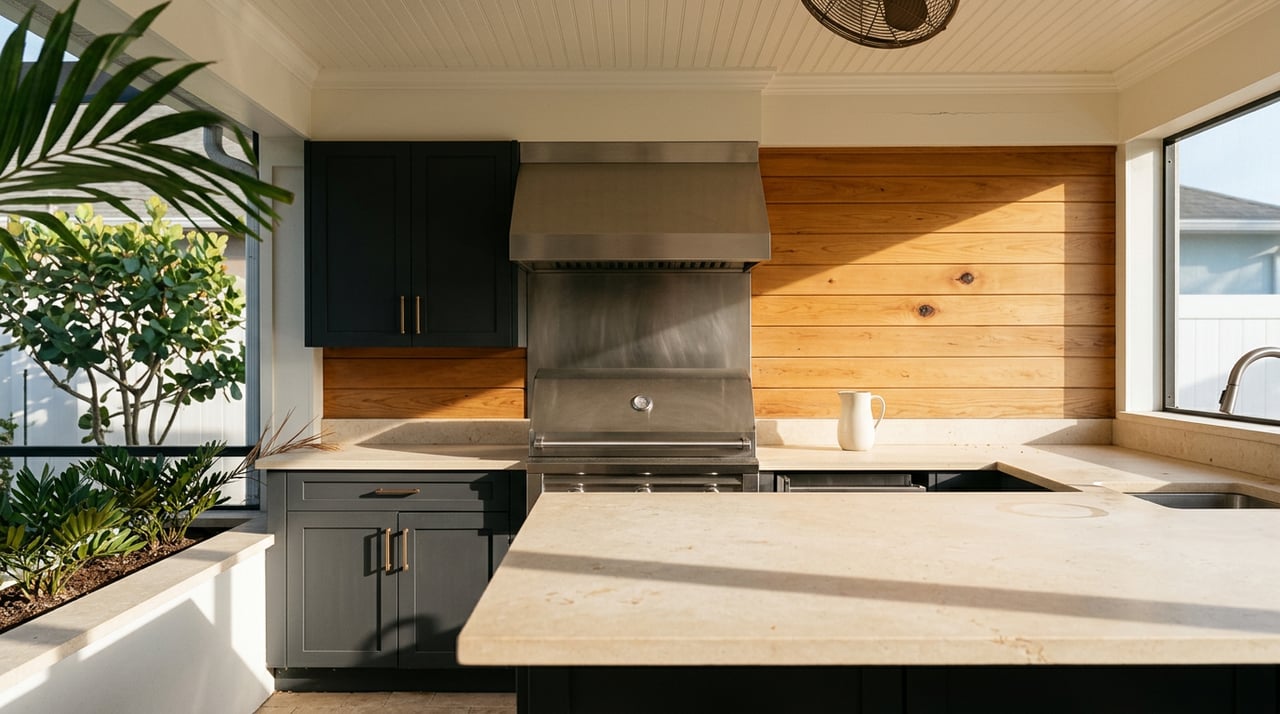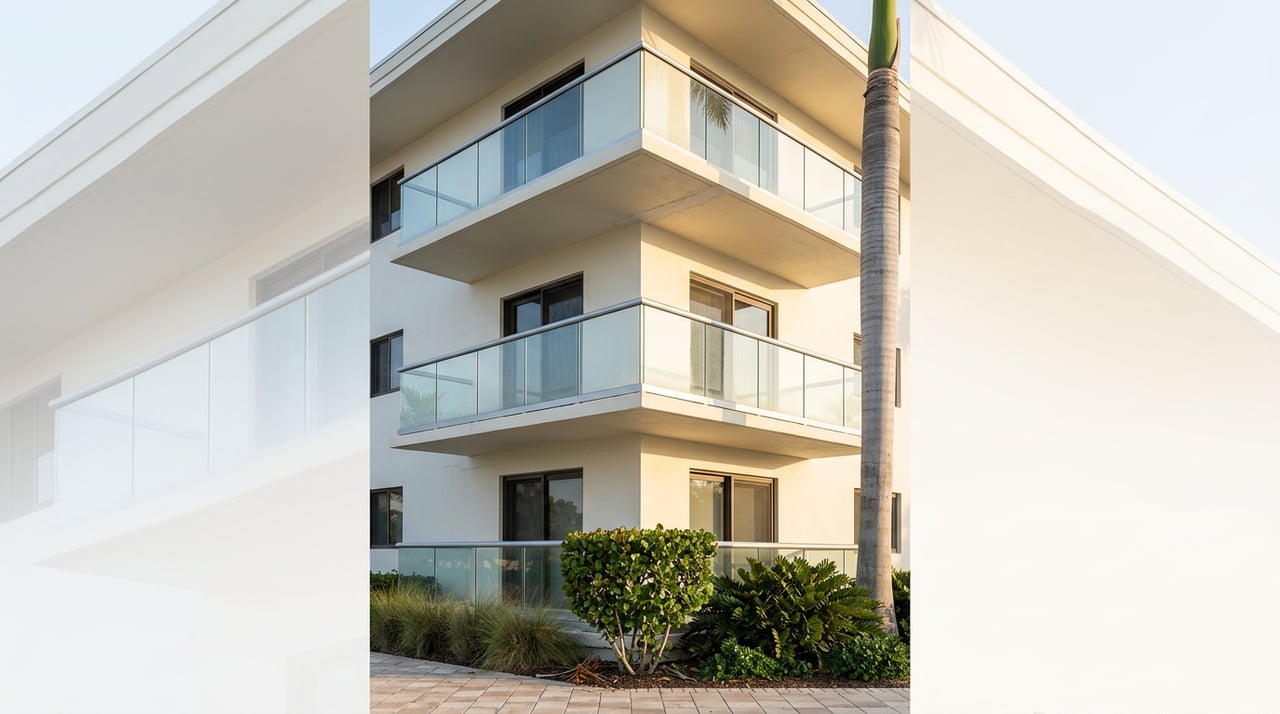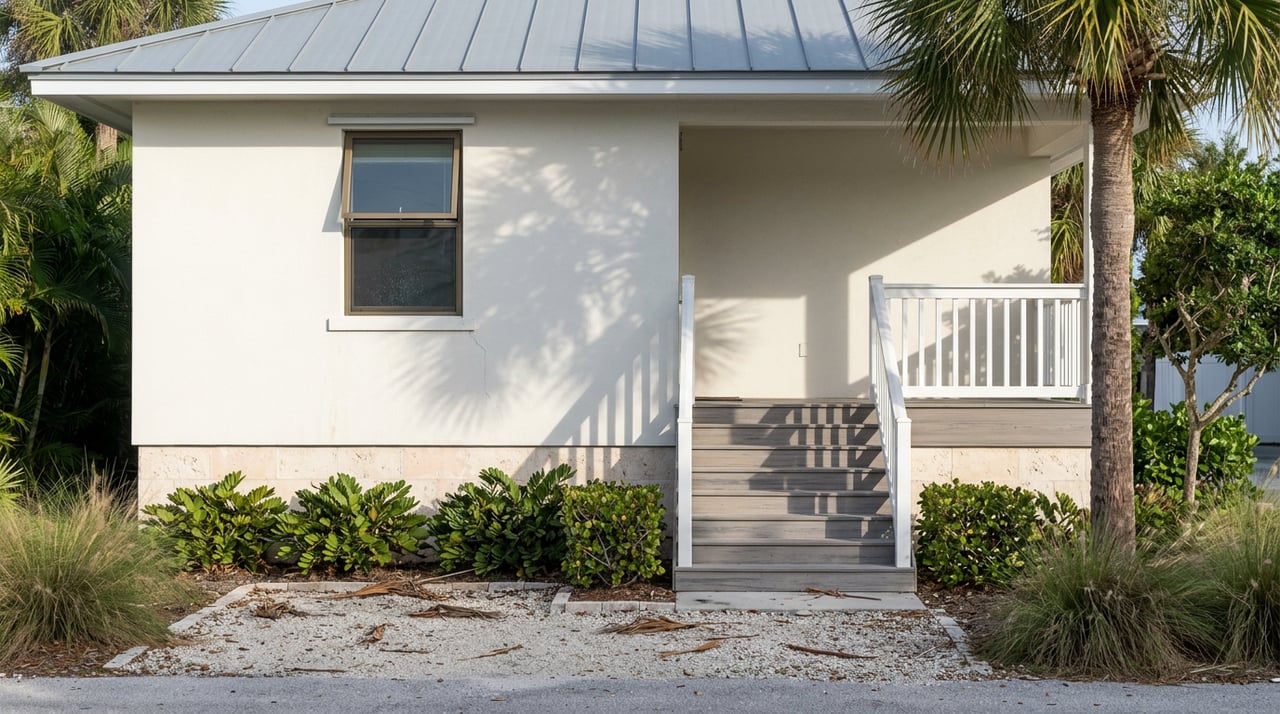
Trying to choose between a condo or a single-family home on Longboat Key? You are not alone. As a barrier island with limited land and a strong seasonal rhythm, the Key offers two very different paths to the same sun-soaked lifestyle. In this guide, you will weigh lifestyle fit, maintenance, dock access, rental flexibility, insurance, and long-term value so you can move forward with clarity. Let’s dive in.
Longboat Key snapshot
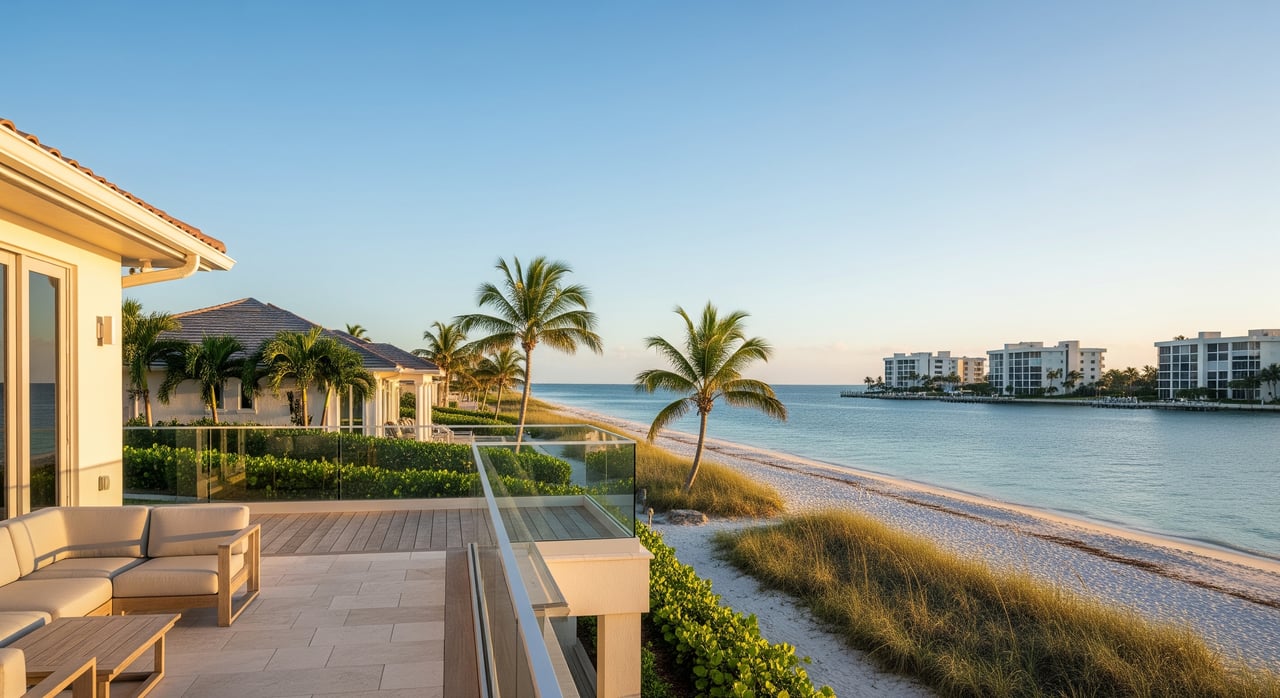
Longboat Key sits between the Gulf of Mexico and the Intracoastal Waterway and is split between Manatee and Sarasota counties. Seasonal demand is strong, especially in winter, and space is at a premium. Second-home buyers, retirees, and investors each gravitate to different property types based on lifestyle and upkeep. Your choice often comes down to convenience versus control.
Quick comparison: condo vs house
- Maintenance: Condo: low hands-on time, HOA handles common areas. Single-family: you manage all exterior items, from roof to seawall.
- Privacy: Condo: shared walls and common spaces. Single-family: more privacy, yard, and outdoor living.
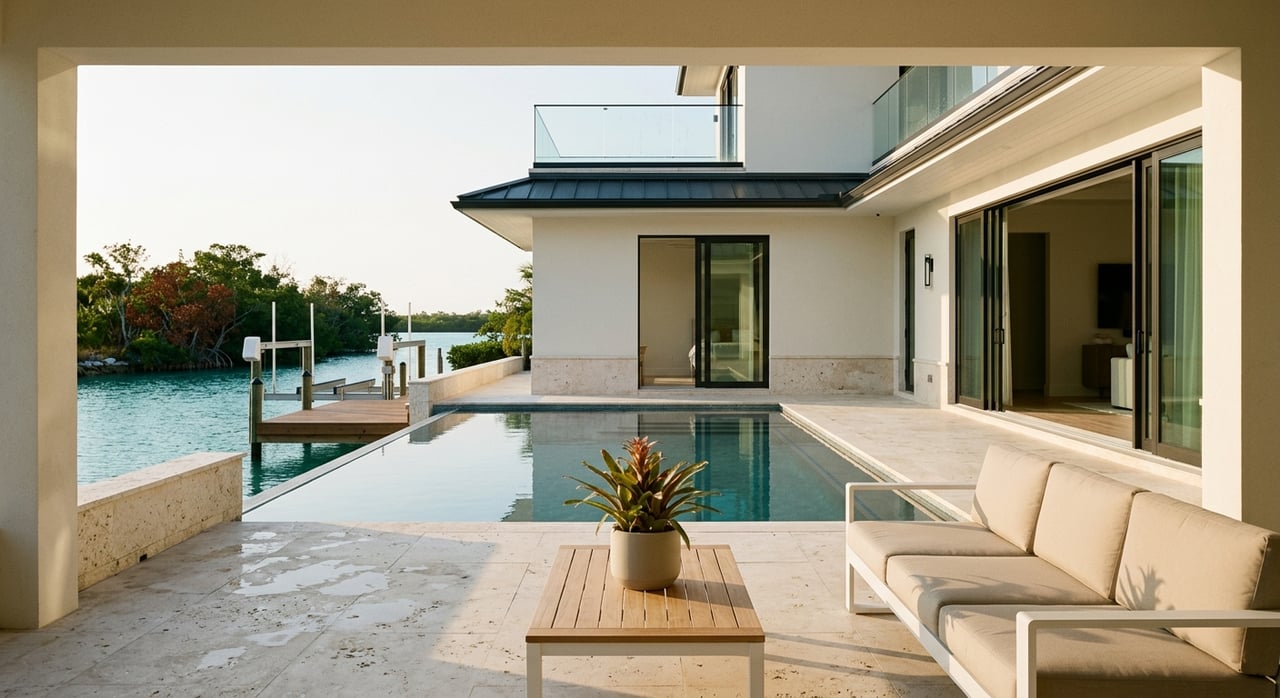
- Dockage: Condo: slips may be limited and subject to fees or waitlists. Single-family: potential for a private dock and direct water access.
- Rental flexibility: Condo: HOA and town rules set minimum stays. Single-family: often more control, still subject to local and HOA rules.
- Ongoing costs: Condo: HOA fees plus interior insurance. Single-family: variable maintenance, insurance, landscaping, and utilities.
- Resale: Condo: attracts seasonal buyers and investors. Single-family: appeals to buyers seeking privacy and waterfront control.
Maintenance and effort
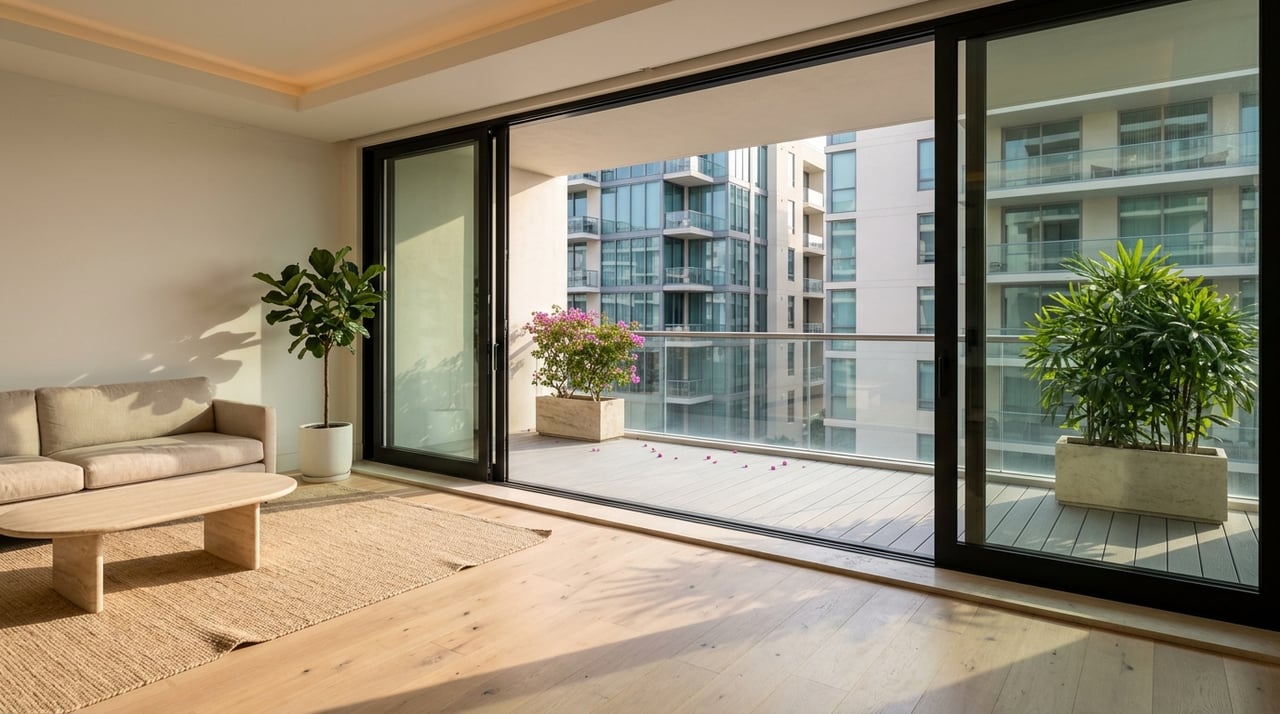
Condo living
With a condo, the association typically maintains the building exterior, landscaping, roof (as a common element), pool, elevators, and shared amenities. This is ideal if you want to arrive, enjoy, and lock up without arranging vendors. The tradeoff is dependence on association management quality and the possibility of special assessments if reserves are low. Review the latest reserve study, any recent or planned assessments, and storm repair history.
Single-family home
A single-family property gives you full control over repairs and upgrades, from timing to specifications. You are also responsible for the roof, seawall, dock, exterior paint, pool, HVAC, and landscaping. Costs can be variable, especially after storms. Evaluate age and condition of key systems and request maintenance records where available.
Amenities and privacy
Condo perks
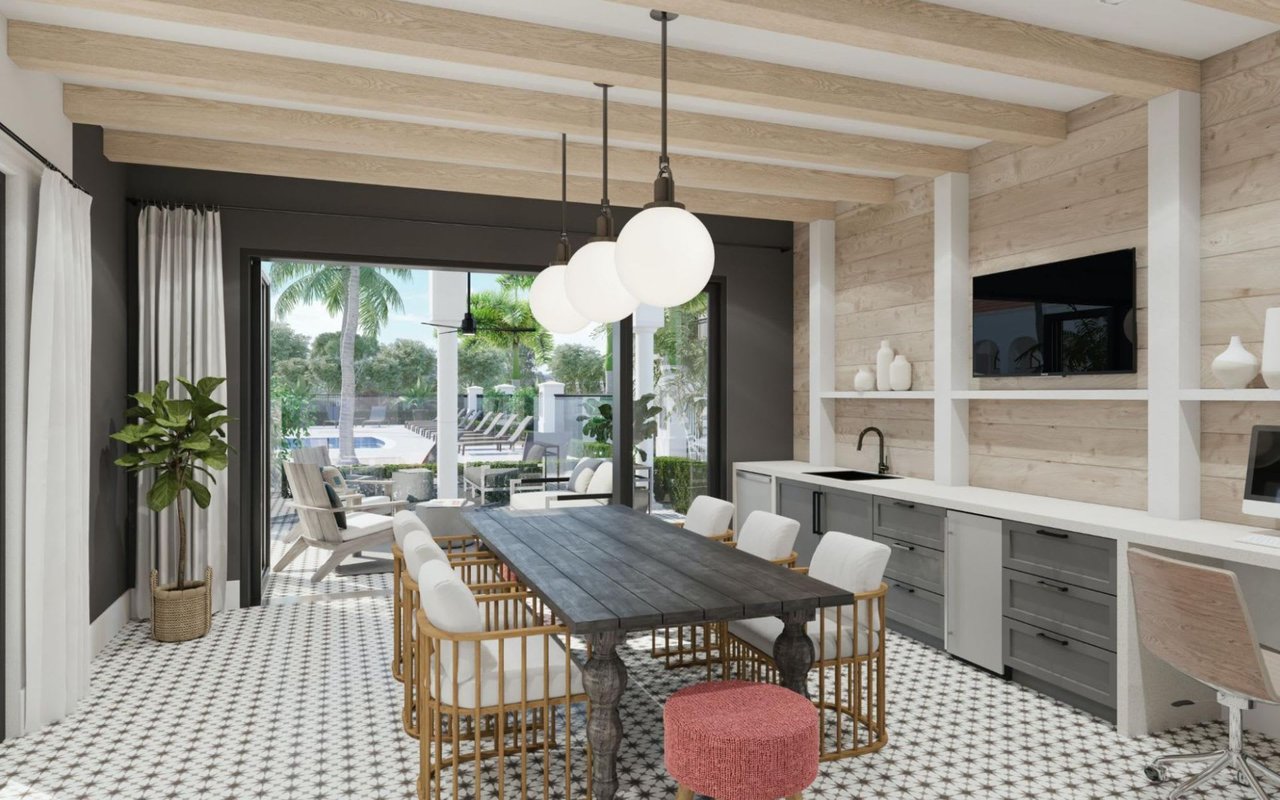
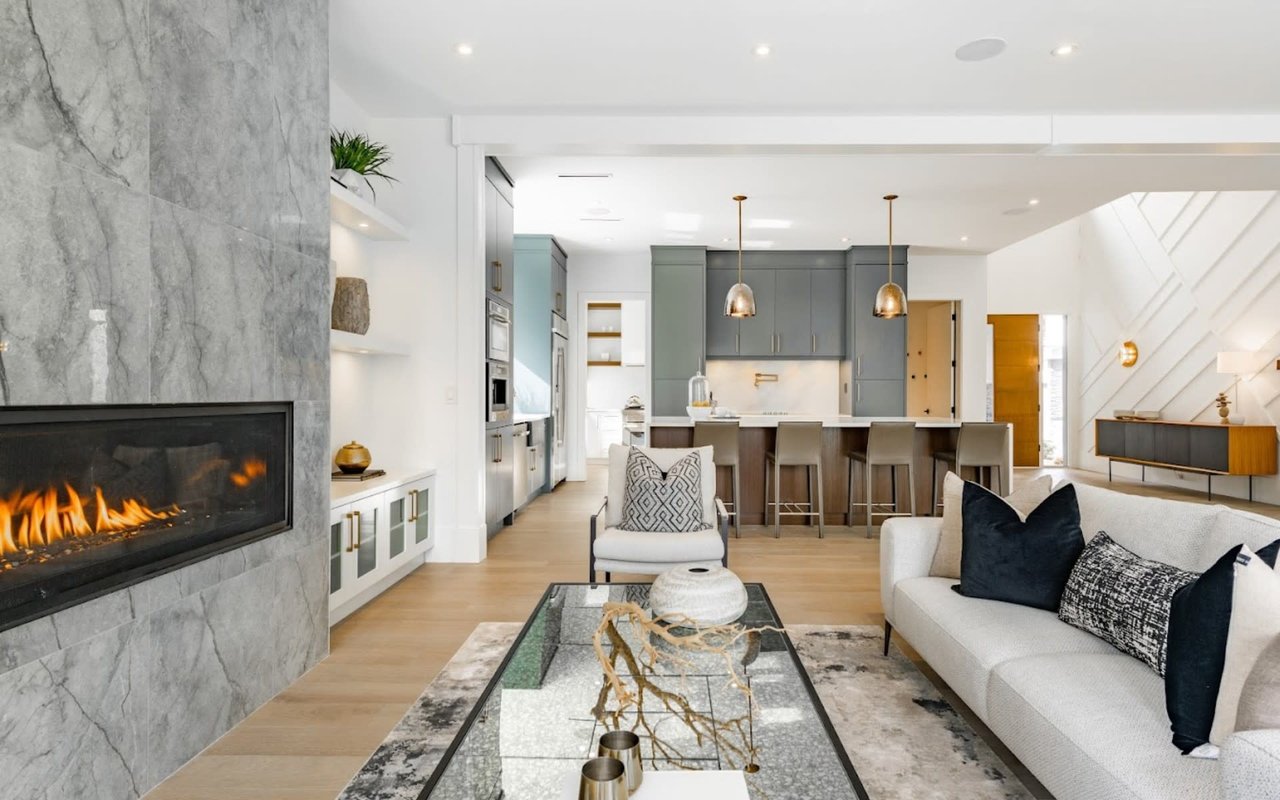
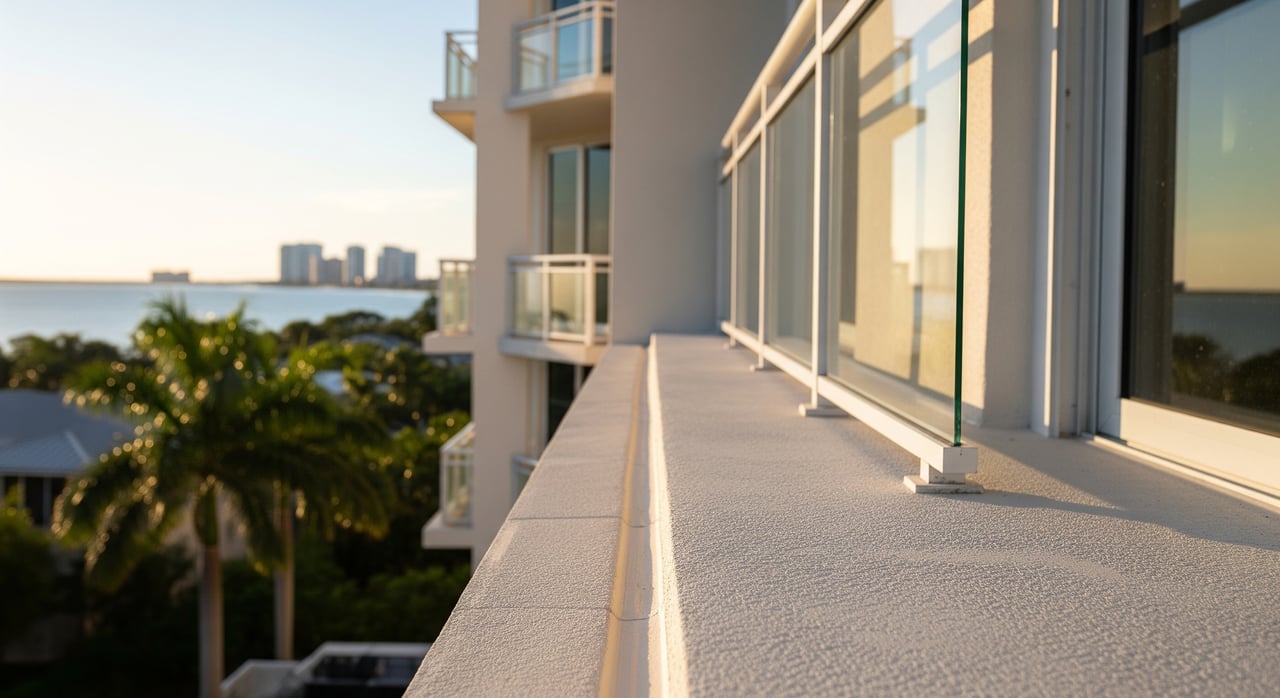
Many island condos offer pools, fitness centers, covered parking, on-site management, and security. You will have neighbors nearby, which some owners value for social connection and convenience. Confirm elevator condition, service schedules, and recent building updates if you prefer upper floors.
Single-family lifestyle
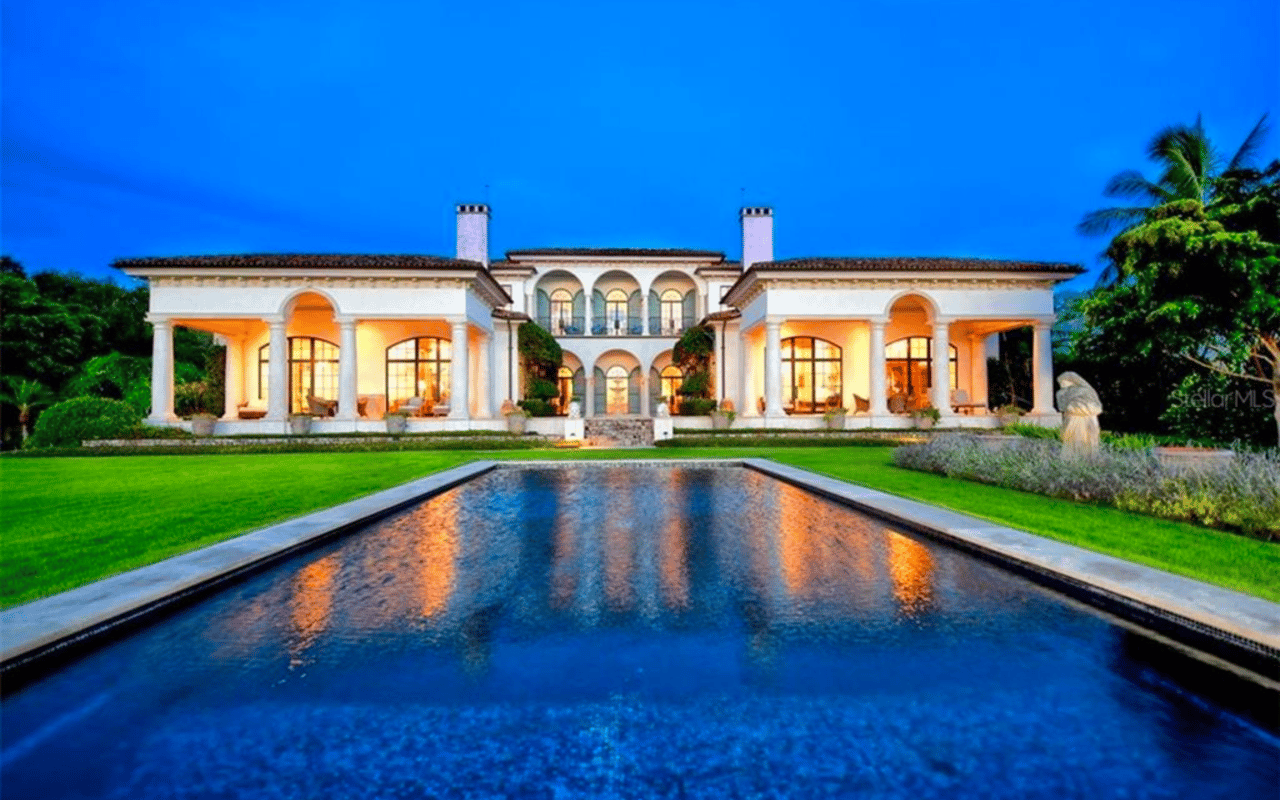
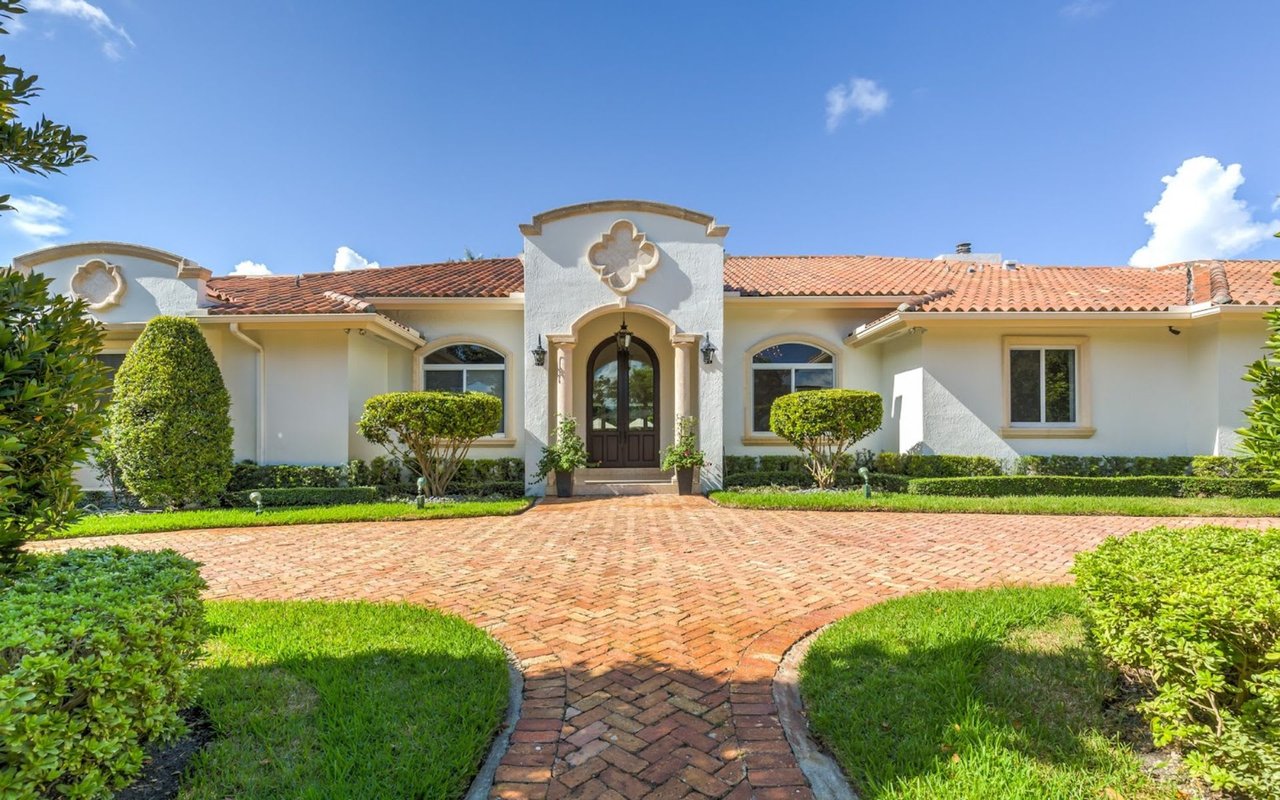
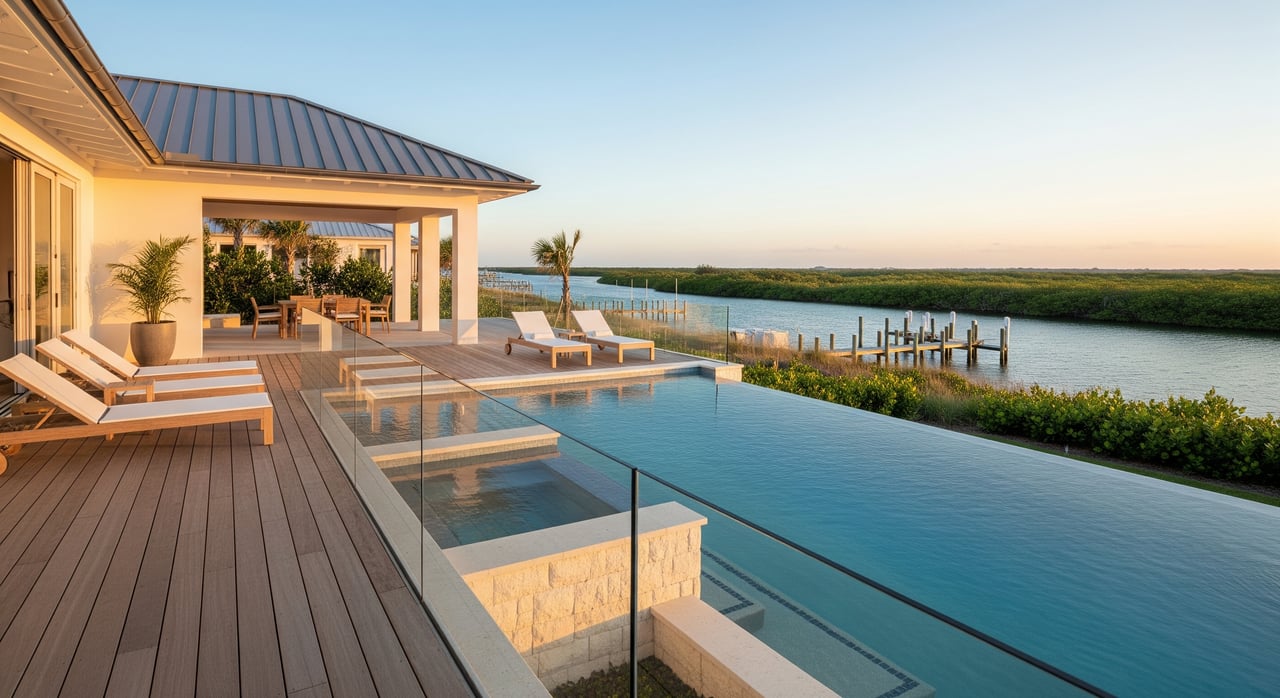
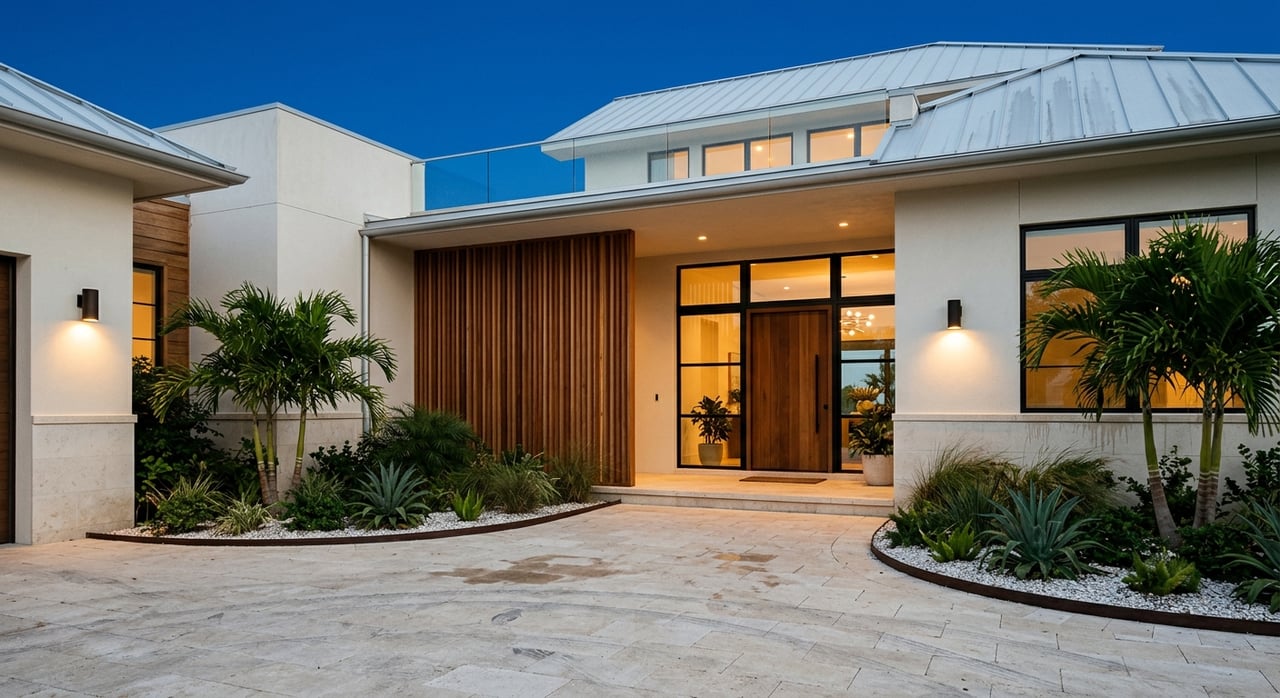
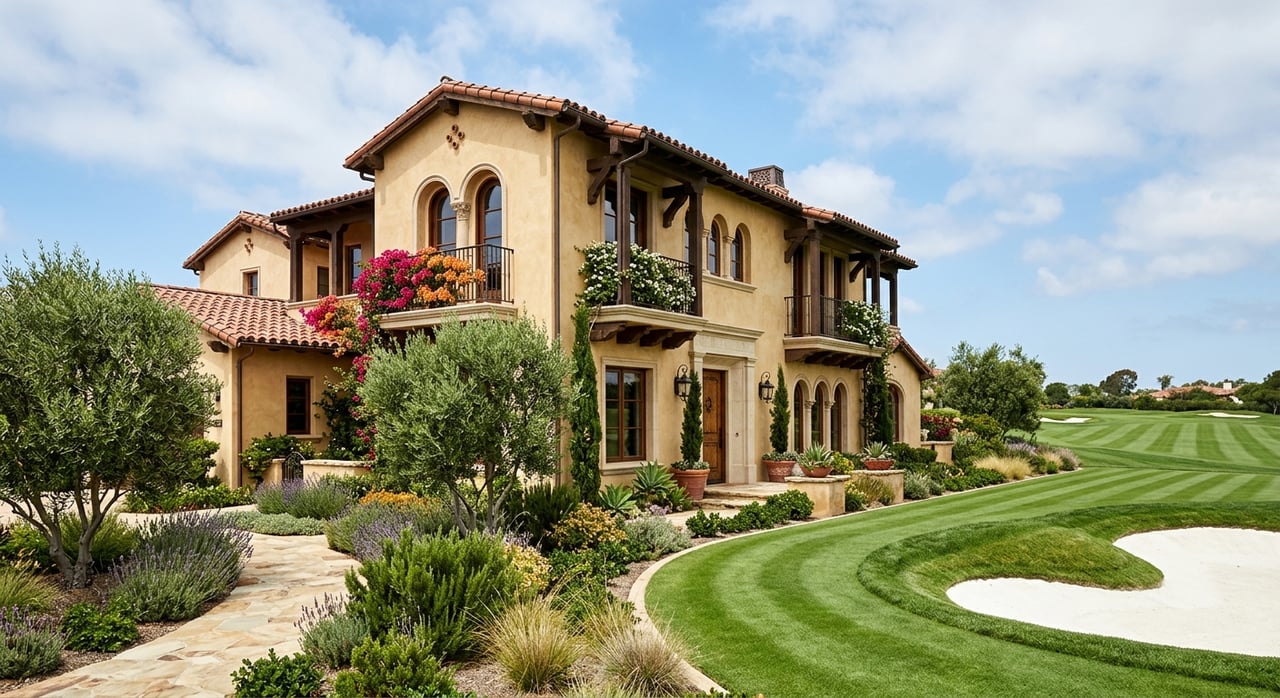
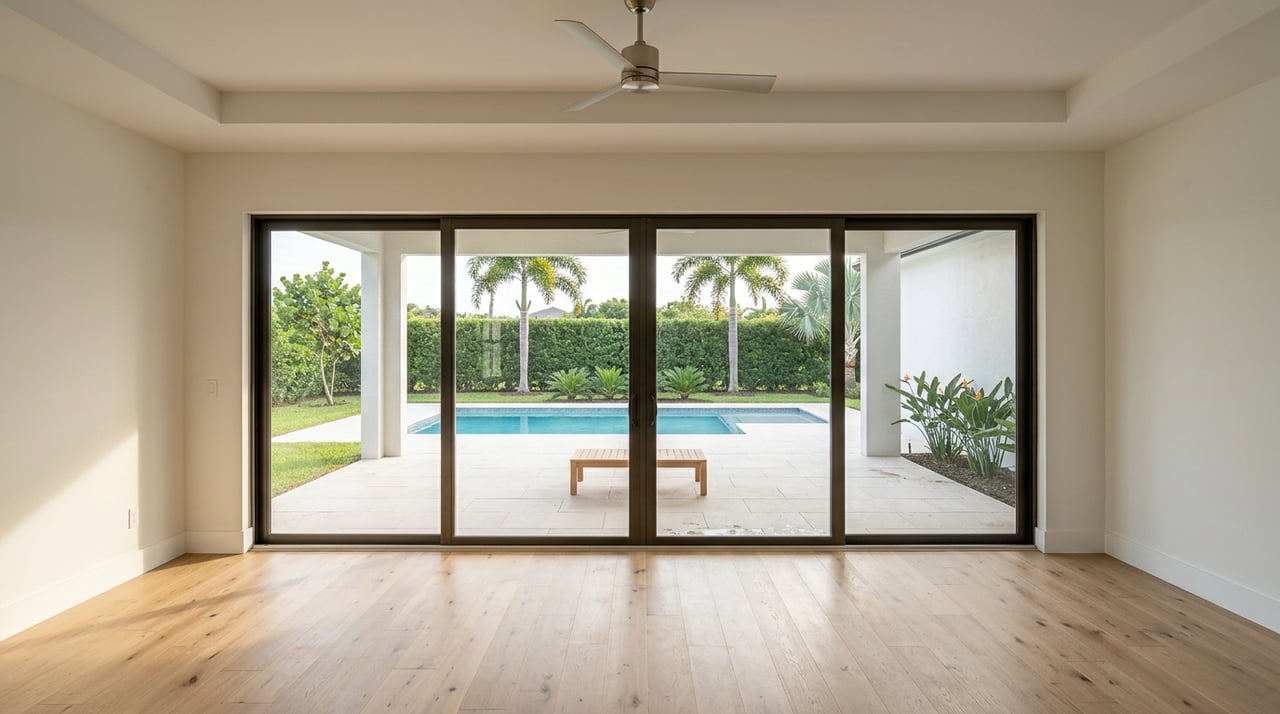
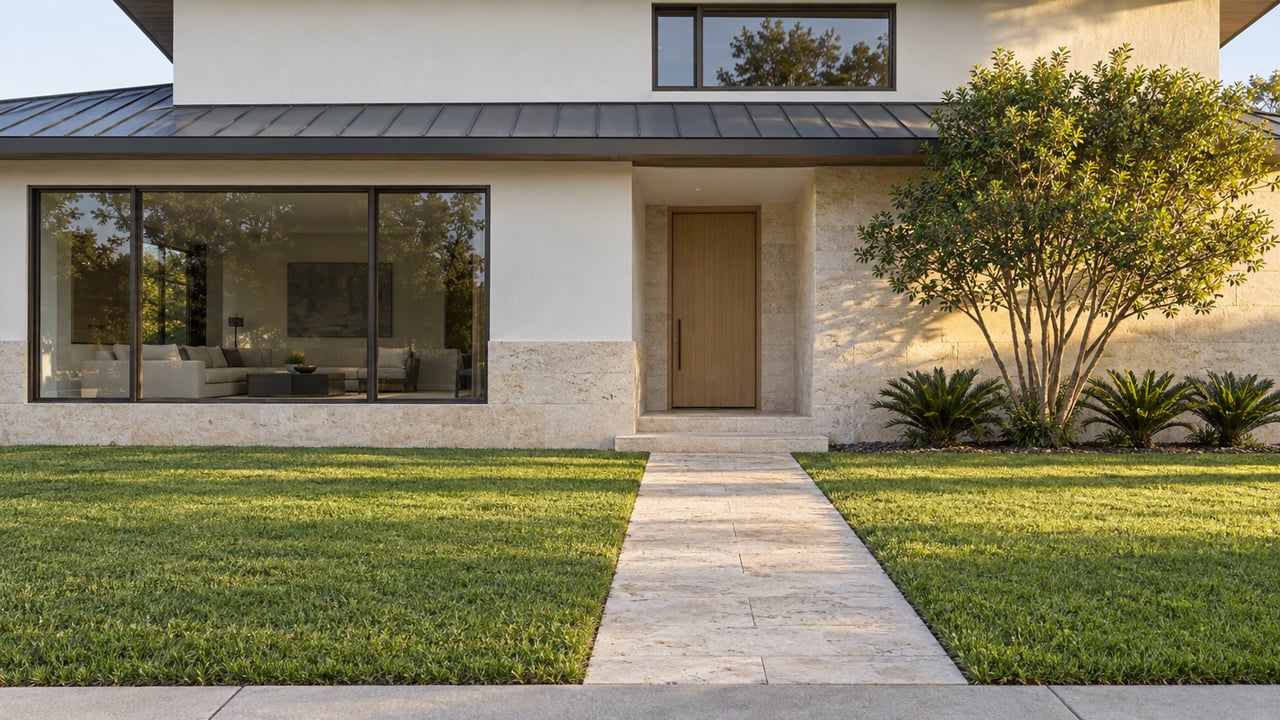
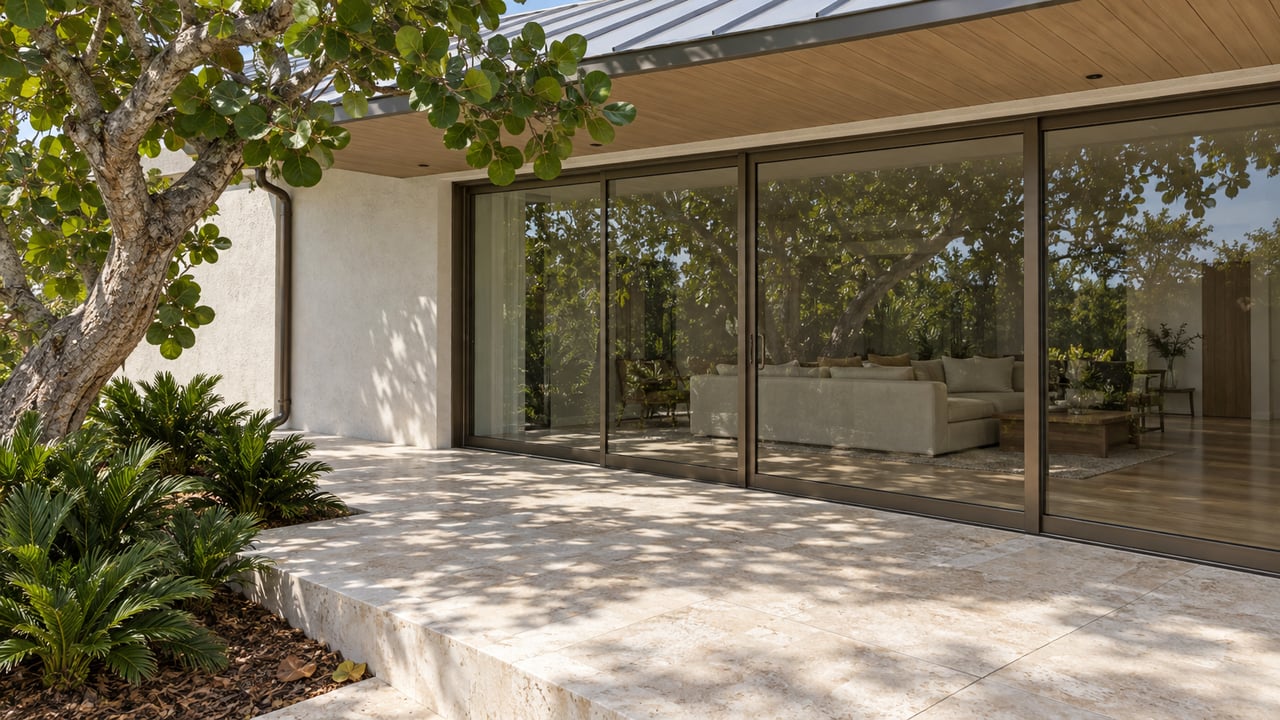
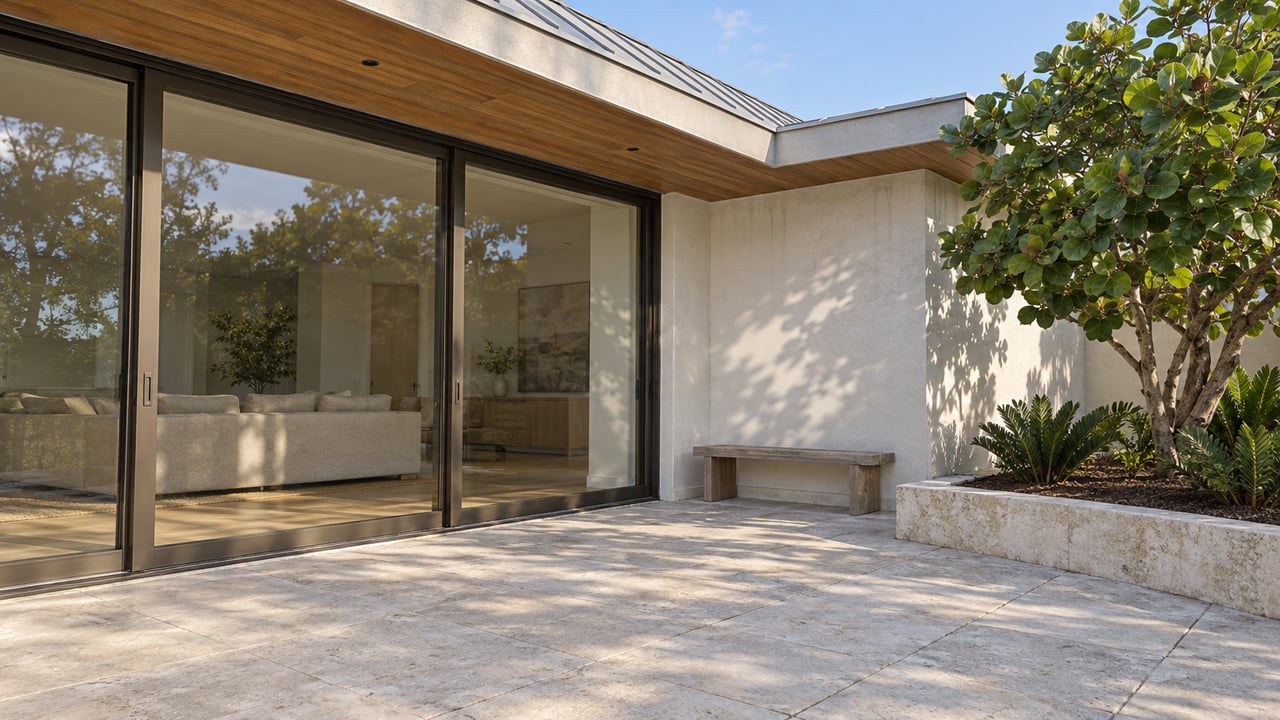
If you want private outdoor space, room for guests or pets, and the ability to customize, a home may be the better fit. You will trade shared amenities for direct control of your property and day-to-day environment.
Boating and dockage
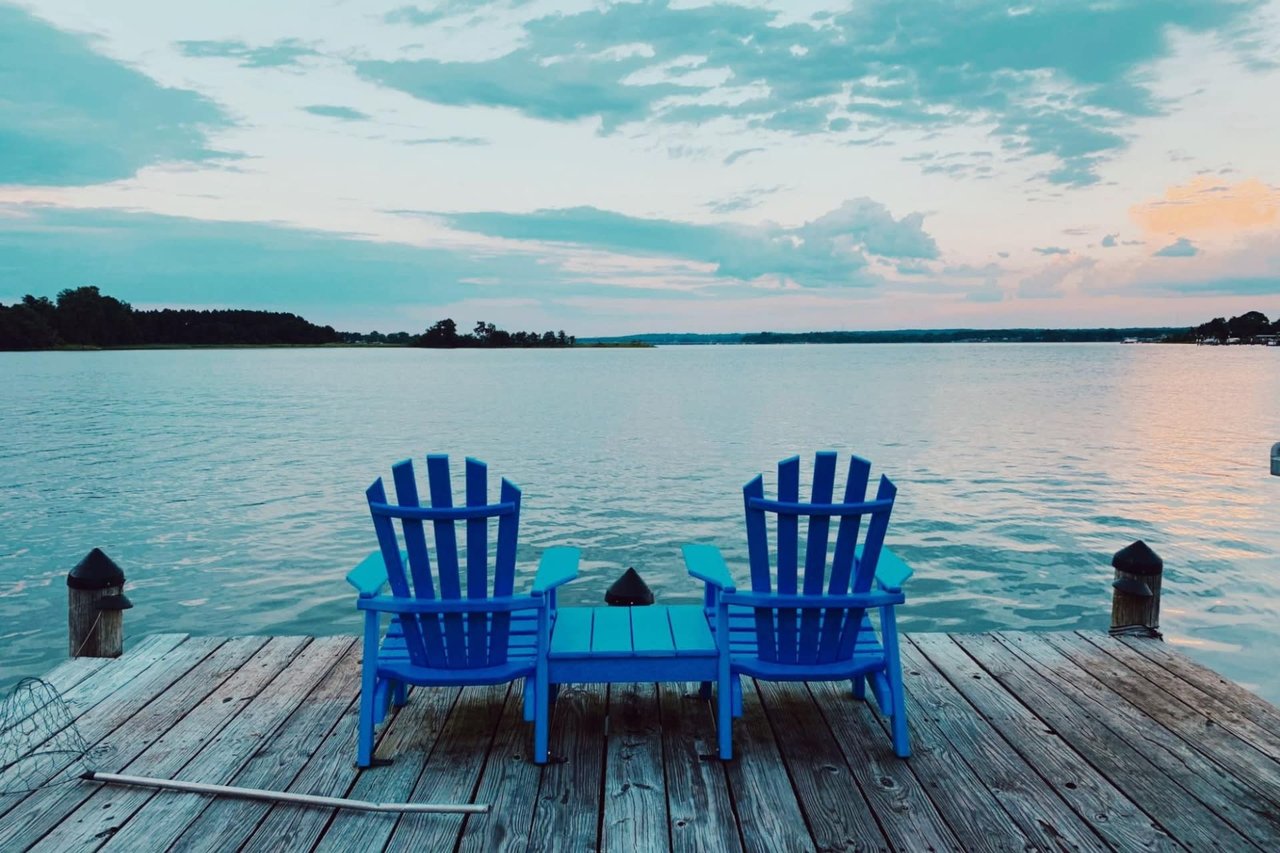
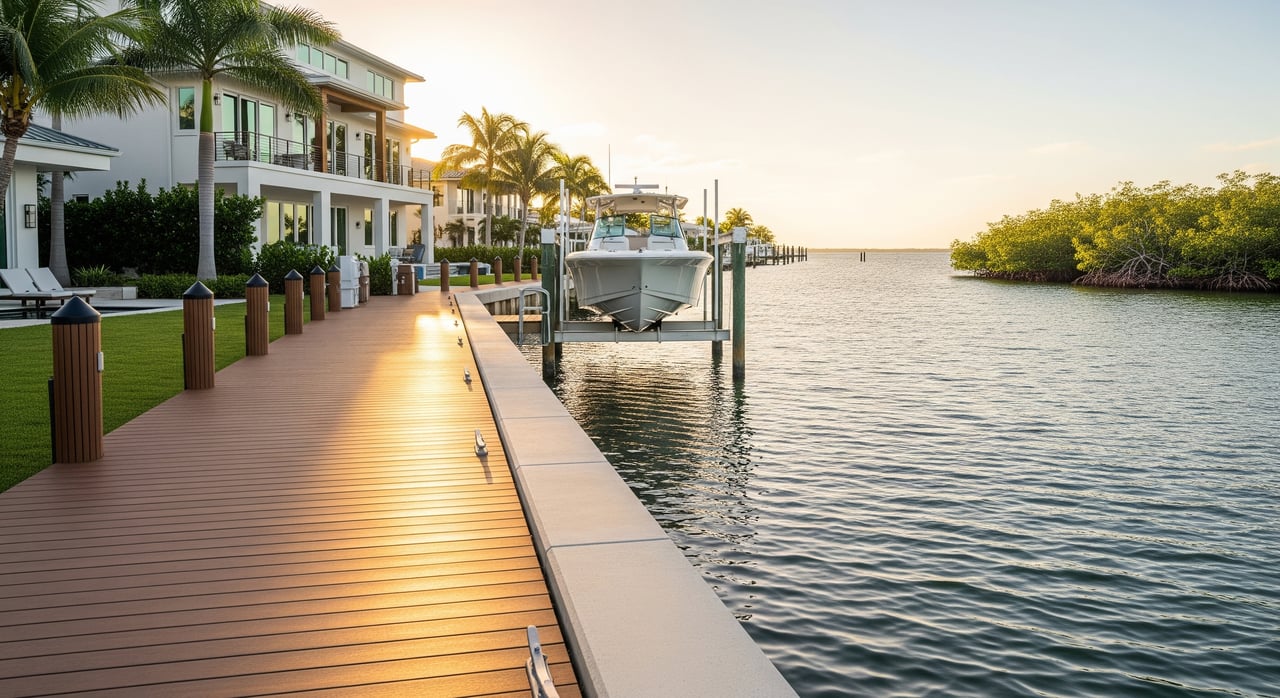
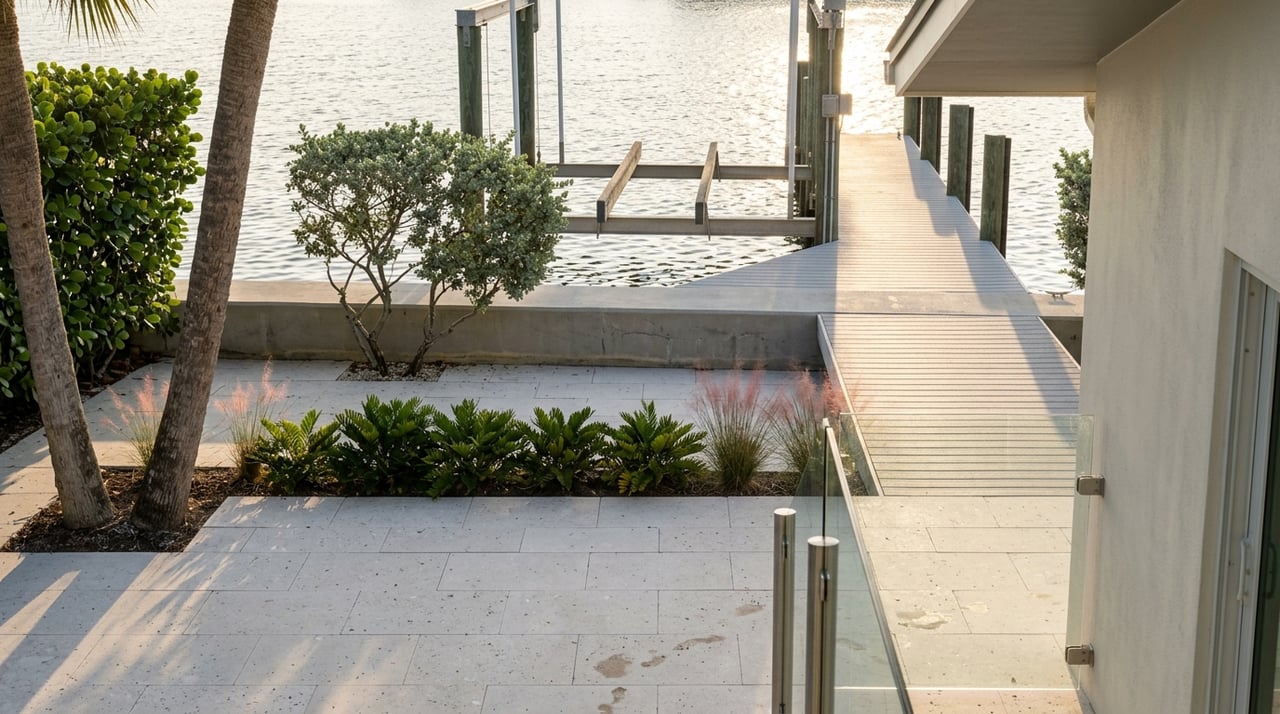
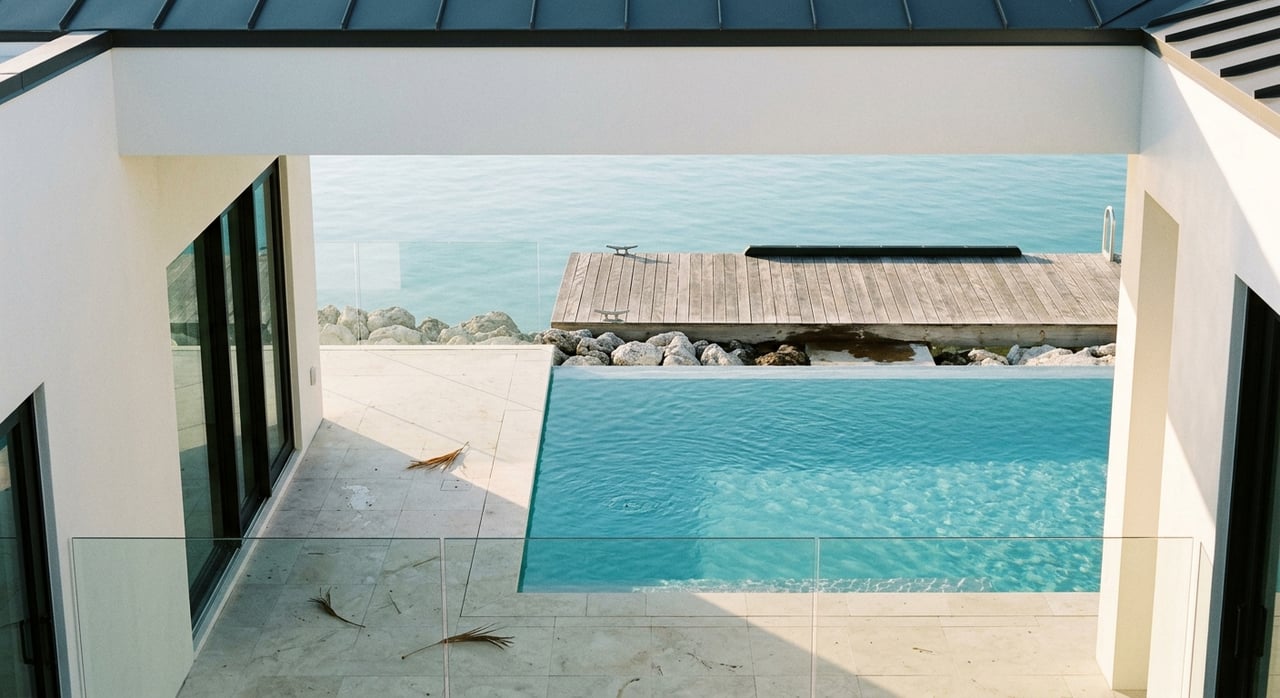
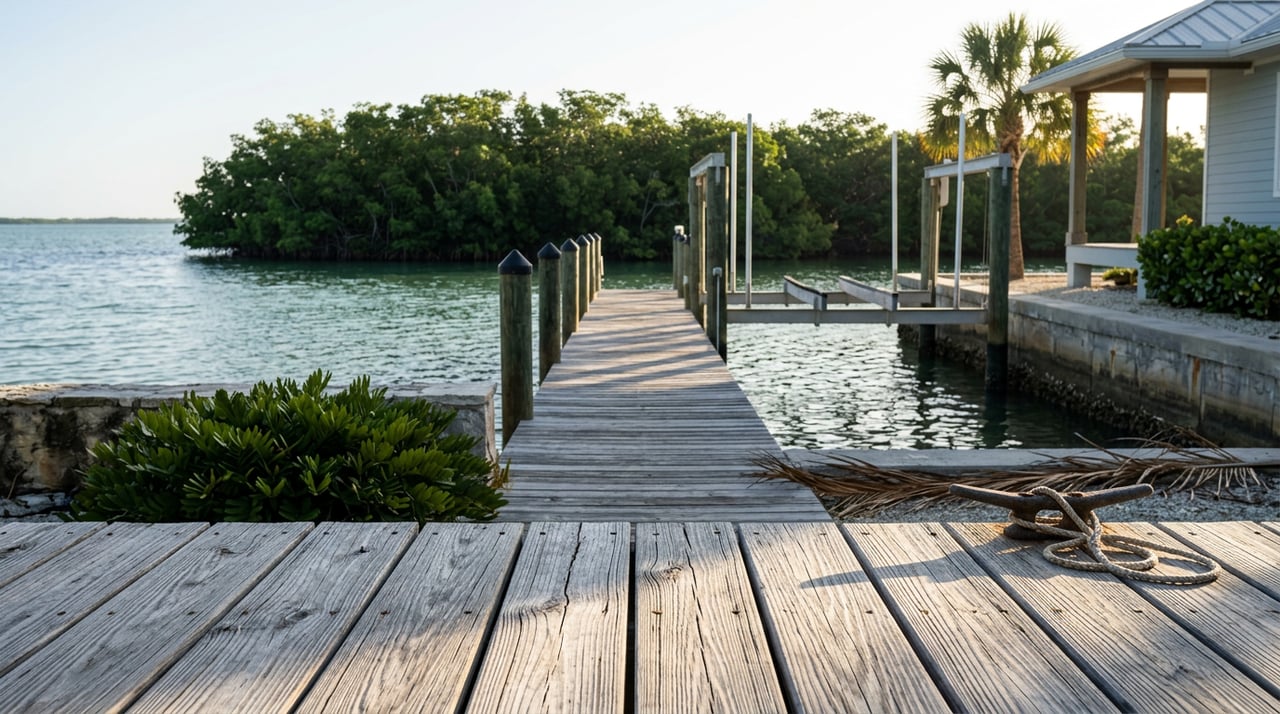
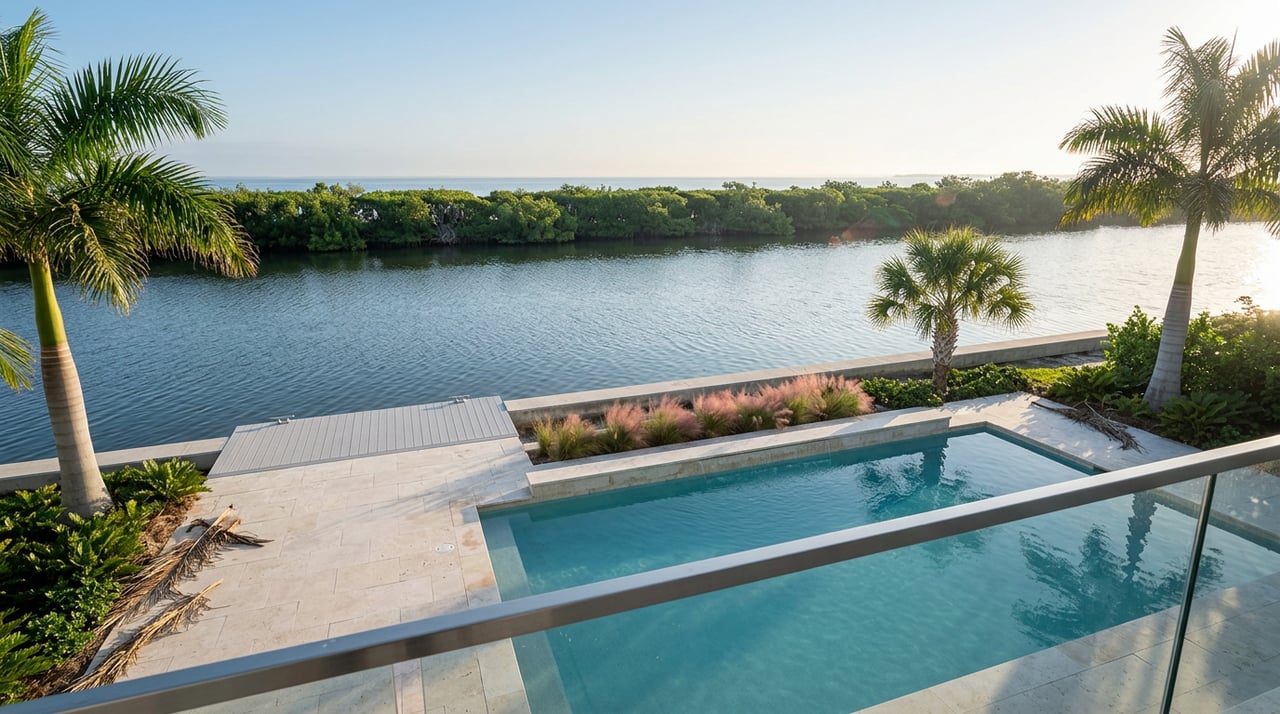
Single-family homes can include private docks, bulkheaded seawalls, and direct water access. Many condo communities have marinas, but slips may be limited, fee-based, and subject to waitlists. Policies vary on whether slips are deeded, leased, or transferable on sale. For any property, review:
- Dock and seawall condition, piling type, and permit history.
- Depth and mean low water.
- Hurricane protection features.
- Ownership and maintenance responsibility for seawalls and docks.
Rental strategy
Income potential on Longboat Key depends on property type, seasonality, marketing, and rules. Many condos allow short-term rentals with defined minimum stays, registration, and on-island contact requirements. Single-family homes can command premium rates for privacy and dock access, though local and HOA rules still apply. When modeling net returns, include:
- Management fees, which are typically higher for short-term rentals than for long-term.
- Utilities, cleaning, supplies, HOA fees, insurance, taxes, and a maintenance reserve.
- Seasonal pricing and occupancy, with higher demand in winter and lower in summer and hurricane season.
Insurance and regulations
Coastal properties face wind, flood, and hurricane risk, which affect coverage availability and premiums. In a condo, the master policy generally covers the structure up to certain limits, and you carry an HO-6 policy for interiors, contents, and potential loss assessments. For single-family, you will secure dwelling coverage plus flood insurance if the home is in a mapped flood zone, and often separate wind coverage.
Financing can also differ. Many lenders require condo project approval and may review reserve funding, building age, and investor ratios. Single-family homes usually face fewer project-level constraints, though flood zone and elevation can impact requirements. At a minimum, confirm:
- Town of Longboat Key rental rules and any registration steps.
- HOA rental restrictions and approval processes.
- Florida laws that govern condos and HOAs and how they shape owner rights and responsibilities.
Resale outlook
Condos can offer lower entry points and broad appeal to seasonal users and investors looking for turnkey options. Single-family homes attract buyers who value privacy, control, and dockage. Over the long term, consider insurance affordability, potential regulatory changes, seawall and dock upkeep, and sea-level resilience when evaluating future value and marketability.
Decision framework
Use this simple process to reach a confident choice:
- Prioritize what matters most
- Rank your non-negotiables: dock access, low maintenance, privacy, rental income, price range, elevator vs stairs, pet rules, and proximity to services.
- Compare and model
- Pull sample listings for condos and homes in your target areas. Compare price per square foot, HOA fees, slip availability, and rental comps across seasons. Build a cost model that includes management fees, utilities, cleaning, taxes, insurance, and a maintenance reserve.
- Decide with weighting
- Give each priority a weight, then score properties. Example: dock access 30%, maintenance tolerance 20%, rental return 25%, privacy 25%.
Scenario guide:
- I want turnkey convenience: You may favor a condo with strong reserves, on-site management, and clear rental options.
- I want a private dock and yard: A single-family home with documented seawall and dock upkeep fits best.
- I want rental income with limited upkeep: A condo that permits short stays and offers managed rentals can simplify operations.
Due-diligence checklist
For condos
- Latest reserve study and funding level.
- Special assessments in the past 5 years and any planned.
- Master insurance policy type, building deductible, and assessment policy.
- Rental rules, minimum stays, and local registration requirements.
- Marina slip details: deeded vs leased, transfer rules, fees, and waitlist status.
- Elevator and roof maintenance schedules and recent work.
- Any ongoing or pending litigation.
- Owner-occupancy versus investor ratio.
For single-family homes
- Seawall and dock maintenance history, permits, and any engineer reports.
- Any easements or restrictions that affect dock or boat size.
- FEMA flood zone, elevation certificate, and recent surveys.
- Documentation of storm-related repairs and permits for recent work.
- Utility details and any neighborhood or HOA exterior standards.
For both
- Multiple insurance quotes for wind, flood, and umbrella coverage; understand hurricane deductibles.
- Parking and guest parking policies, which impact rental practicality.
- Incident reports from the past 12 to 24 months for issues like flood or mold.
- Property management options and realistic occupancy assumptions.
- Lender pre-approval that matches the property type and, for condos, the project.
Local contacts to verify
- Town of Longboat Key for rental rules, permitting, and resilience planning.
- Manatee County and Sarasota County Property Appraisers for parcel and tax data.
- FEMA flood maps for current zones and elevations.
- Florida Department of Business and Professional Regulation for licensing questions.
- Insurance brokers familiar with Florida coastal coverage.
- Local property managers and marina operators for rental and slip availability insights.
Ready to tour with a plan?
Whether you choose low-maintenance condo living or a home with a private dock, you will benefit from clear priorities, realistic cost modeling, and thorough due diligence. If you want a strategic partner who knows Longboat Key’s buildings, boat basins, and neighborhoods, connect with The Ackerman Group for tailored guidance and on-the-ground expertise.
FAQs
What are typical condo rental rules on Longboat Key?
- Rental rules vary by association and must also align with town requirements. Confirm minimum stays, registration steps, local contact requirements, and any caps before you buy.
How do HOA fees compare to single-family upkeep?
- HOA fees cover shared building costs, while single-family expenses are pay-as-you-go. Compare apples to apples by totaling insurance, utilities, reserves, landscaping, and maintenance for each option.
What should I check about flood and wind insurance?
- Verify FEMA flood zone, elevation certificate, and available wind coverage. For condos, understand the master policy and your HO-6 responsibilities. For homes, get quotes for dwelling, flood, and wind-only if needed.
Can I get a boat slip with a condo purchase?
- Some slips are deeded and transfer with a unit, while others are leased with separate fees or waitlists. Ask about ownership type, transfer rules, depth, and maintenance obligations.
Are older condo buildings harder to finance?
- Lenders may review project reserves, building condition, insurance, and investor ratios. Confirm your lender will approve the specific condo association and obtain project details early.
What inspections are essential for waterfront homes?
- In addition to a standard home inspection, consider marine contractor or engineer evaluations for seawalls and docks, plus a wind-mitigation inspection for insurance credits.