Choosing between a brand-new home and a move-in-ready resale in Lakewood Ranch can feel like a coin toss. You want the right fit for your family’s timeline, budget, and long-term goals, especially if you are relocating. In this guide, you’ll compare timelines, warranties, lot selection, HOA and CDD costs, and appreciation patterns, plus learn how a buyer’s agent can help you negotiate smarter. Let’s dive in.
New construction: who it fits
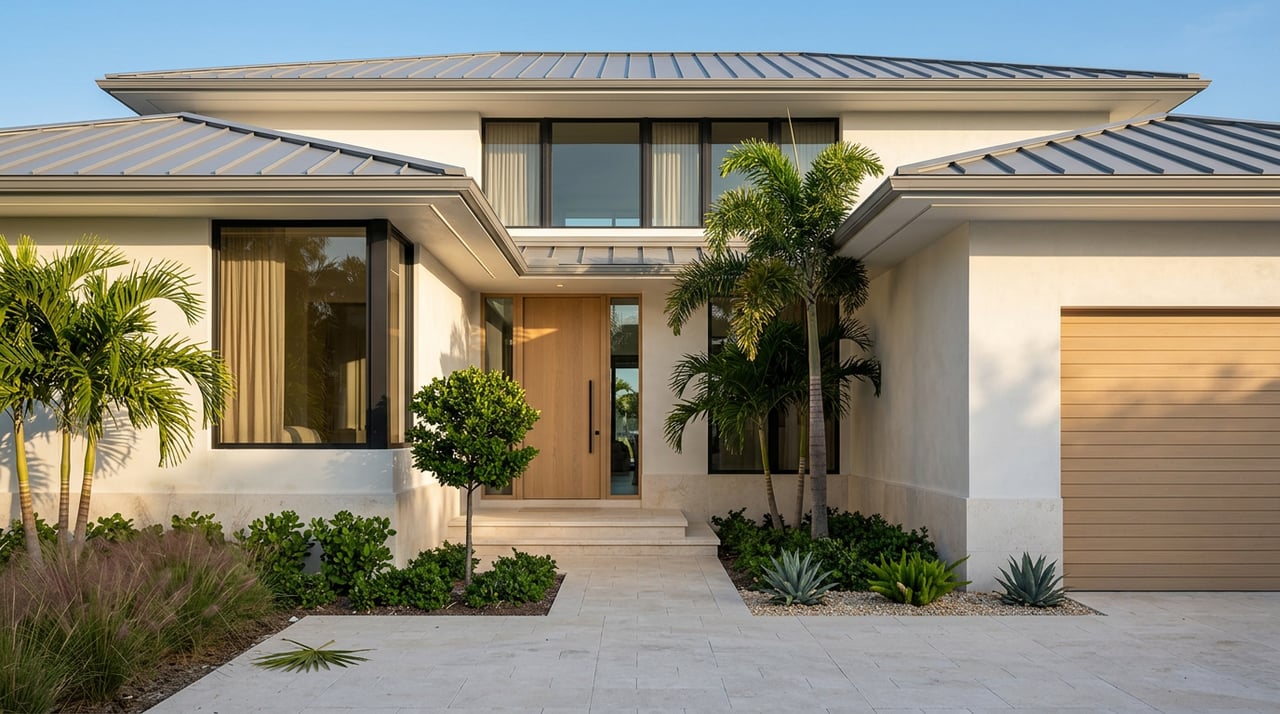
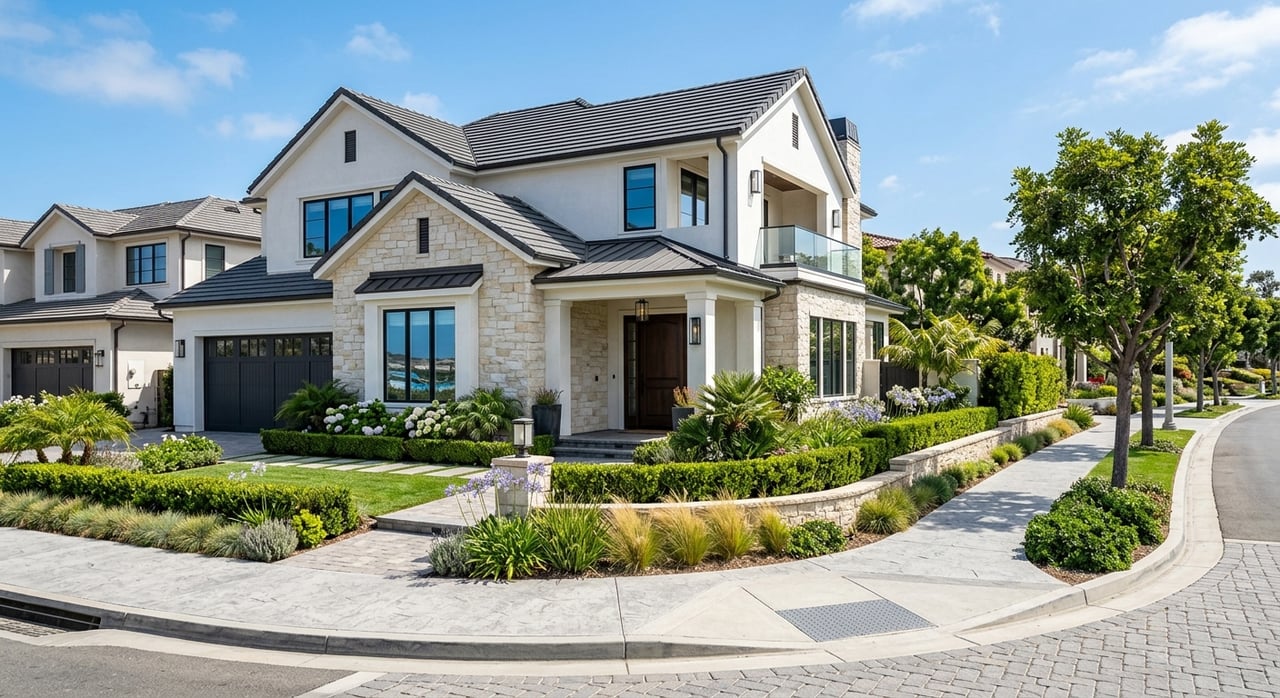
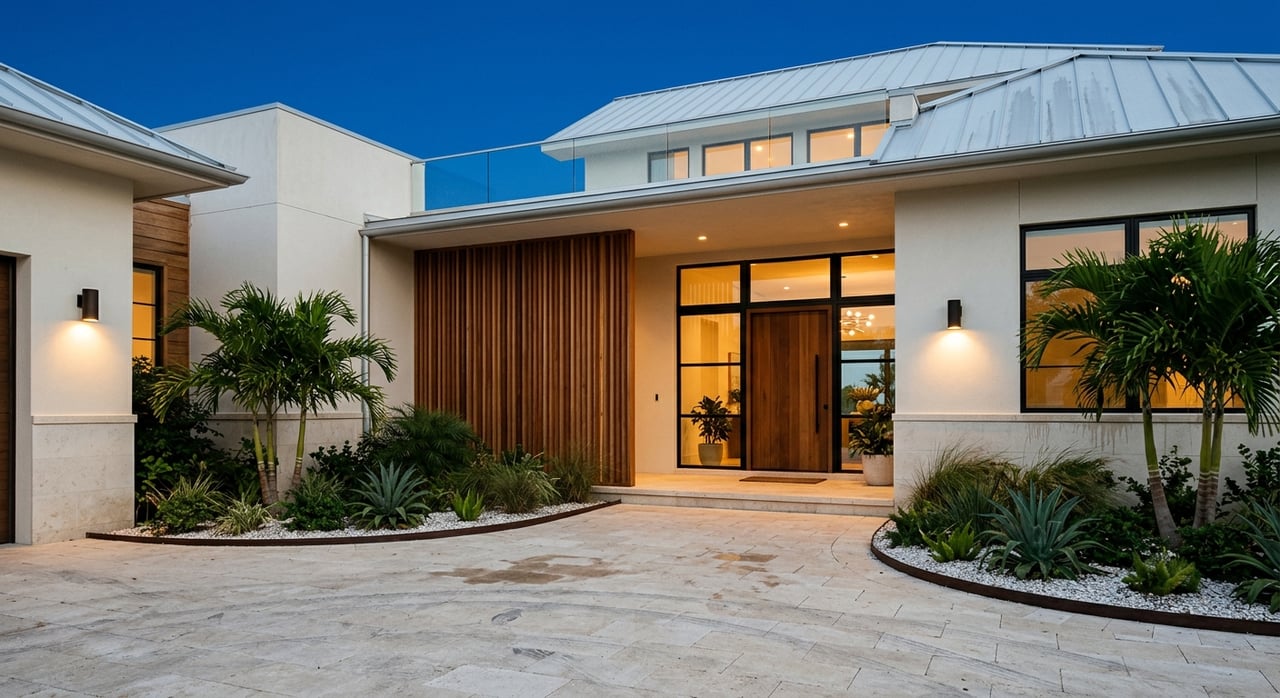
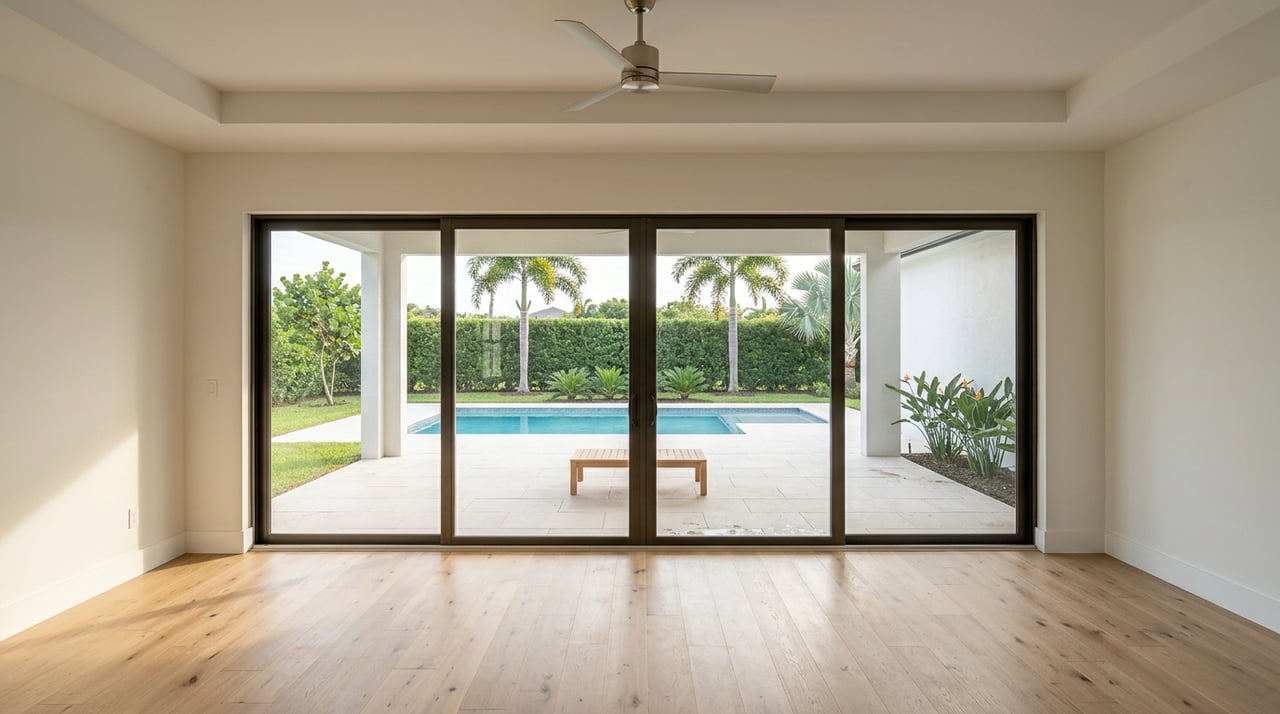
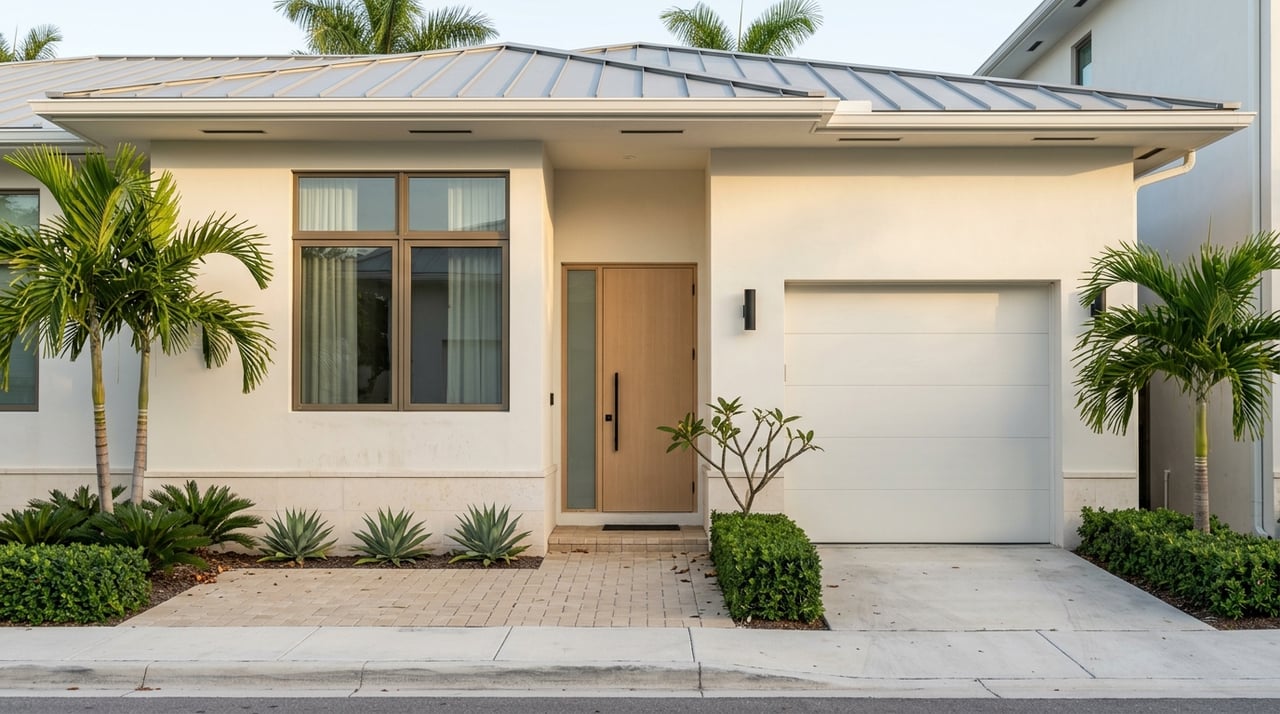
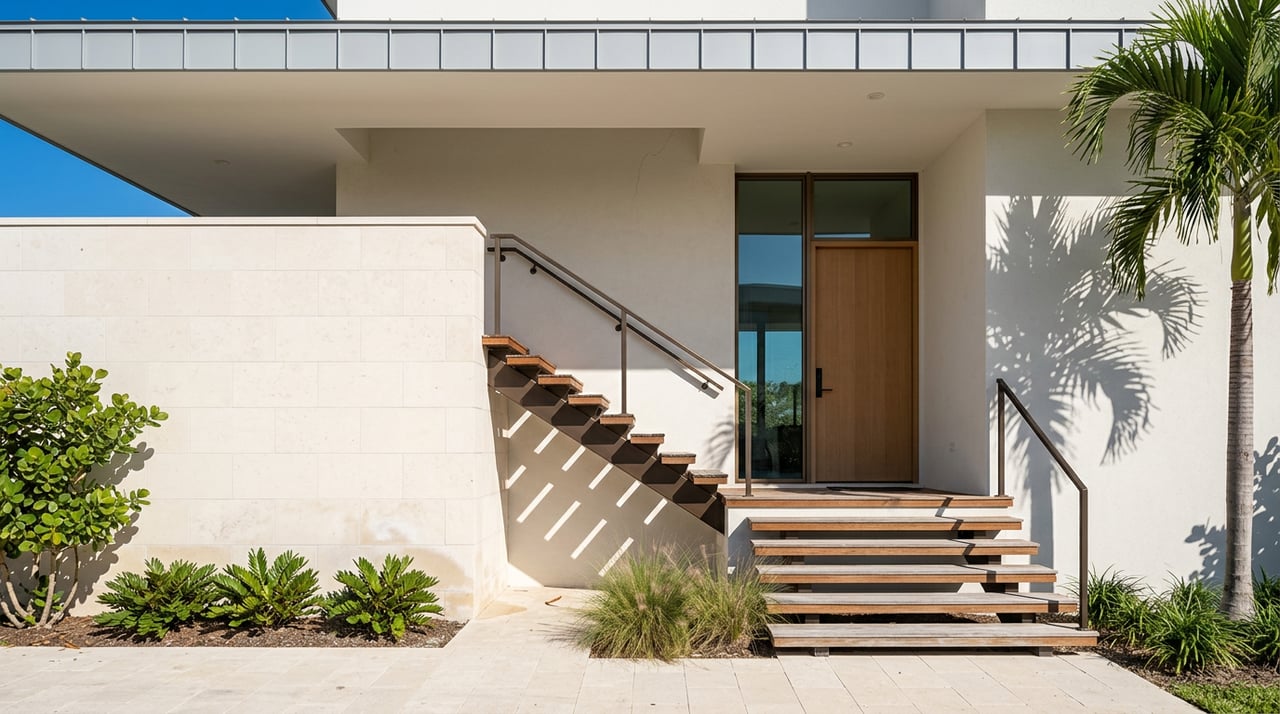
If you want modern design, the latest systems, and the chance to personalize finishes, new construction is a strong fit. You can choose a quick move-in inventory home or build from a plan on a selected lot. The tradeoffs are timeline, potential construction disruption, and community fees that vary by village and phase. Short-term resale performance can also lag comparable established homes while new inventory competes nearby.
Timelines in Lakewood Ranch
You have three main paths. Inventory or spec homes can close in about 30 to 60 days, similar to a resale. Building from a production plan commonly takes about 4 to 10 months from contract to completion, depending on plan complexity and market conditions. Semi-custom or custom builds often range from 9 to 18 months or more.
Florida-specific factors can add time. Permit reviews and hurricane-code compliance affect schedules. Seasonal demand can tighten subcontractor availability, and phased village infrastructure, like roads and amenities, may influence occupancy timing. Ask for a realistic completion window and confirm whether the contract offers any remedies for delays, which are rare with production builders.
Warranties and inspections
Most builders offer a layered warranty structure. A common framework is a 1-year limited warranty for workmanship, a 2-year systems warranty for mechanical, electrical, and plumbing, and a 10-year structural warranty for major load-bearing defects. Coverage terms, start dates, exclusions, and claims processes vary, so obtain the full warranty packet in writing.
Independent inspections still matter on new builds. Aim for at least a pre-drywall inspection and a pre-closing walk-through with an inspector. Many builders limit inspection timing or access, so make sure inspection rights and windows are in your contract. Request the builder’s warranty claim process and typical response times before you sign.
Lot selection and community stage
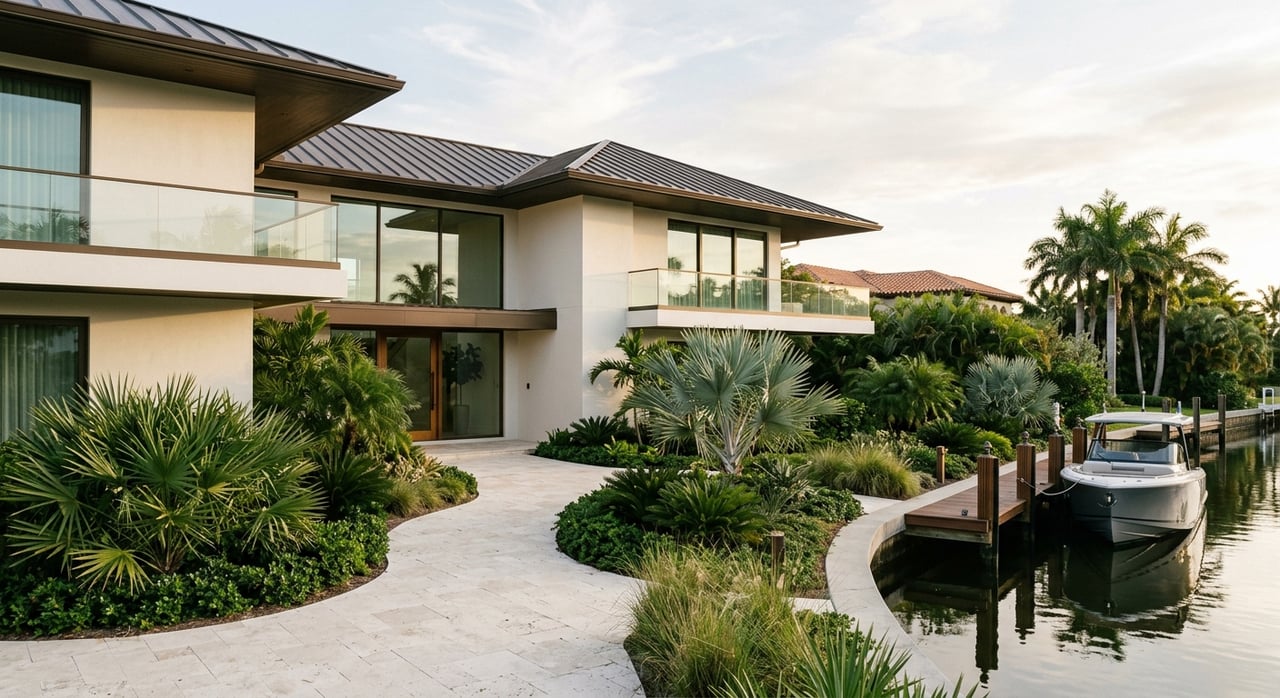
Lot choice has a major impact on both daily living and long-term value. Consider orientation and views, such as preserve and lake outlooks, along with elevation, drainage, and flood zone data. Think about proximity to ongoing construction and how setbacks and side yards affect outdoor living or future pool placement.
Get documents early. Ask for the plat and site survey, lot grading and stormwater plans, and any HOA or CC&R rules for pools, fences, or exterior changes. In later-phase villages, landscaping may be more mature. In newer phases, you may enjoy modern layouts but live with nearby building activity until the area is fully delivered.
HOA and CDD costs
Most Lakewood Ranch villages include HOA dues that cover common-area upkeep, amenities, management, and reserves. Many also sit within a Community Development District that finances infrastructure through assessments that often appear on the property tax bill. CDD assessments can include bond repayment and ongoing maintenance.
Verify whether your lot is in a CDD and whether outstanding bonds remain. Review the HOA operating budget and reserve study to understand future assessment risk. For apples-to-apples comparisons, model your monthly budget with the combined HOA, CDD, property taxes, insurance, and your mortgage payment.
Appreciation outlook
New construction often sells with a new-home premium, which can include lot and upgrade costs. In the near term, prices can be pressured by nearby new inventory competing for buyers. Established resale homes in low-supply pockets may appreciate faster in tight markets.
Over time, high-quality new construction on premium lots tends to track or outperform if the community remains in demand. Lot quality often outweighs finish choices for long-term value. If appreciation is a priority, balance your timeline needs with lot desirability and neighborhood maturity.
Resale: when it wins
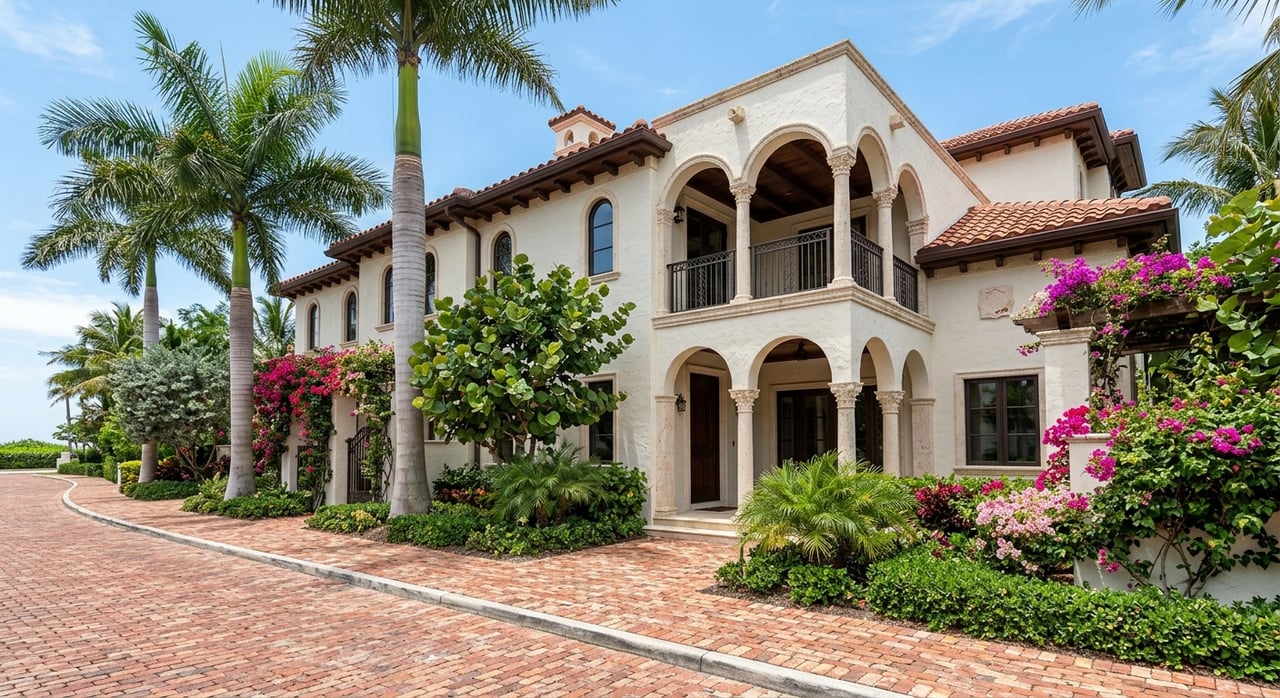
If you need a predictable closing and established surroundings, resale can shine. You can often close faster if the home is already listed and ready to go. You also benefit from mature landscaping and a known utility and maintenance history.
Speed and predictability
Resale timelines are usually straightforward. Once you have an accepted offer, you can proceed through inspections, appraisal, and financing contingencies on a standard 30 to 60 day track. If you want a swift relocation, prioritize homes already vacant or with flexible sellers.
Inspections and condition
Resales come with full home inspections, including structural, roof, HVAC, and pest evaluations, and you can negotiate repairs or credits. You may inherit older systems or plan for renovations. Compare the total cost of updates against builder upgrade pricing to see which path fits your timeline and budget.
Established neighborhoods
Established streets can mean quieter surroundings and a clearer sense of traffic patterns and micro-location traits. You can evaluate long-term drainage, utility reliability, and how the area lives day to day. If new construction activity nearby would be a challenge for your family, an established resale pocket can be a calmer choice.
Financing, incentives, and negotiation
Inventory homes typically finance like a resale with conventional, FHA, or VA loans. Ground-up builds may involve a construction-to-permanent loan, or you may choose a builder’s preferred lender option if incentives are offered. Appraisals on new builds rely on recent comparable sales and may limit how much in upgrades is supported without a larger down payment.
Builders use incentives to move inventory and hit milestones. These can include closing cost credits, lender rate buydowns, or upgrade packages. You can also negotiate on timing, certain finishes, and sometimes lot premiums. Aligning your offer with a builder’s sales cycle can increase your leverage.
How a buyer’s agent adds leverage
A skilled buyer’s agent helps you compare new vs resale with clear eyes. They interpret builder contracts, including inspection access, warranty exclusions, change order rules, and any arbitration clauses. They also benchmark lot premiums and upgrade pricing against resale alternatives and advise on negotiation timing, like end-of-quarter pushes.
Your agent coordinates inspections, reviews HOA and CDD disclosures, and secures key documents like grading plans, plat maps, and warranty manuals. After closing, they can help you navigate punch lists and warranty claims, so you stay focused on settling in.
Quick decision checklist
- Need to move quickly? Favor resale or a builder’s inventory home and confirm the closing window in writing.
- Want to personalize? Choose a new build and plan for selections and a longer timeline.
- Sensitive to construction activity? Avoid lots next to active phases or choose an established resale pocket.
- Budget planning? Model the full monthly cost: mortgage, taxes, insurance, HOA, and any CDD assessments.
- Long-term value focus? Prioritize lot quality and micro-location over cosmetic finishes.
- Renovation tolerance? Compare the cost and time of upgrades in resale versus builder options in new construction.
Documents to verify before you sign
- Full builder contract, warranty manual, and change-order policies
- Inspection access windows and milestones for new construction
- HOA budget, reserves, and community rules
- CDD status, current assessment schedule, and any bond details
- Plat, site survey, lot grading, and elevation information
- Standard features list, upgrade matrix with pricing, and appraisal considerations
- Contingencies for financing, appraisal, and satisfactory inspections where possible
Local guidance from a trusted team
Choosing between new construction and resale in Lakewood Ranch comes down to your move-in speed, customization goals, tolerance for construction-phase activity, and long-term value plan. With clear documents, realistic timelines, and the right negotiation strategy, you can land the home that fits your family best.
If you want white-glove guidance from a family-led team with deep local knowledge and new-construction expertise, connect with The Ackerman Group. We help you compare communities, decode HOA and CDD structures, negotiate builder incentives, and manage every step from contract to close.
FAQs
How long to move into a new build in Lakewood Ranch?
- Inventory homes can close in 30 to 60 days, production builds often take 4 to 10 months, and semi-custom or custom homes typically run 9 to 18 months or more.
What does a builder warranty usually cover?
- Many builders follow a 1-year workmanship, 2-year systems, and 10-year structural framework, with specific terms, start dates, and exclusions detailed in the written warranty.
How do HOA and CDD fees affect my budget?
- HOA dues and CDD assessments are recurring costs that vary by village and phase, so verify current figures and include them with taxes, insurance, and mortgage in your monthly plan.
Will a new home appreciate as fast as a resale?
- New construction can face near-term competition from nearby builds and include a new-home premium, while established resale pockets can appreciate faster during tight markets.
Can I bring a buyer’s agent to a model home?
- Many builders cooperate with buyer’s agents, and it is best to register your agent at the first visit so representation and commission arrangements are clear.
What inspections should I get on a new build?
- Ask for independent inspections at key milestones like pre-drywall and pre-closing, and confirm your inspection access and timing in the contract.