What if you could watch sunrise on the bay, spend the afternoon on your own beach, then toast sunset over the Gulf without leaving home? If you are considering Casey Key in Sarasota County, that is the promise of true gulf-to-bay living. You want privacy, direct boat access, and a property that will hold long-term appeal. This guide breaks down what gulf-to-bay means on Casey Key, how orientation and frontage affect your day-to-day use, and what to know about permitting, flood risk, and value. Let’s dive in.
Gulf-to-bay on Casey Key, defined
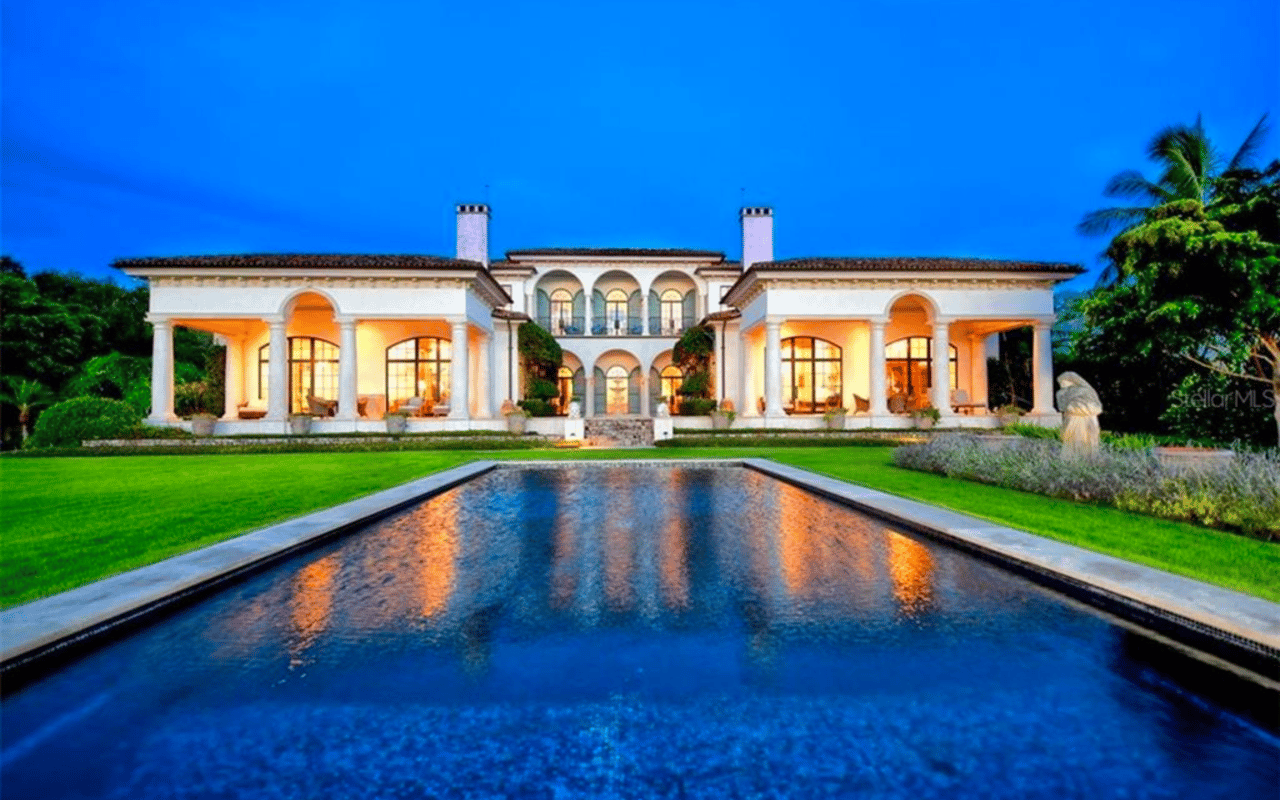
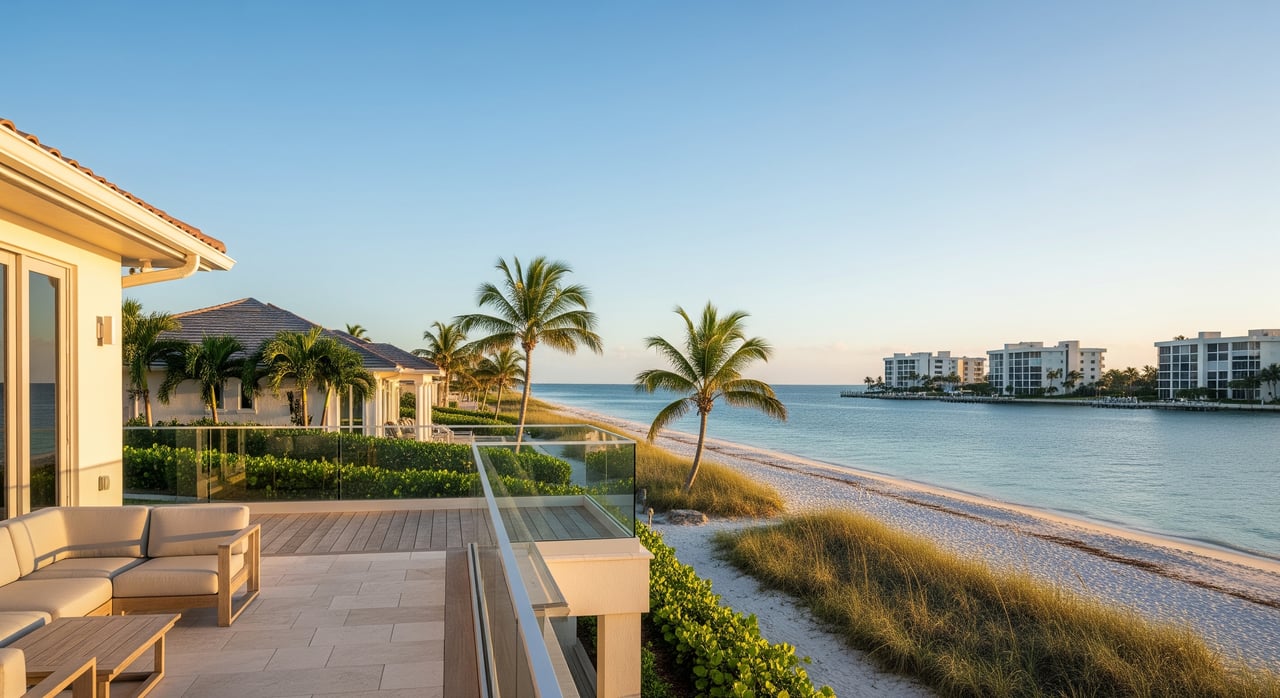
Casey Key is a narrow barrier island with the Gulf of Mexico on the west and Little Sarasota Bay on the east. Because of that shape, some parcels offer practical access to both sides. Gulf frontage gives you beach, surf, and sunsets. Bay frontage gives you sheltered water, docks, and boating. A true gulf-to-bay estate combines both, often with the main residence on one side and boat facilities or guest quarters on the other.
Privacy is a major draw. Public access on the island is limited compared with more developed beaches, so the setting feels exclusive while still close to Sarasota’s culture and dining.
Lot types and site planning
True gulf-to-bay parcels
These are contiguous holdings that span from the gulf side to the bay side, or they include easement access to the opposite shore. They are less common and often command a premium because they deliver both beach and dock utility.
Gulf-only or bay-only frontage
Gulf-only lots emphasize beach lifestyle and view corridors. Bay-only lots emphasize boating, fishing, and protected waters. Both carry value for different reasons, but the daily experience and permit needs differ.
Common orientation choices
- Gulf-facing main home with service or secondary structures toward the bay.
- Bay-facing main home with a private beach across lawn and dune.
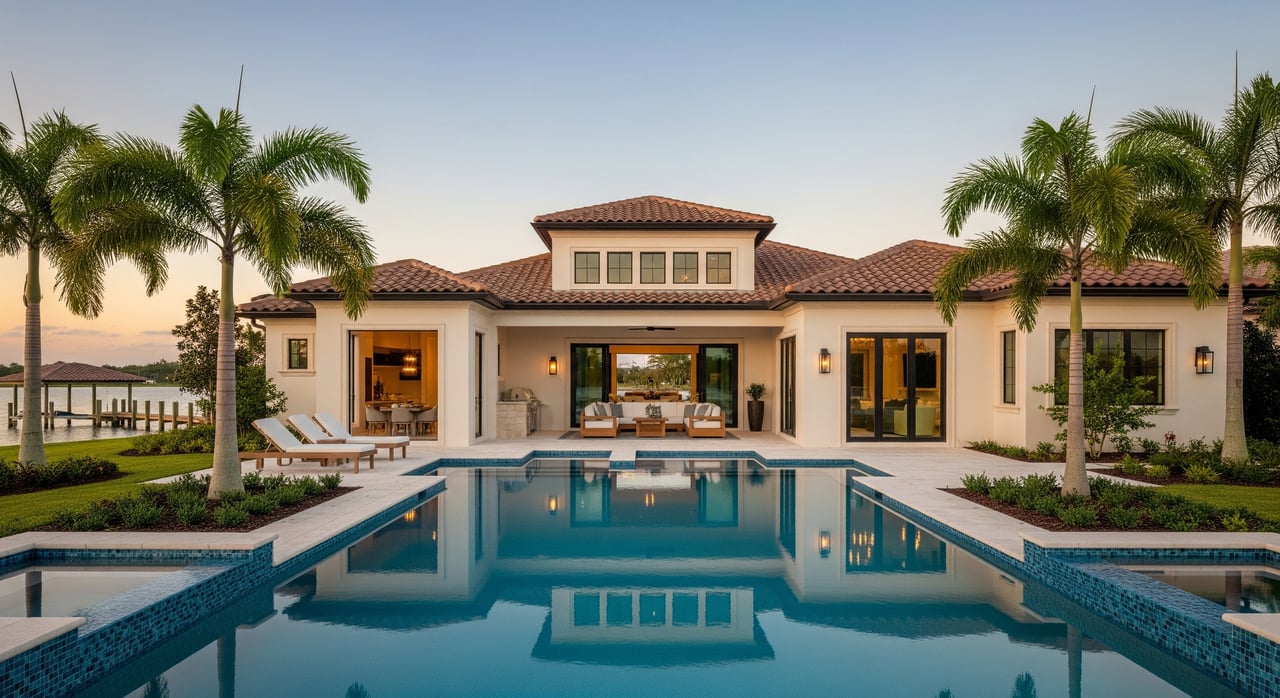
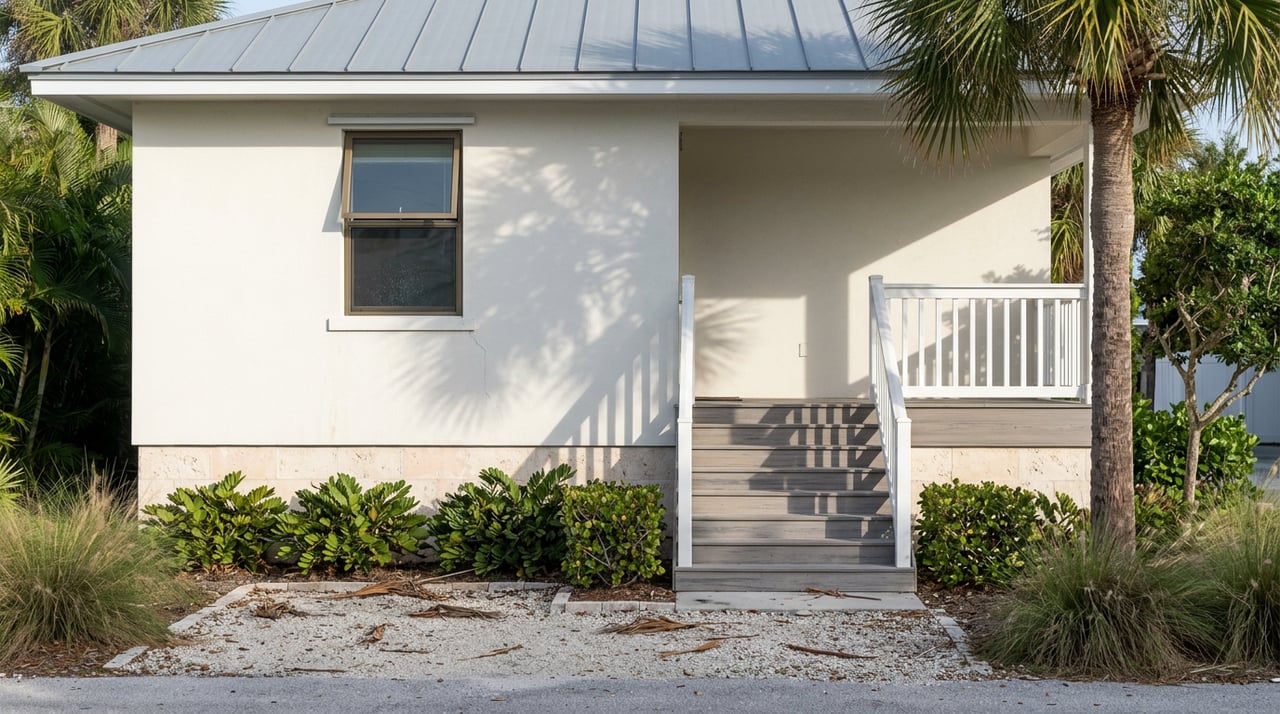
- Two-structure approach with a gulffront main residence and a guest house or boathouse on the bay.
Frontage, docks, and usable water
Bay-side dock potential
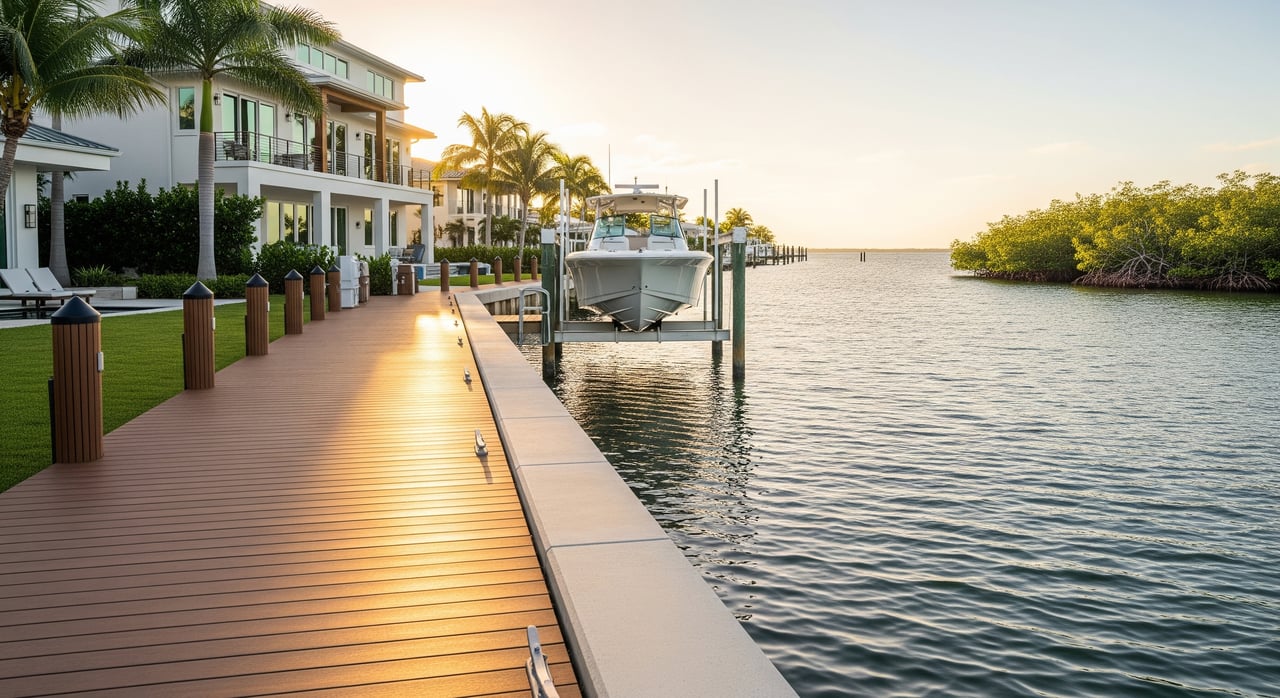
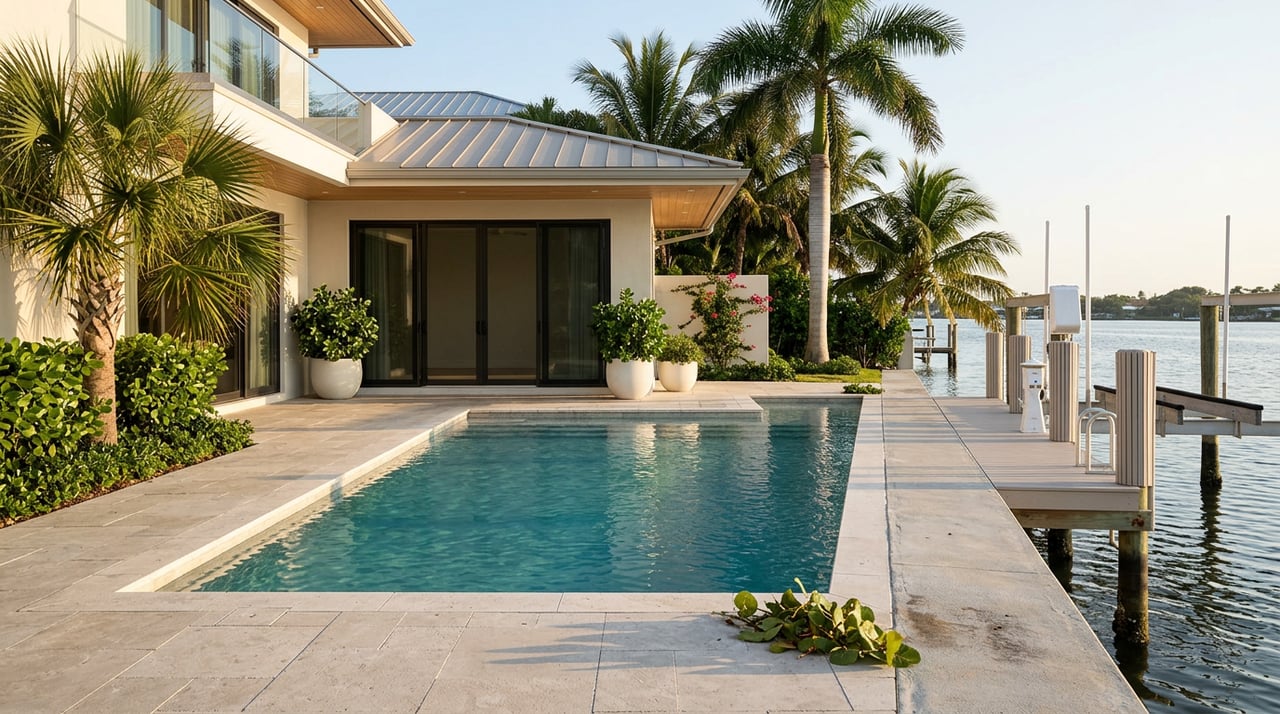
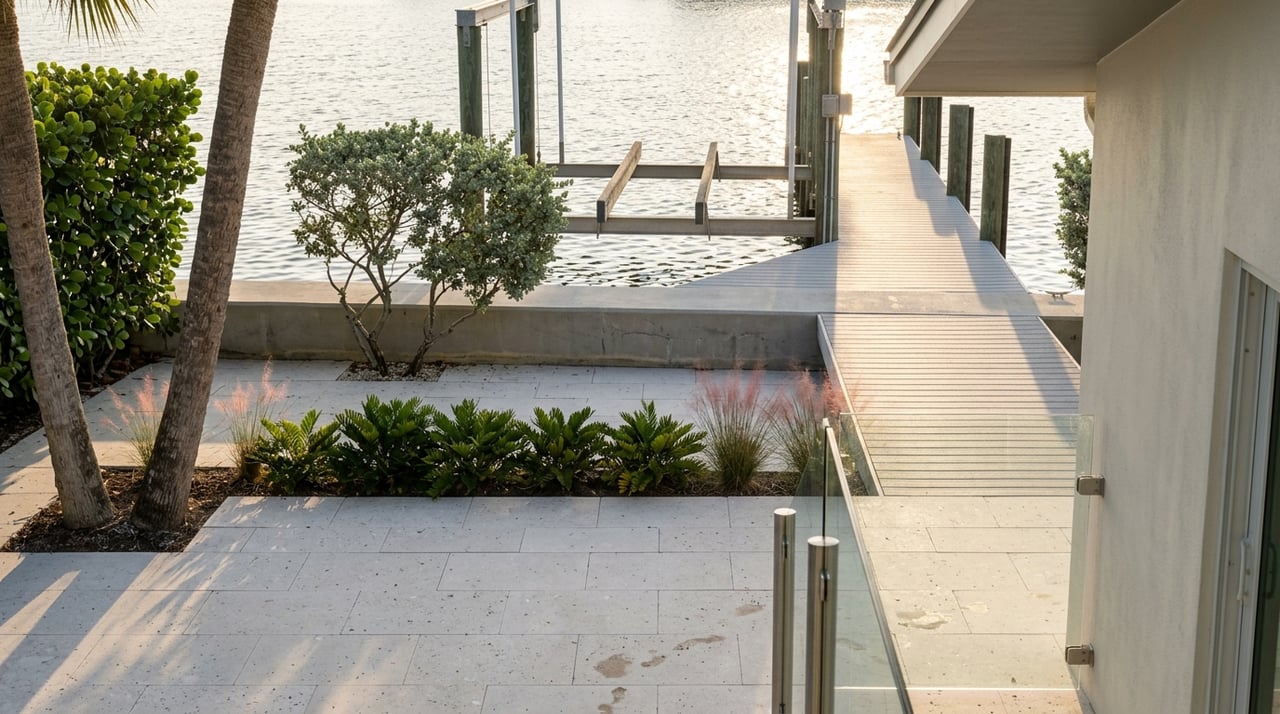
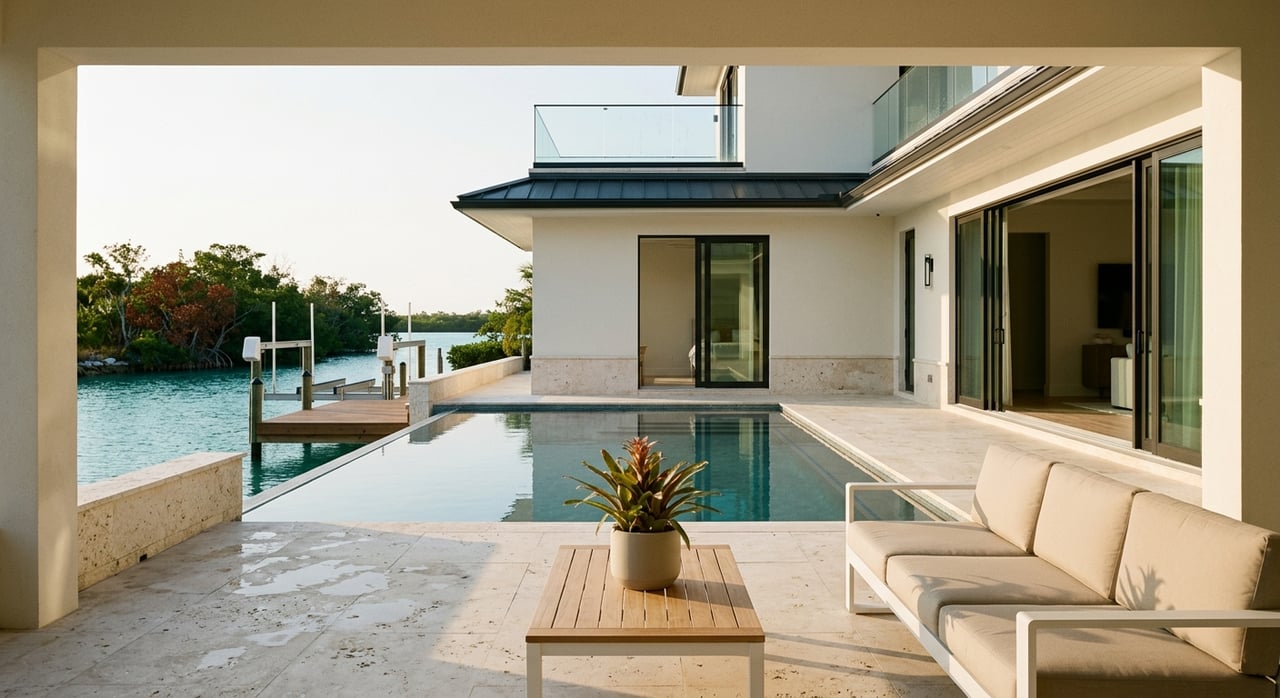
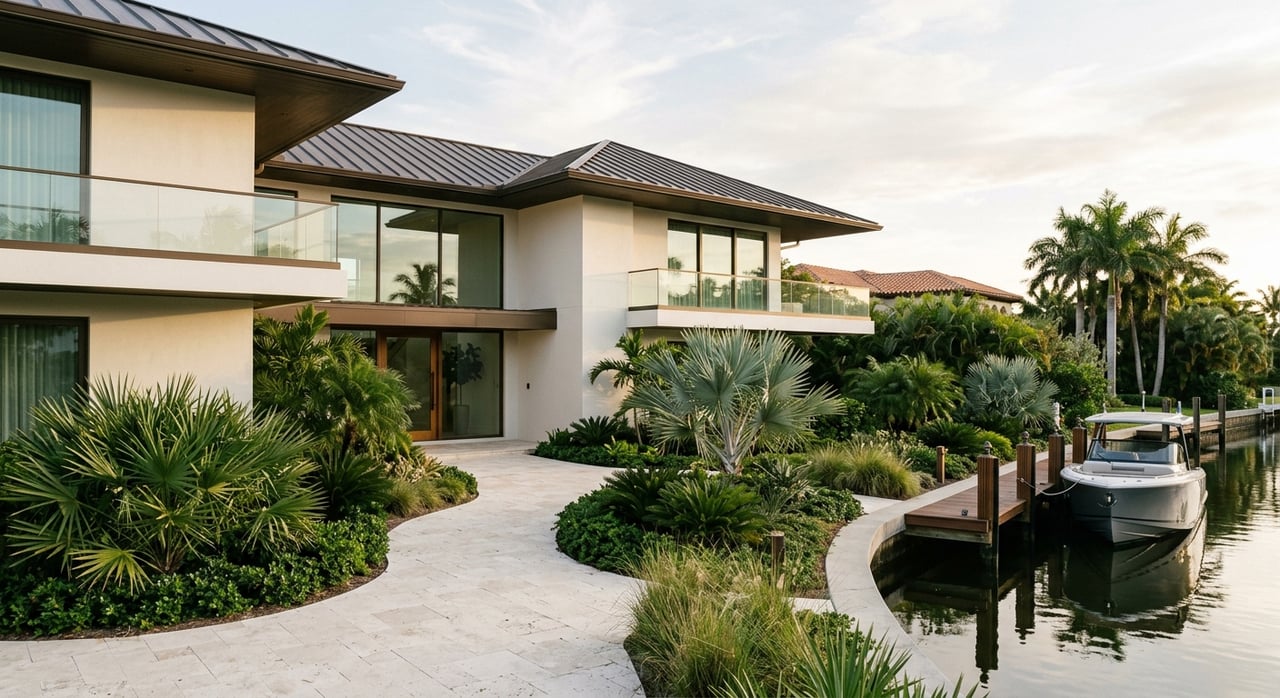
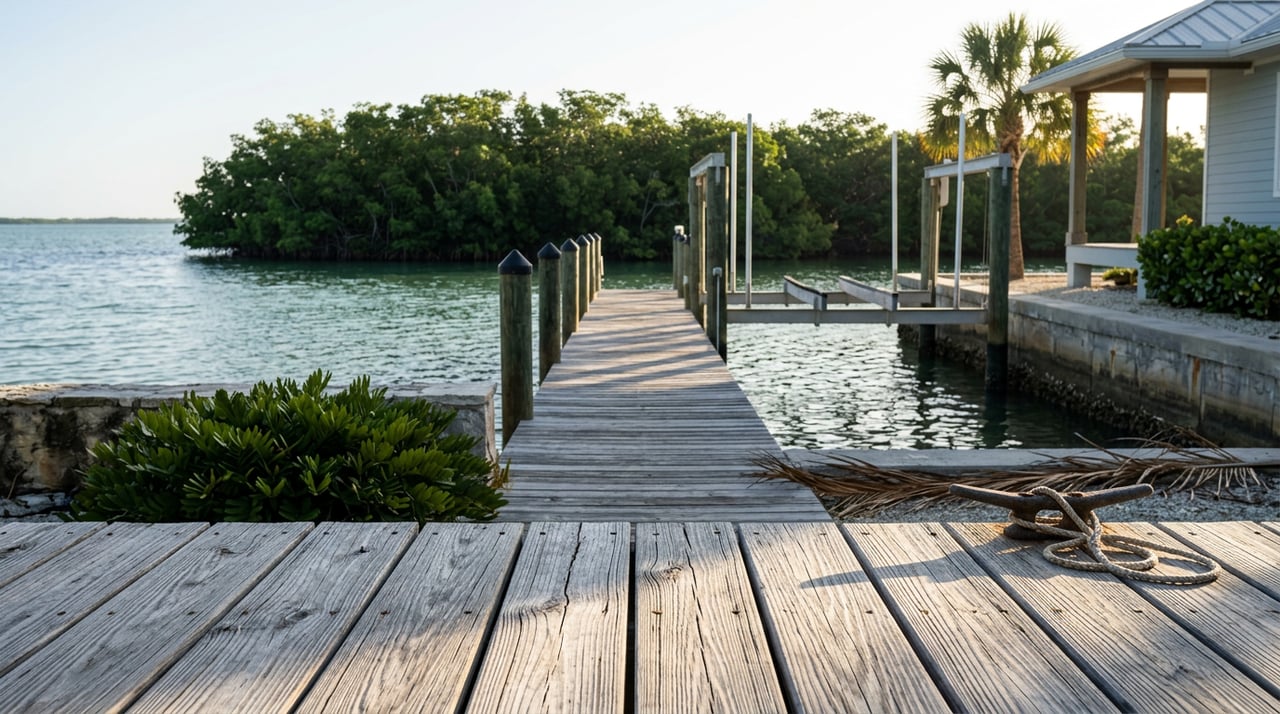
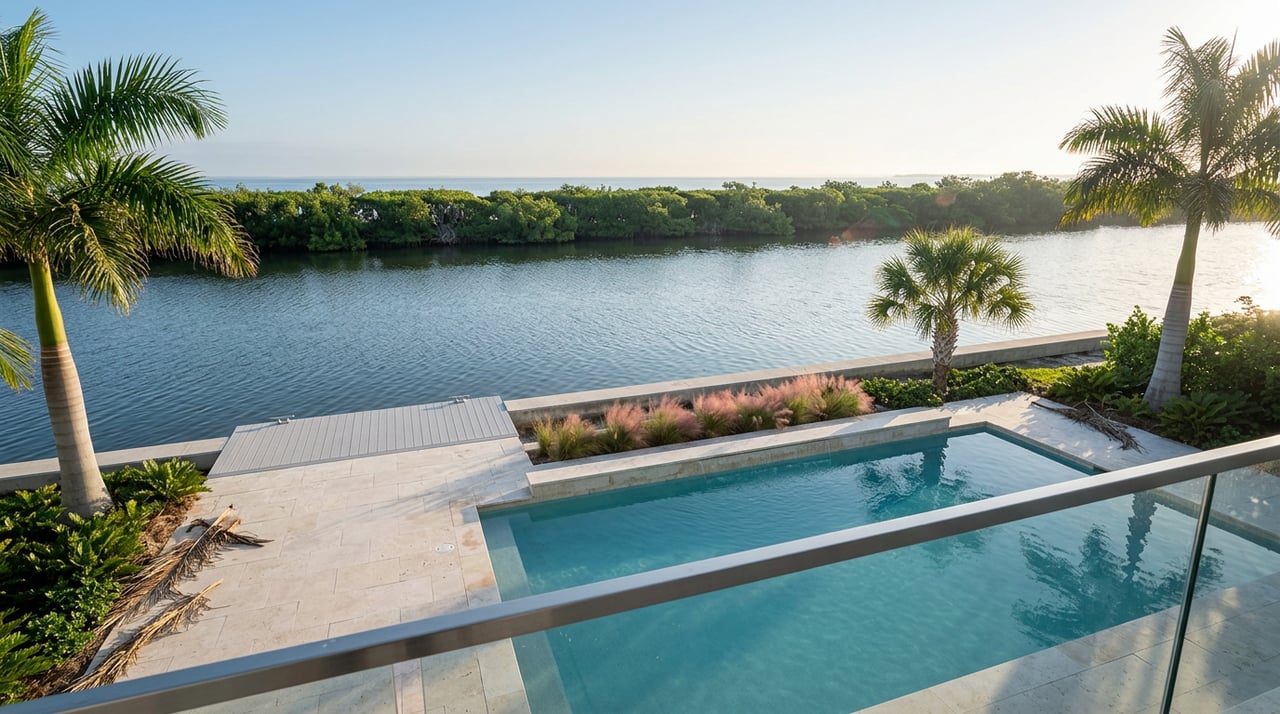
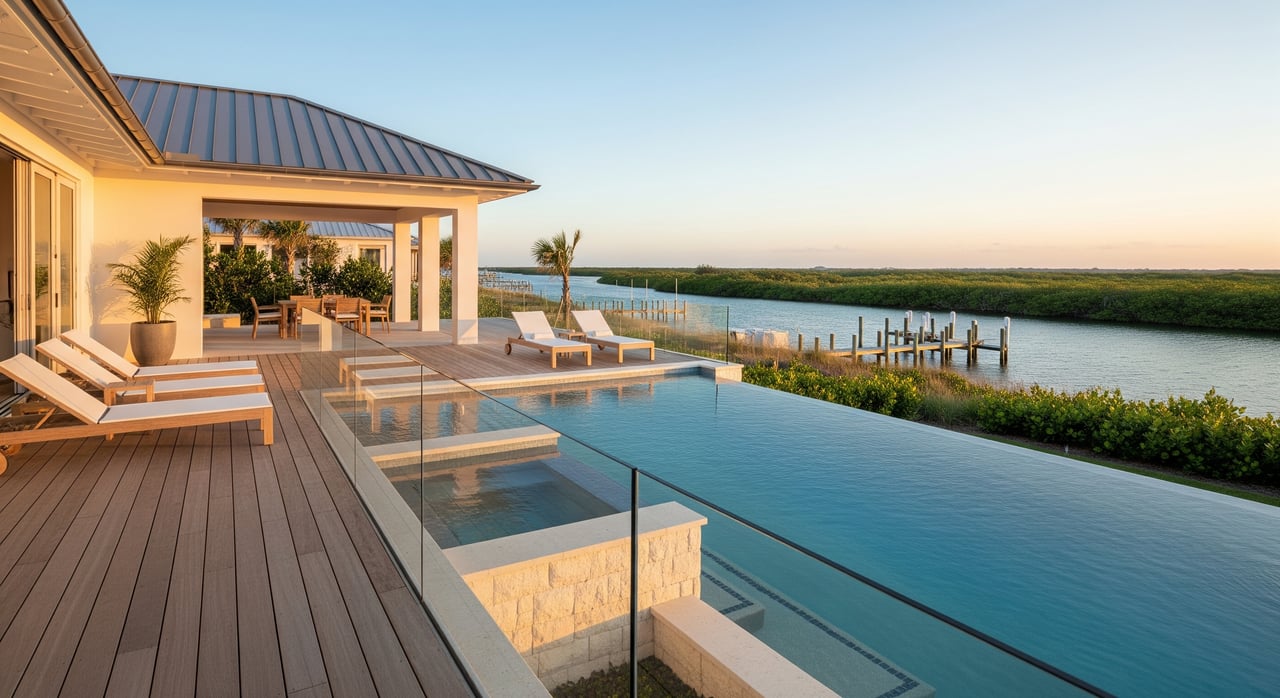
Bay or Intracoastal frontage typically supports private docks, boat lifts, and sheltered moorage. Dock feasibility depends on your shoreline rights to the mean high water line and submerged lands, the presence of seagrass beds or shallow shoals, channel depth, and permits from local and state agencies. A marine contractor can help you assess length, location, and footprint early.
Gulf-side access and limits
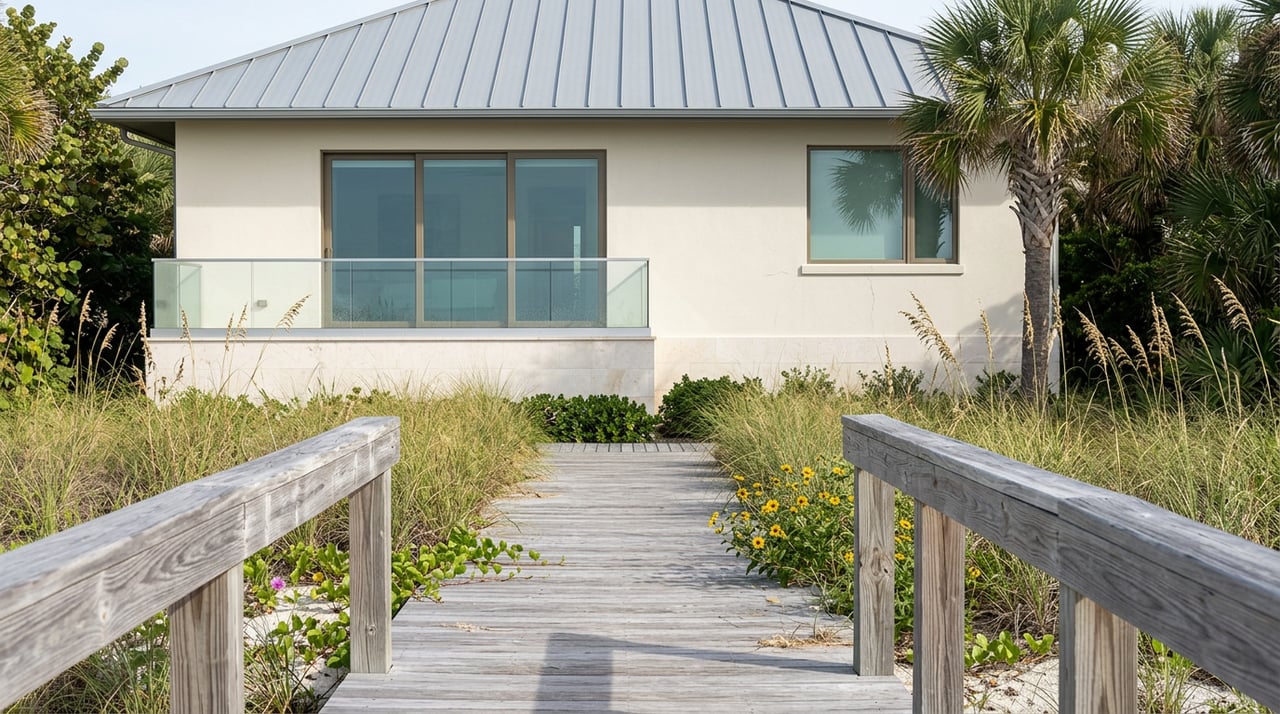
Gulf frontage provides direct beach and dune access, but you should not expect private structures extending into the water. The usable experience is about swimming, sunbathing, walking the beach, and enjoying the view. Dunes are an important natural buffer that also factor into permits and possible insurance credits.
Privacy and microclimate
- Gulf side: open exposure, surf soundscape, and dramatic sunsets. It can be breezier and more exposed during storms.
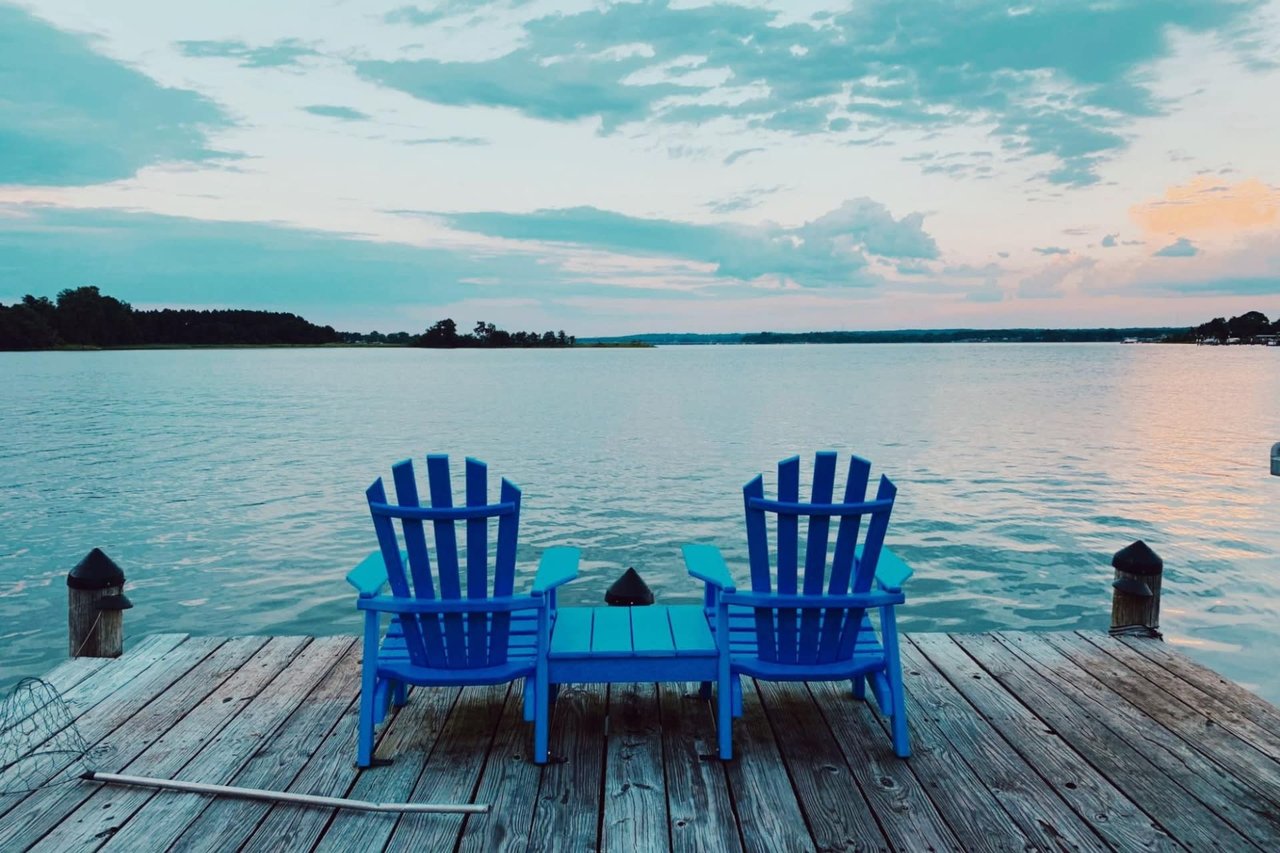
- Bay side: calmer water, sunrise light, and easier boating. Dock activity, on your property or nearby, can influence privacy.
Permitting, environment, and rules
Multi-agency approvals
Shoreline work like docks, seawalls, boat lifts, and boathouses often involves multiple approvals. Expect Sarasota County processes, Florida Department of Environmental Protection review, and in some cases U.S. Army Corps of Engineers permits. Local setbacks and flood-proofing standards apply to structures.
Beach and dune protection
Dune and beach modifications are regulated at county and state levels. Maintaining dunes matters for both resilience and potential insurance benefits. Plan improvements with preservation in mind.
Seagrass and submerged lands
Seagrass beds are protected, and their presence can limit where and how you build a dock. Some bay bottoms require state leases for Sovereignty Submerged Lands. A title review and site-specific survey will clarify rights and constraints.
Flood, surge, and insurance realities
Casey Key sits in a coastal flood zone with exposure to storm surge and sea-level rise. FEMA flood maps guide elevation requirements and insurance costs. Gulf-facing parcels commonly fall into higher-risk coastal categories, and bay-side parcels can also experience surge and tidal flooding.
Budget for higher wind, hurricane, and flood insurance costs, plus maintenance for seawalls, docks, dune care, corrosion-resistant materials, and elevated construction. Some buyers self-insure, but it is wise to obtain current quotes and understand availability in the private market.
How orientation shapes use and value
Beach-focused living
If sunsets, surf, and a private stretch of sand drive your lifestyle, a gulf-forward orientation will feel natural. You will trade dock convenience for maximum beach immersion.
Boater-focused living
If daily boating, fishing, and protected waters come first, a bay-forward orientation with a well-designed dock and lift will be your priority. You still enjoy short access to your beach if you hold a true gulf-to-bay parcel.
Dual frontage advantages
Gulf-to-bay ownership gives you the flexibility to split uses. Owners often place the main house on the gulf and a guest cottage or boathouse on the bay, or they orient the home to the bay and step across to a private beach. That flexibility appeals to high-net-worth buyers and can support premium pricing.
Resale and liquidity
Both gulf and bay frontages carry premiums for different reasons. Properties that blend beachfront with usable private dockage can attract a focused, motivated buyer pool. Over time, external factors like flood mapping, insurance markets, and limits on shoreline hardening or docks can influence demand and carrying costs.
Buyer due diligence checklist
- Verify shoreline ownership, including rights to submerged lands and any recorded easements.
- Confirm permits and status for docks, seawalls, and boathouses, and check for any code actions.
- Obtain current FEMA flood zone information and, if available, an elevation certificate.
- Request multiple insurance quotes for wind and flood coverage.
- Engage a marine contractor or coastal engineer to evaluate dock feasibility, seagrass presence, channel depth, and seawall condition.
- Review county setbacks, dune protection rules, and any special overlays that affect renovation or replacement rights.
- Confirm utilities, including septic versus central sewer, and how that affects expansion plans.
Matching layout to your lifestyle
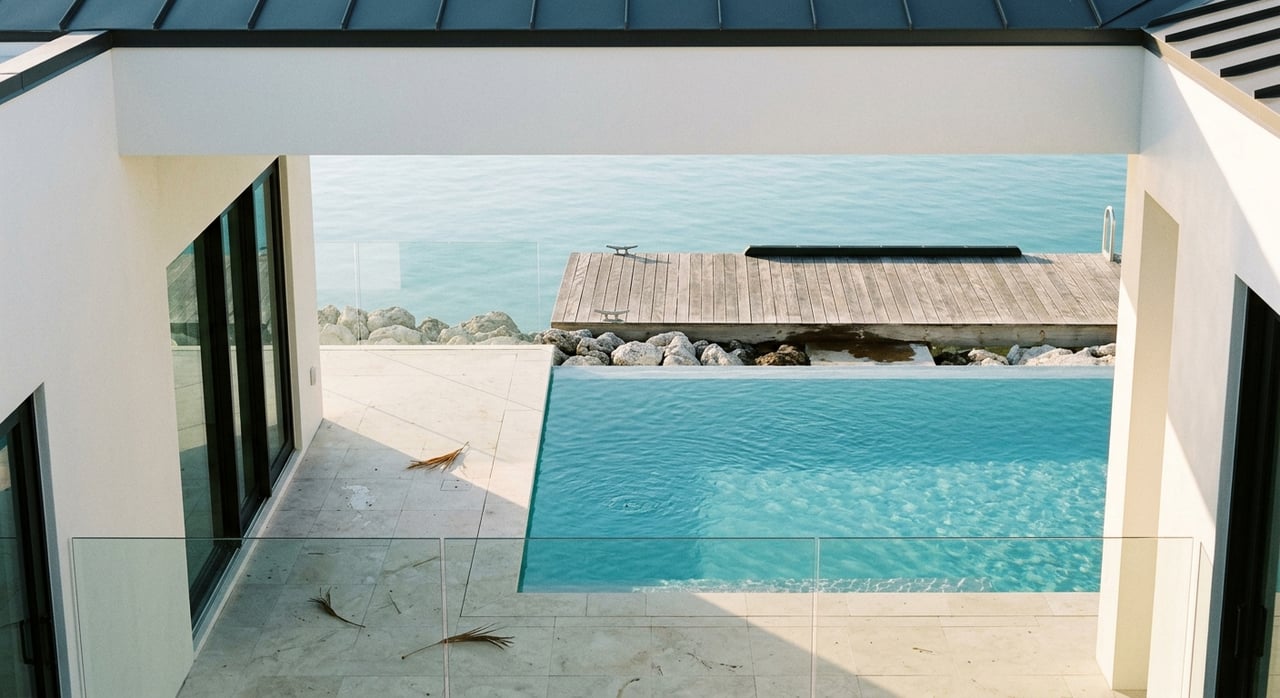
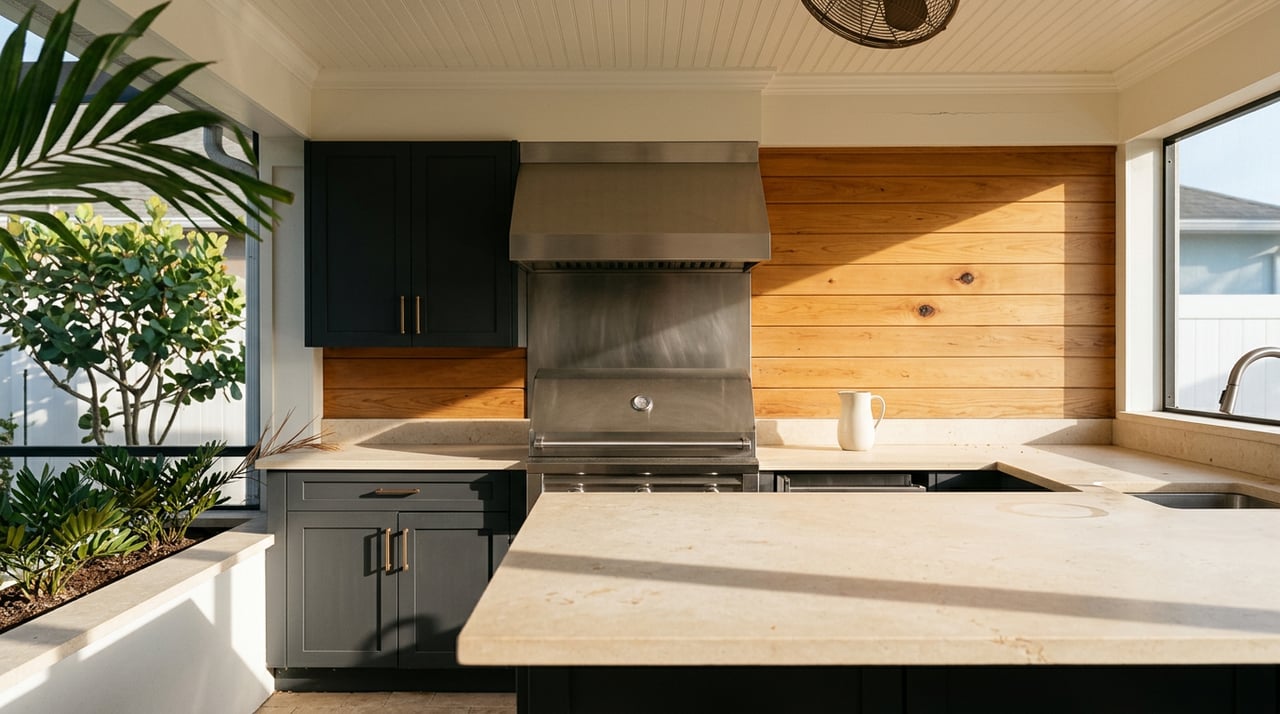
Start with how you will use the property most days. If a tender or sportfish leaves the dock most mornings, place boat access at the center of your plan and keep guest circulation separate from boat operations. If your ideal day starts and ends on the sand, design the main living and pool to capture gulf light and views, and keep bay-side activity areas purposeful but out of sight.
For many second-home buyers, the best answer is a two-structure approach. It preserves privacy, separates owner and guest zones, and allows you to optimize each shoreline for what it does best.
Ready to explore Casey Key?
If gulf-to-bay living is on your list, you deserve guidance from a team that lives and breathes Sarasota’s waterfront. The Ackerman Group brings multi-decade local knowledge, a proven record with coastal estates, and a white-glove process from search to close. Start a private conversation with The Ackerman Group to explore options on Casey Key.
FAQs
Can you build a private dock on Casey Key?
- Possibly, but it depends on your shoreline rights, seagrass presence, channel depth, and permits from county and state agencies; consult a marine contractor early.
Which sells for more on Casey Key, gulf or bay frontage?
- Both carry premiums for different reasons, and true gulf-to-bay parcels often command extra value because they combine beach exposure with usable dockage.
Are true gulf-to-bay lots common on Casey Key?
- No, contiguous lots with practical, permitted access to both sides are less common and are often more valuable.
What are the biggest long-term risks for Casey Key estates?
- Coastal flooding, storm surge, sea-level rise, rising insurance costs, and evolving limits on shoreline structures and docks.
What inspections and records should you review before closing on a gulf-to-bay property?
- Title and shoreline rights, permit and violation history, elevation certificate, seawall and dock condition, and a site assessment for seagrass or shoal constraints.