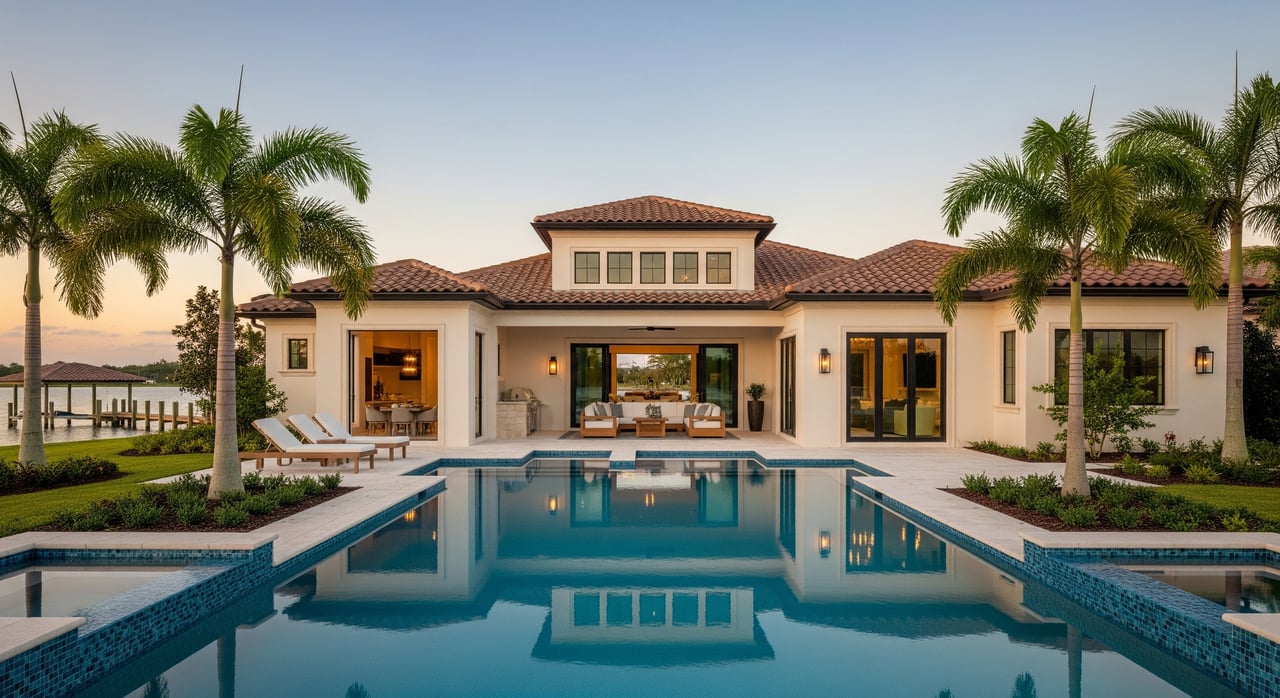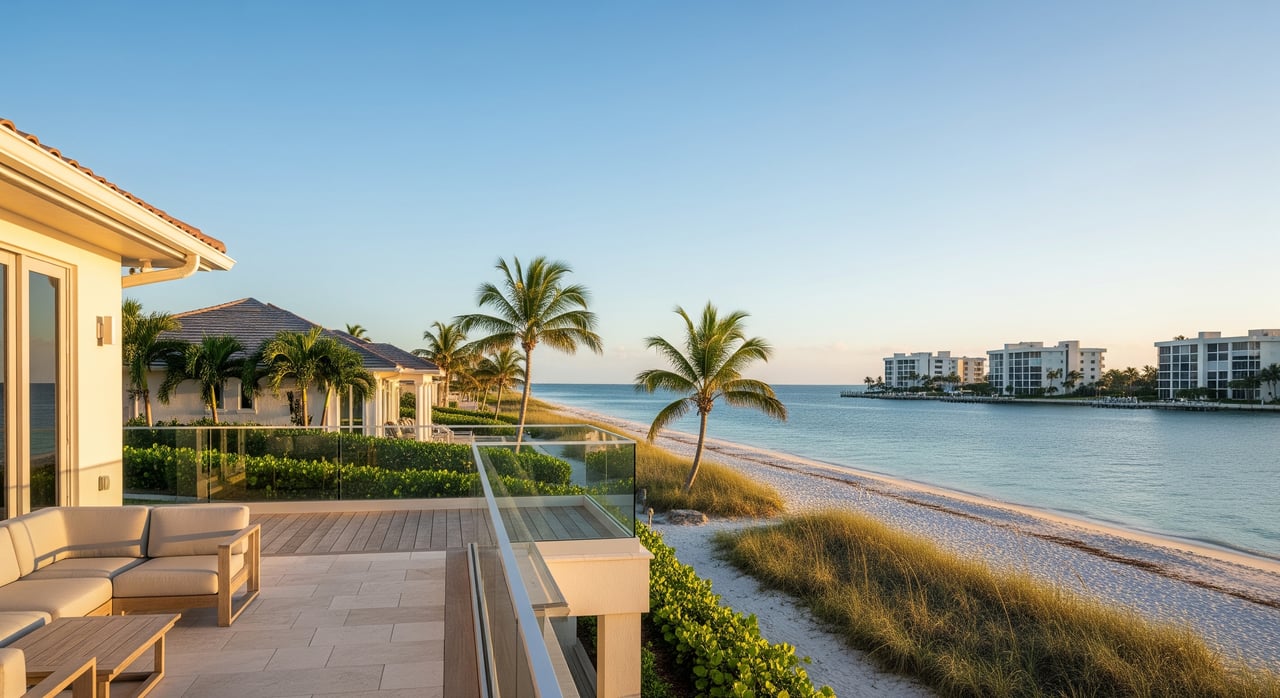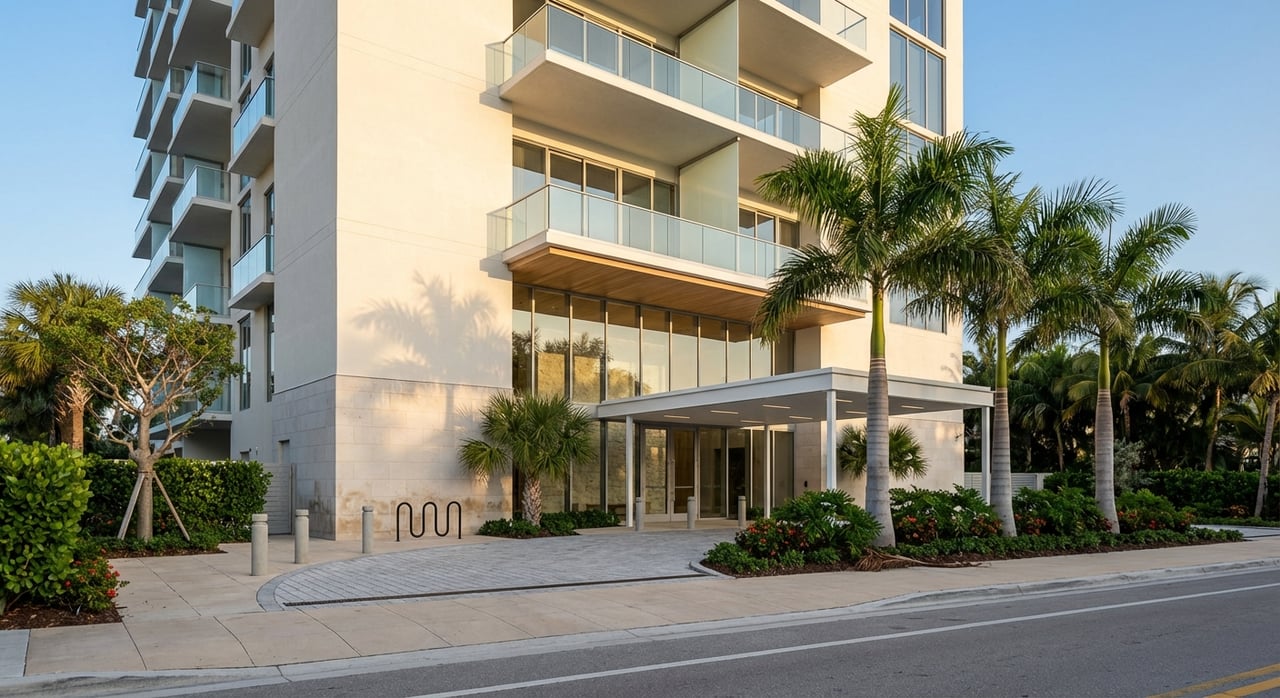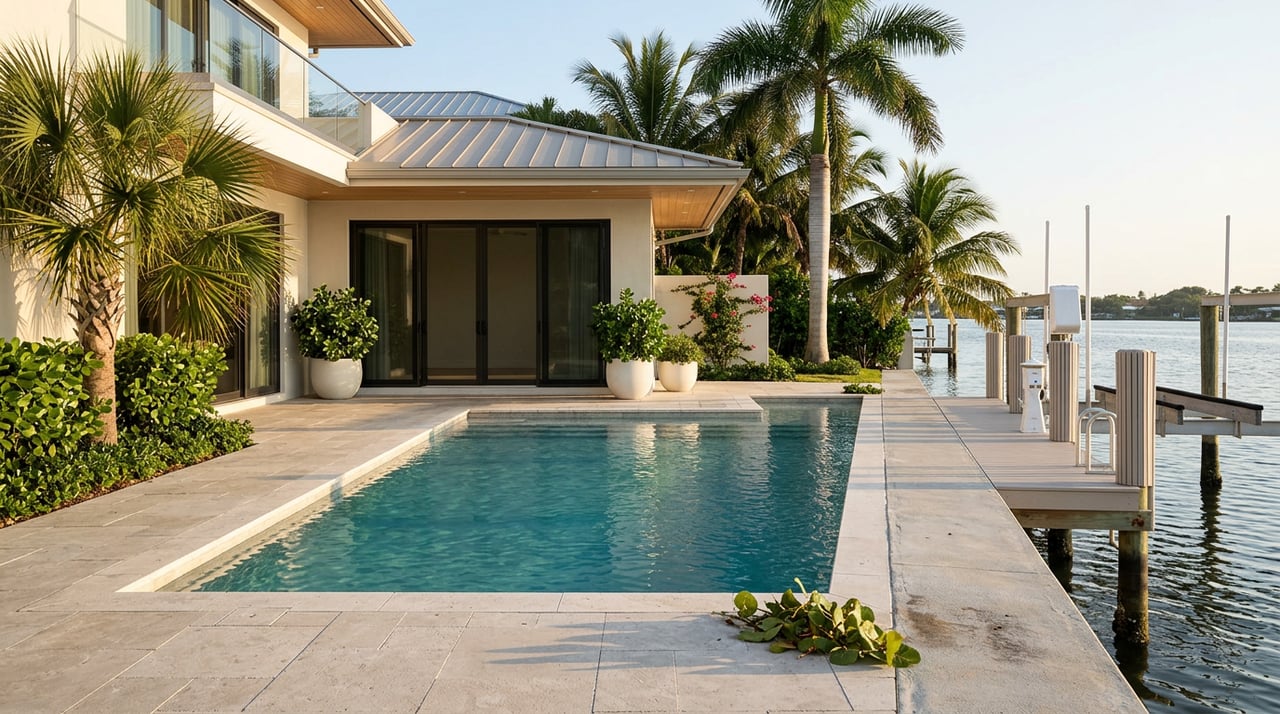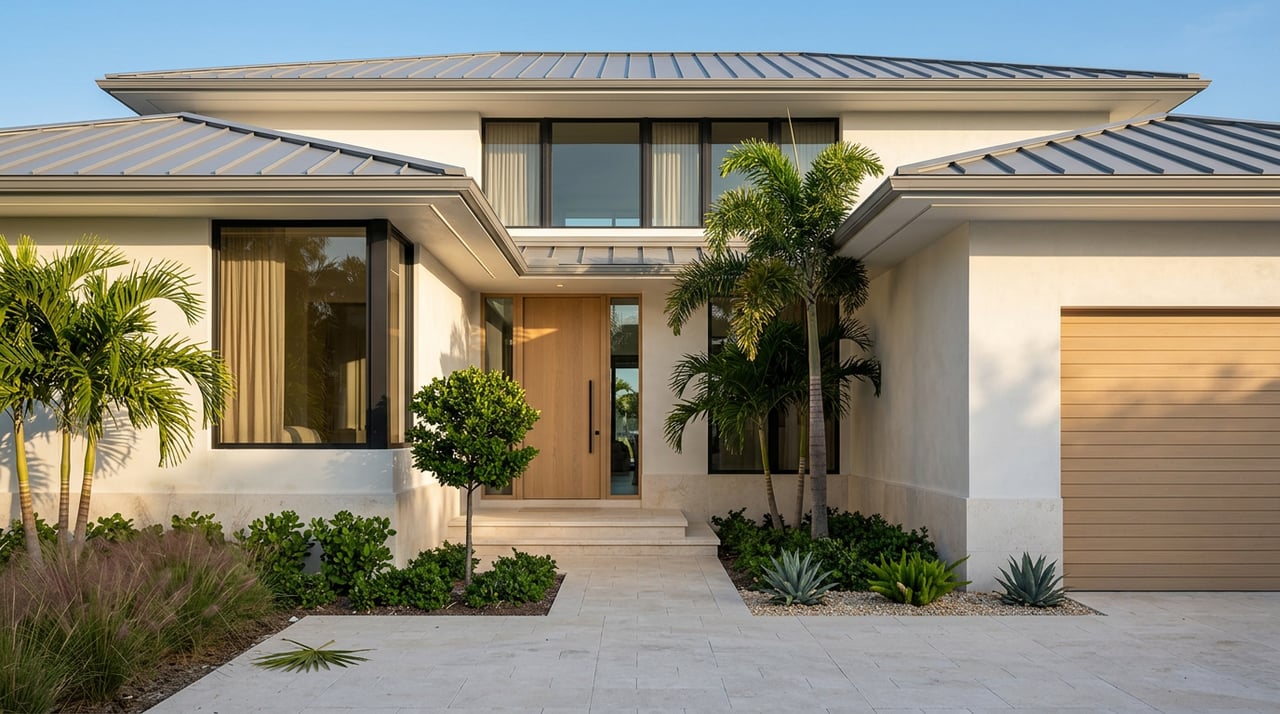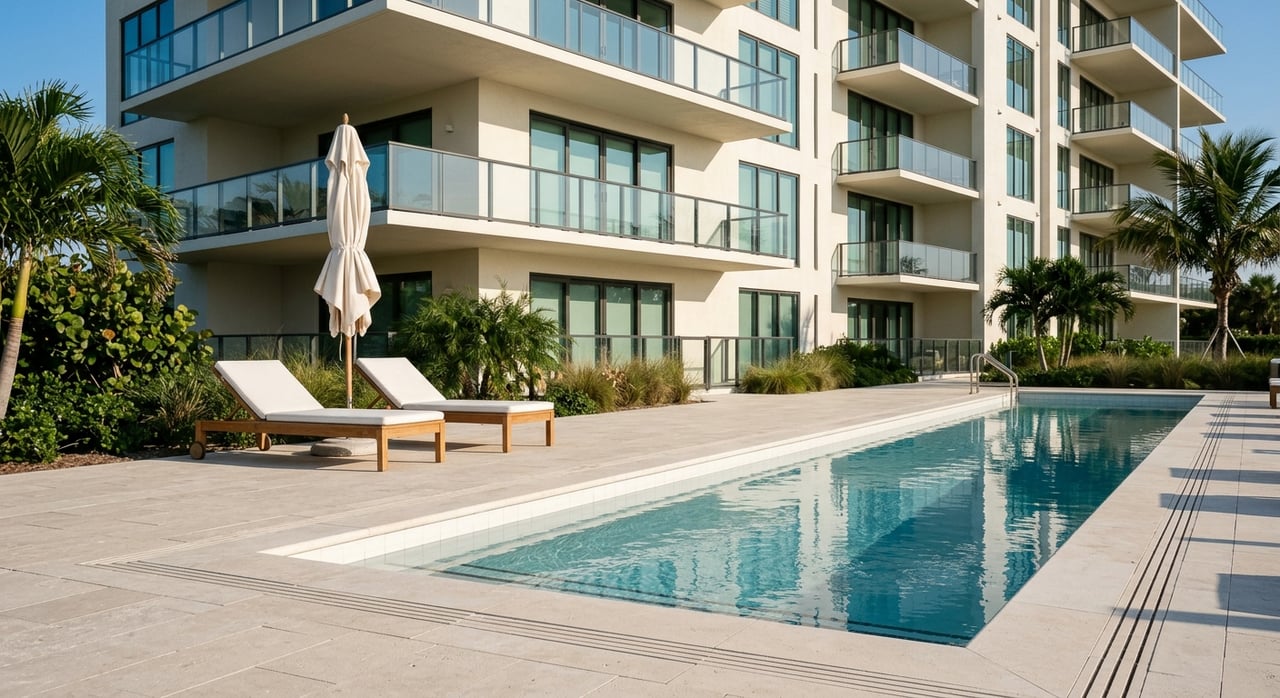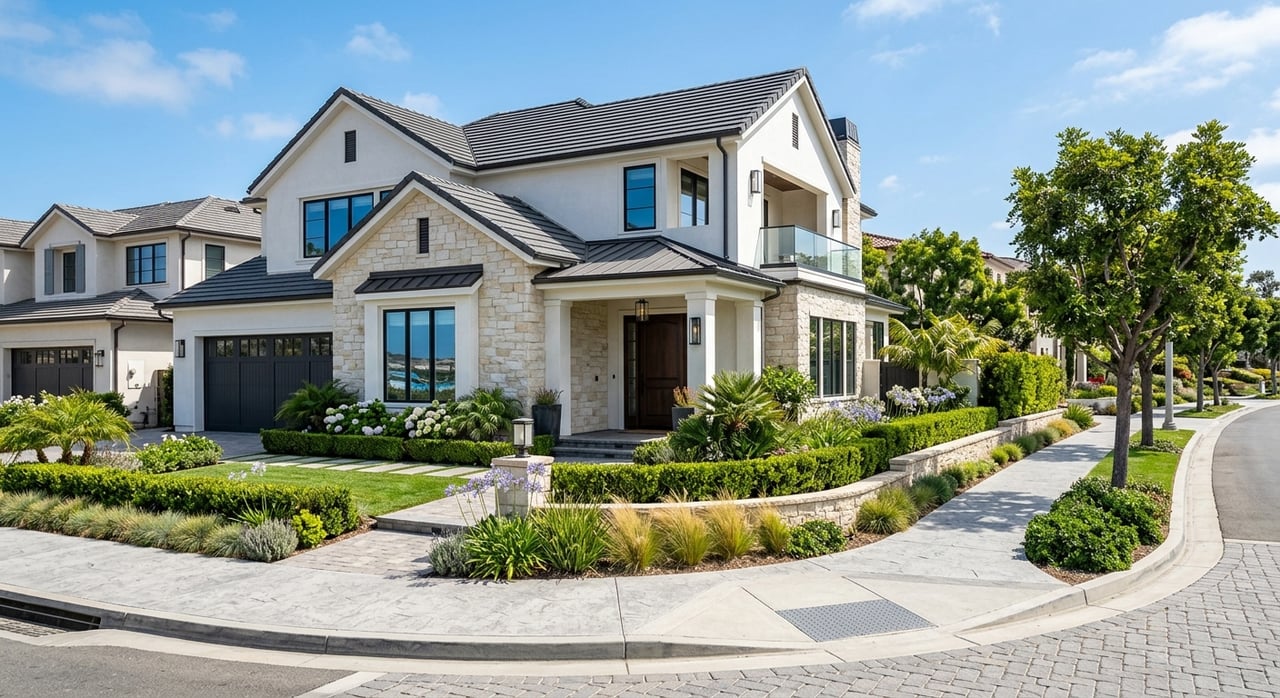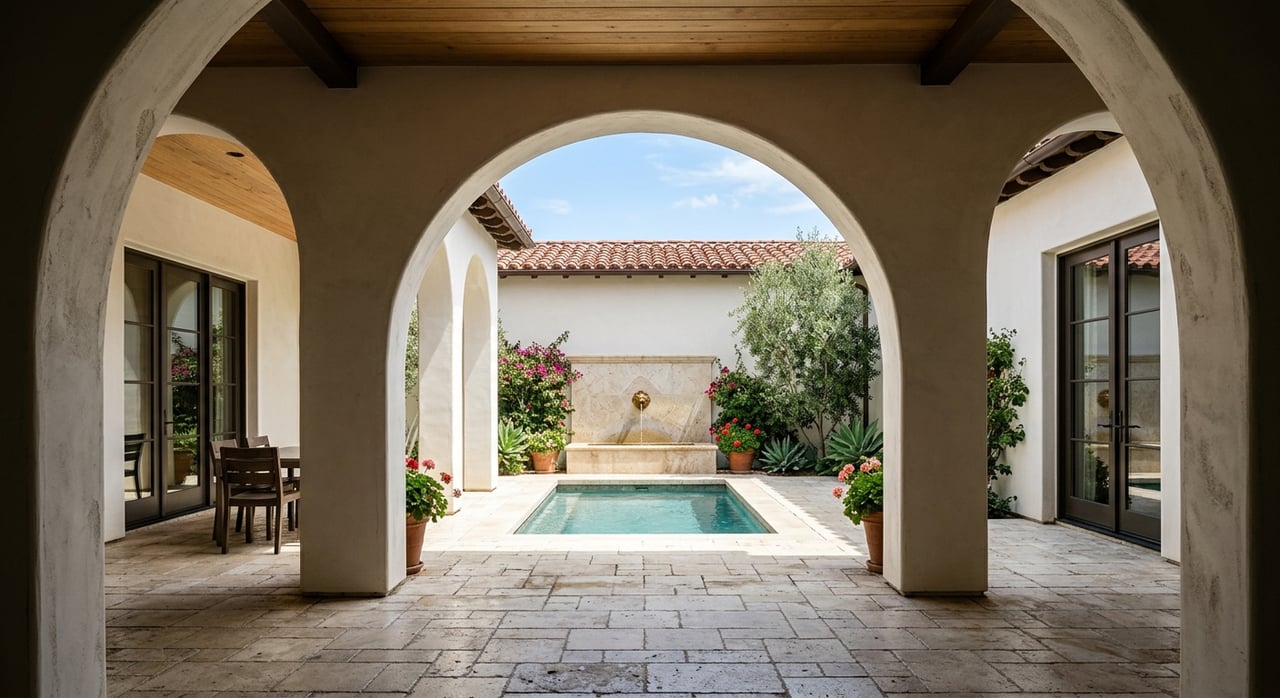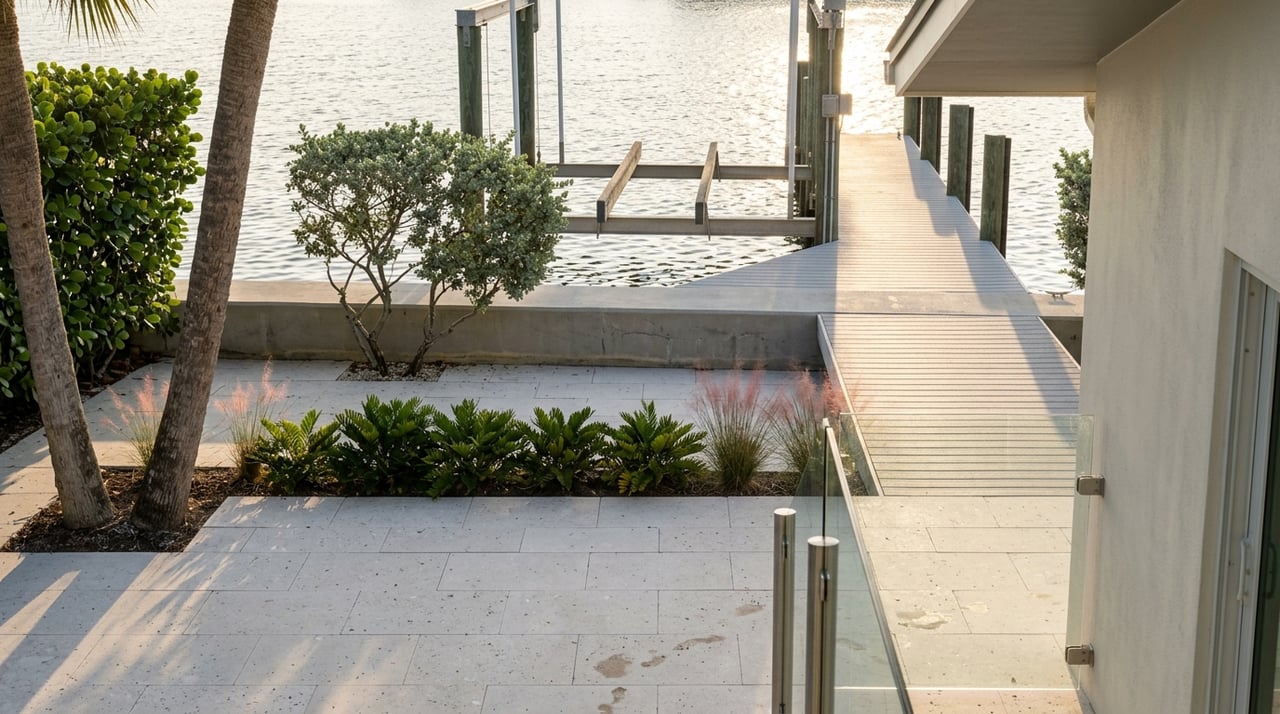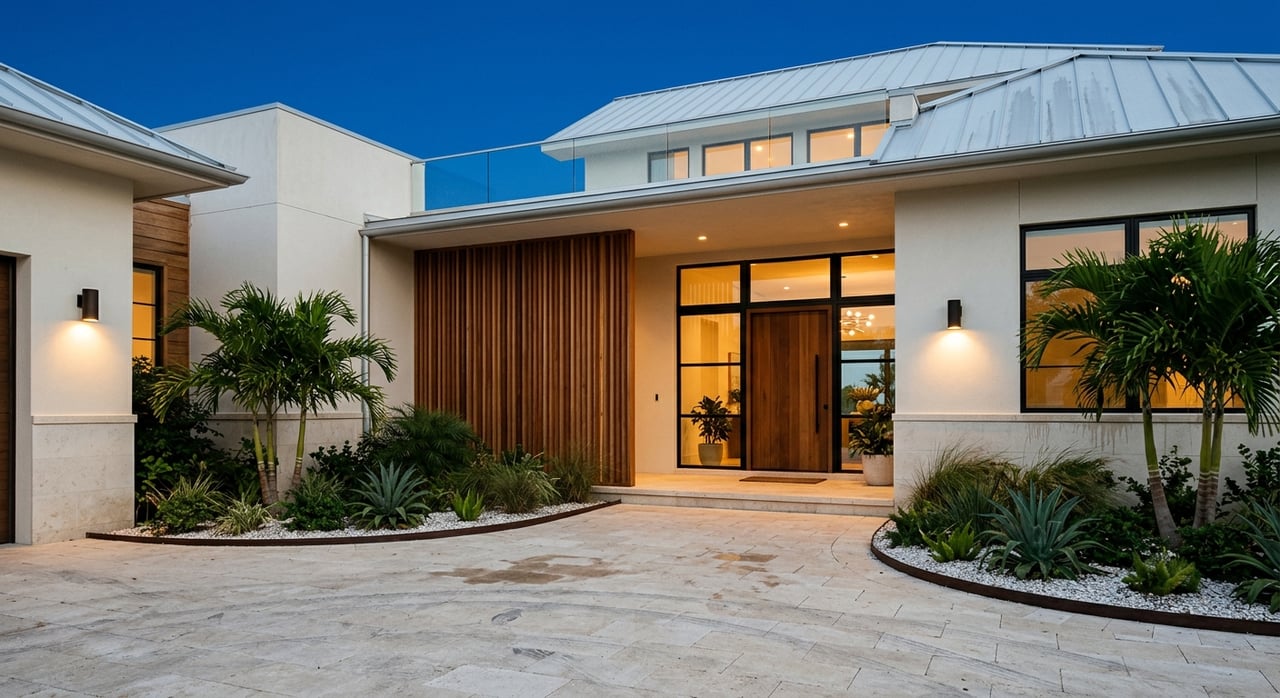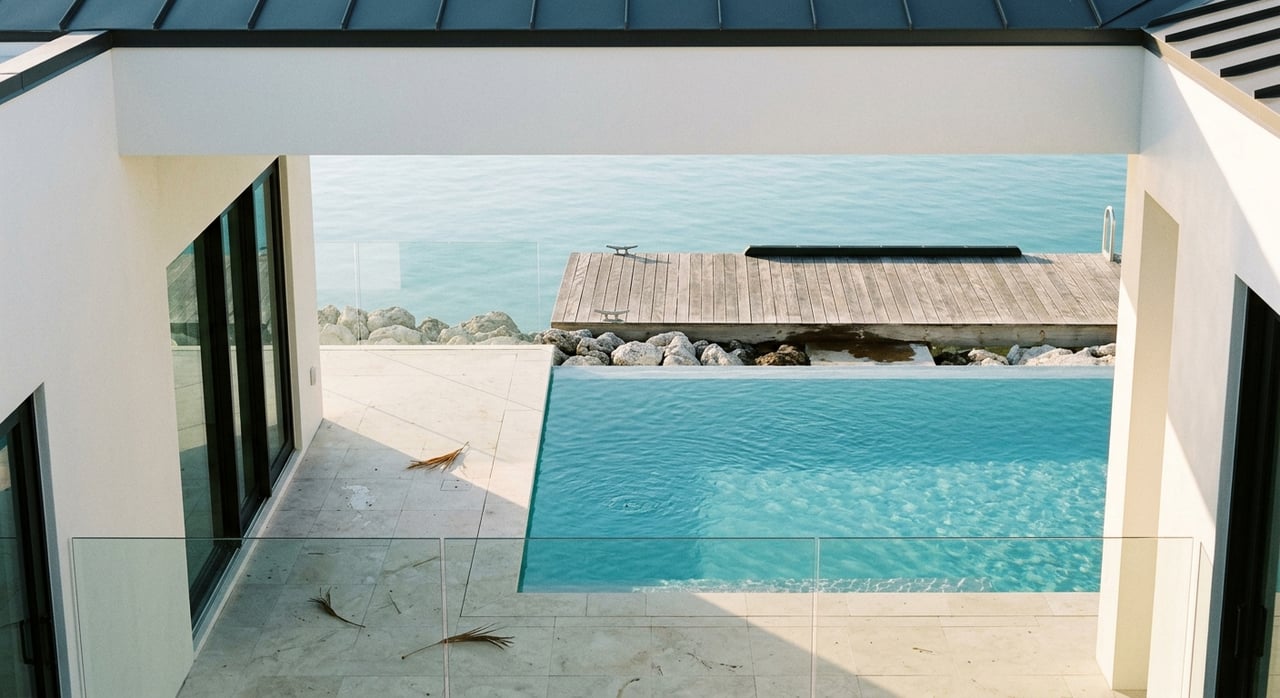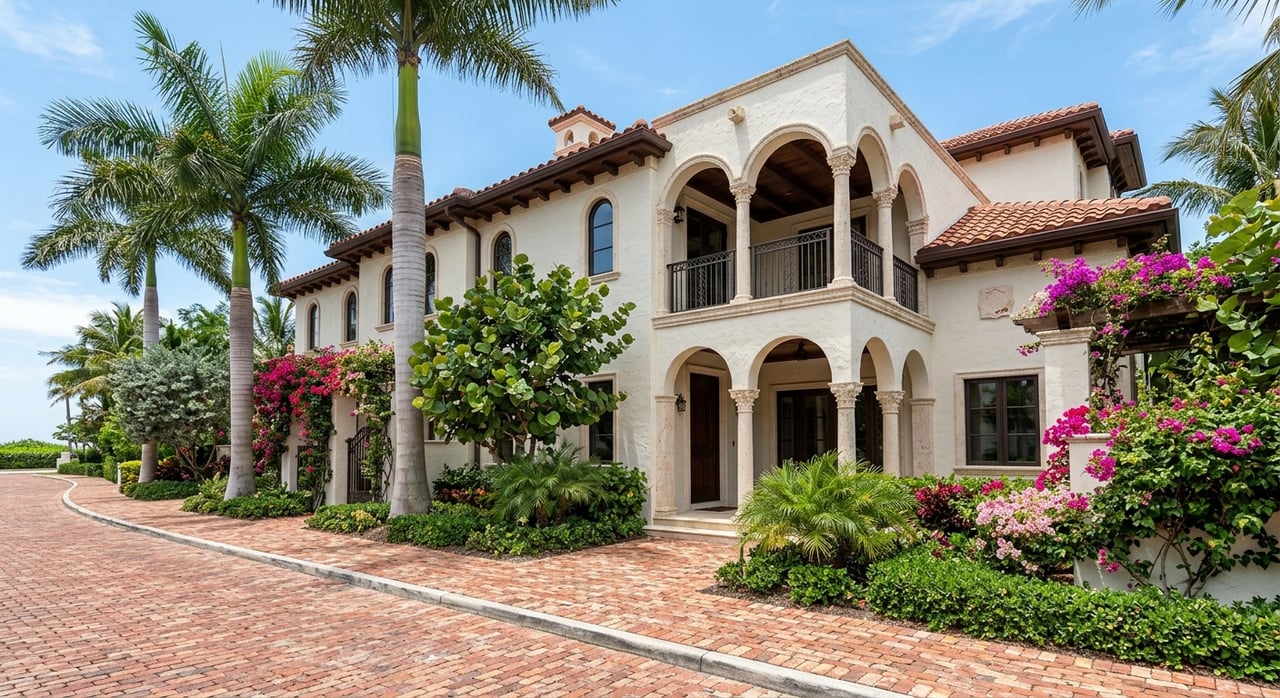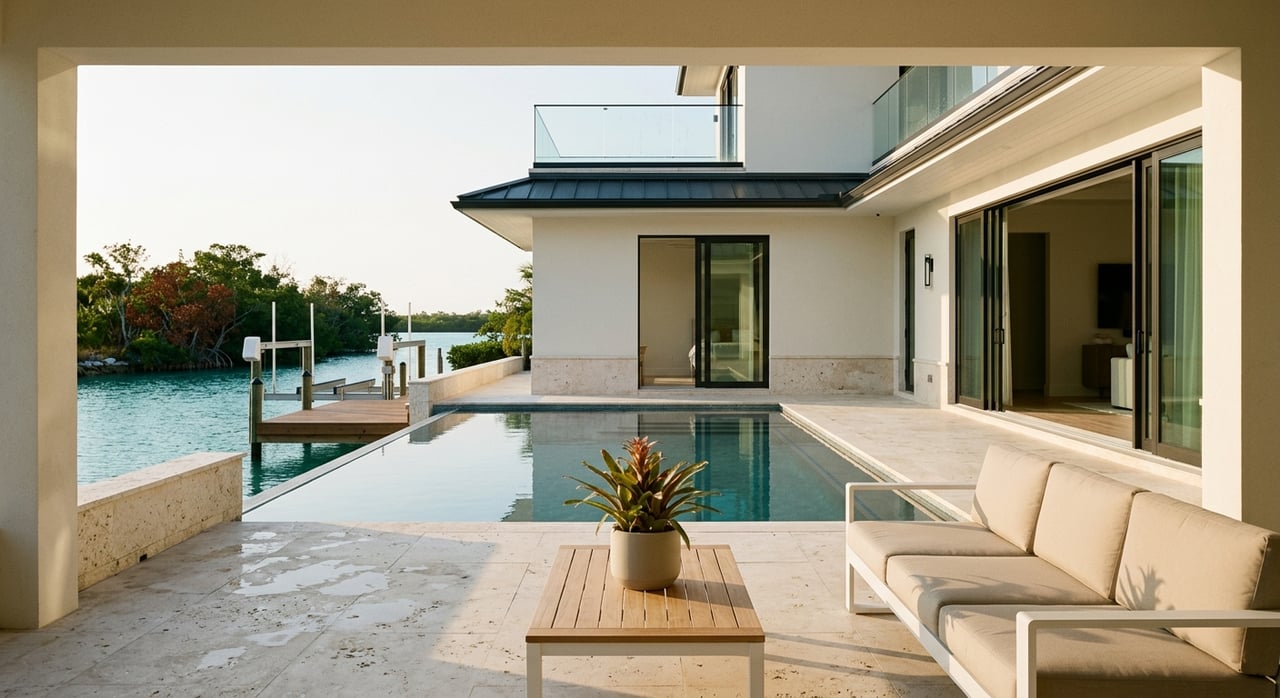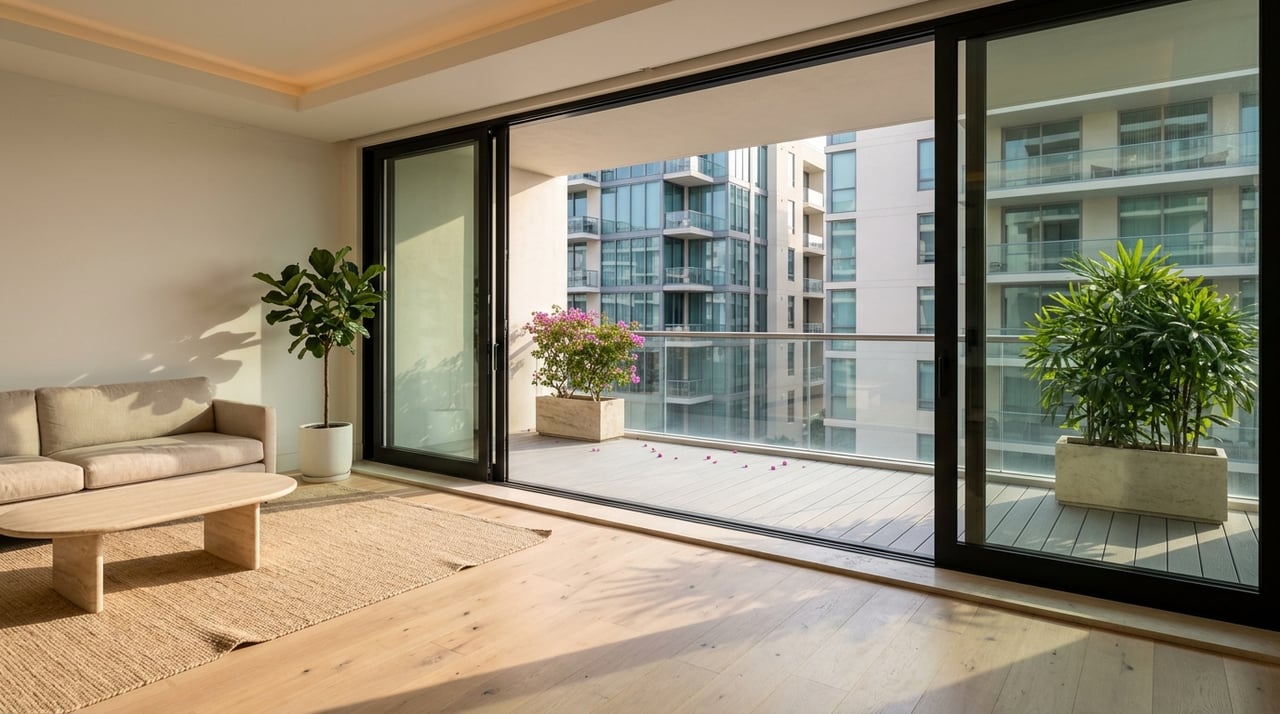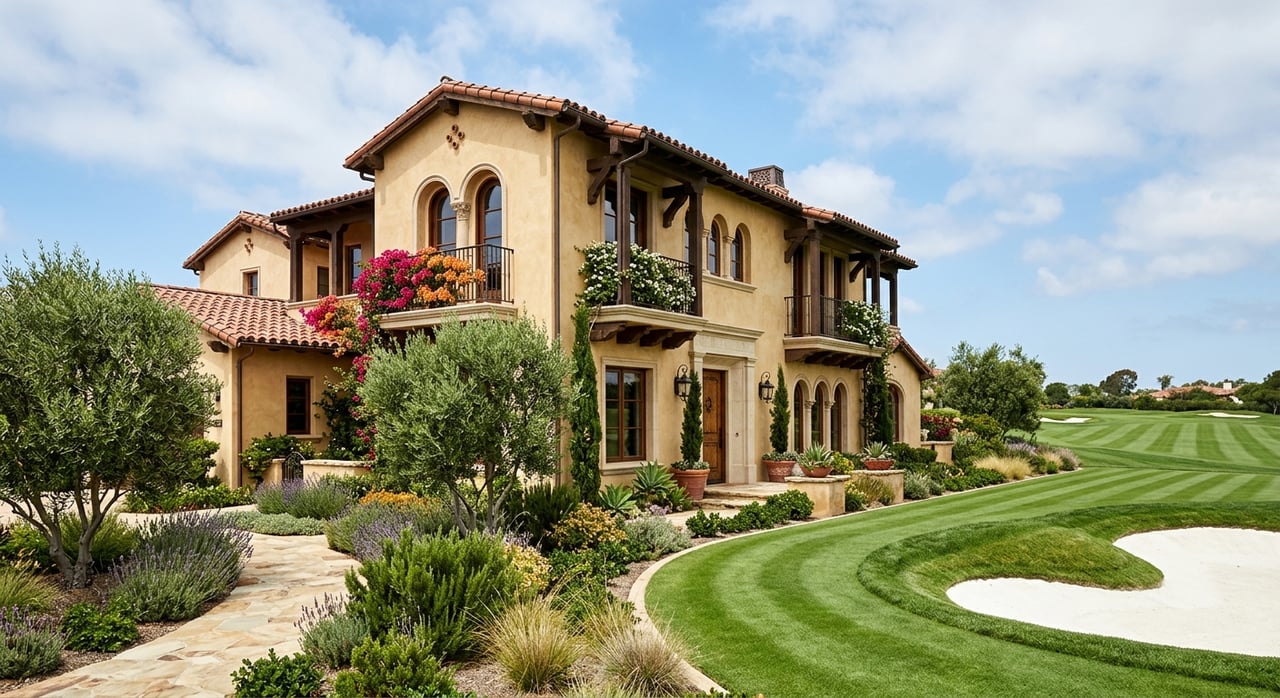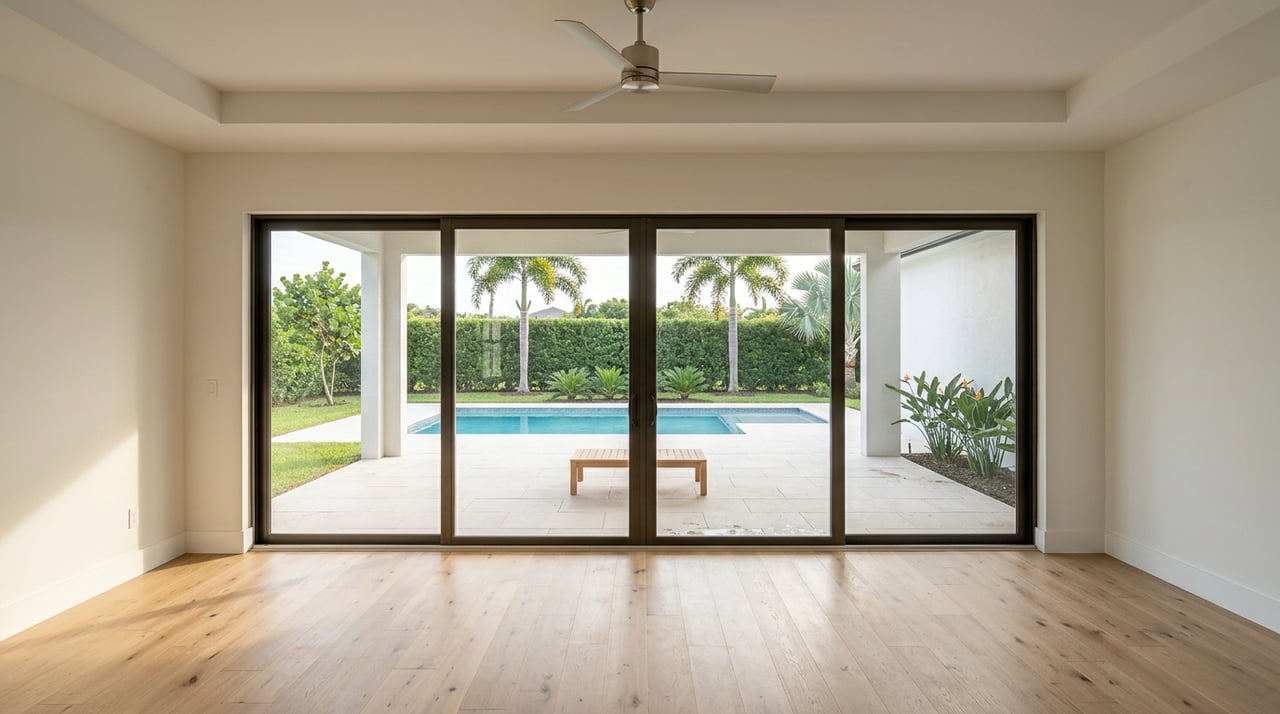
Choosing a home in Lakewood Ranch can feel like choosing a lifestyle. You might want a walkable town-center vibe, a quiet street with a backyard, or a resort-style club experience. If you are relocating or moving within the area, you want clarity on daily life, not just pretty photos. In this guide, you will learn how the major village types in Lakewood Ranch stack up for everyday living, including amenities, HOA and CDD structures, schools, commute patterns, walkability, and club access. Let’s dive in.
Lakewood Ranch overview
Lakewood Ranch is a large master-planned community that spans parts of Manatee and Sarasota counties. It is organized into many distinct villages around hubs like Main Street and the Waterside area. Each village offers its own housing types, amenities, and fee structures, so the right fit depends on how you plan to live day to day.
Most villages have a homeowners association. Some parcels also sit within a Community Development District that appears as a separate line on the county tax bill. Certain enclaves include private club membership with initiation fees and ongoing dues. Because of these layers, it is smart to compare villages by type and exact neighborhood, not only by the broader Lakewood Ranch label.
How village types compare
Downtown and mixed-use
Examples include the Main Street and Waterside core.
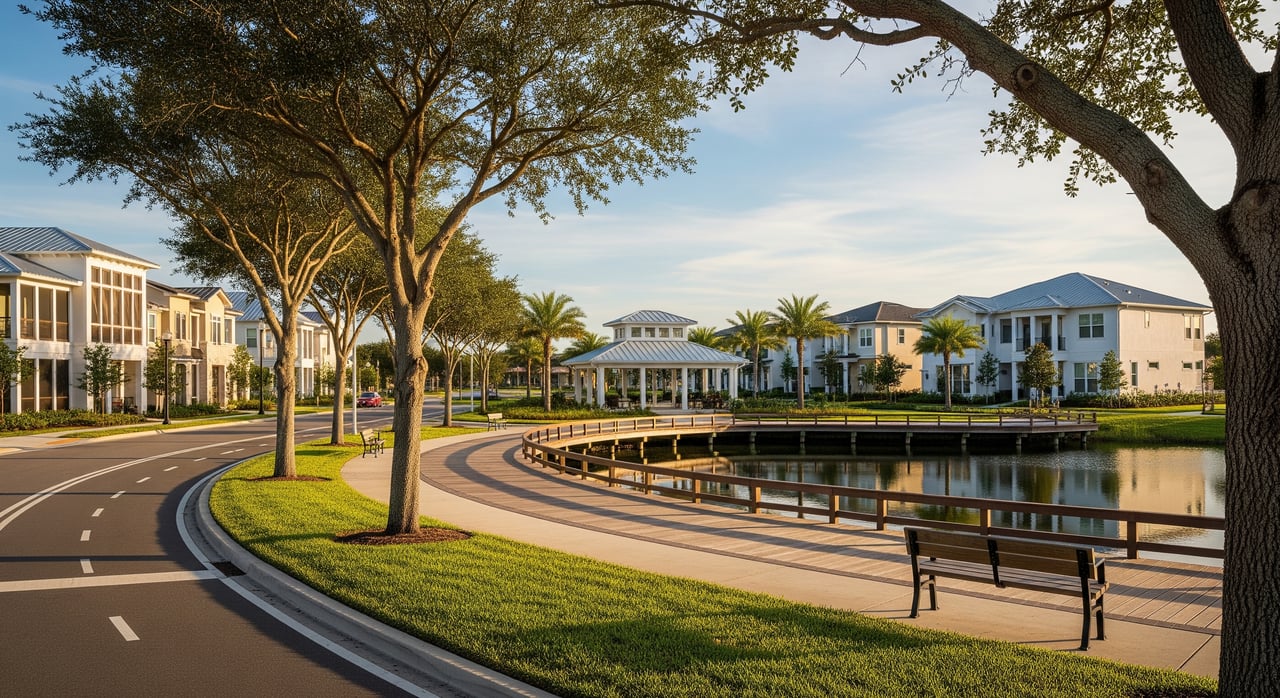
- Everyday feel: Walkable town center with restaurants, retail, parks, and events. You will see more foot traffic and denser streets.
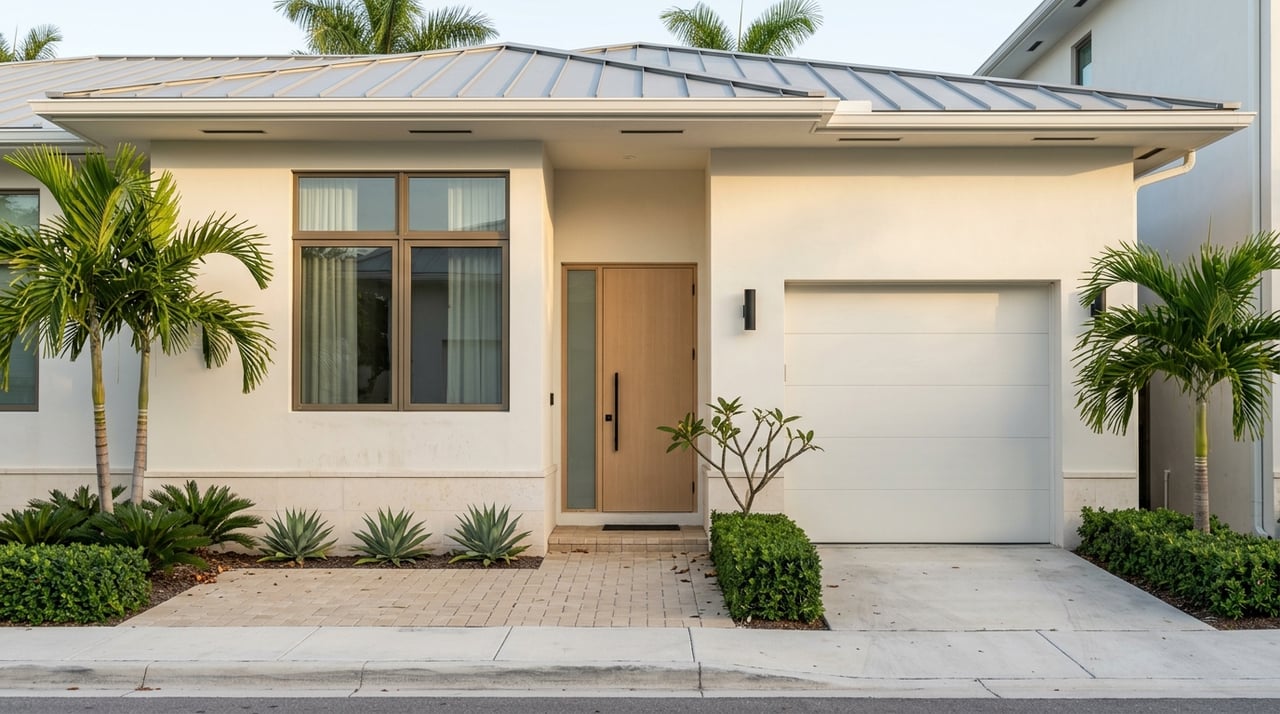
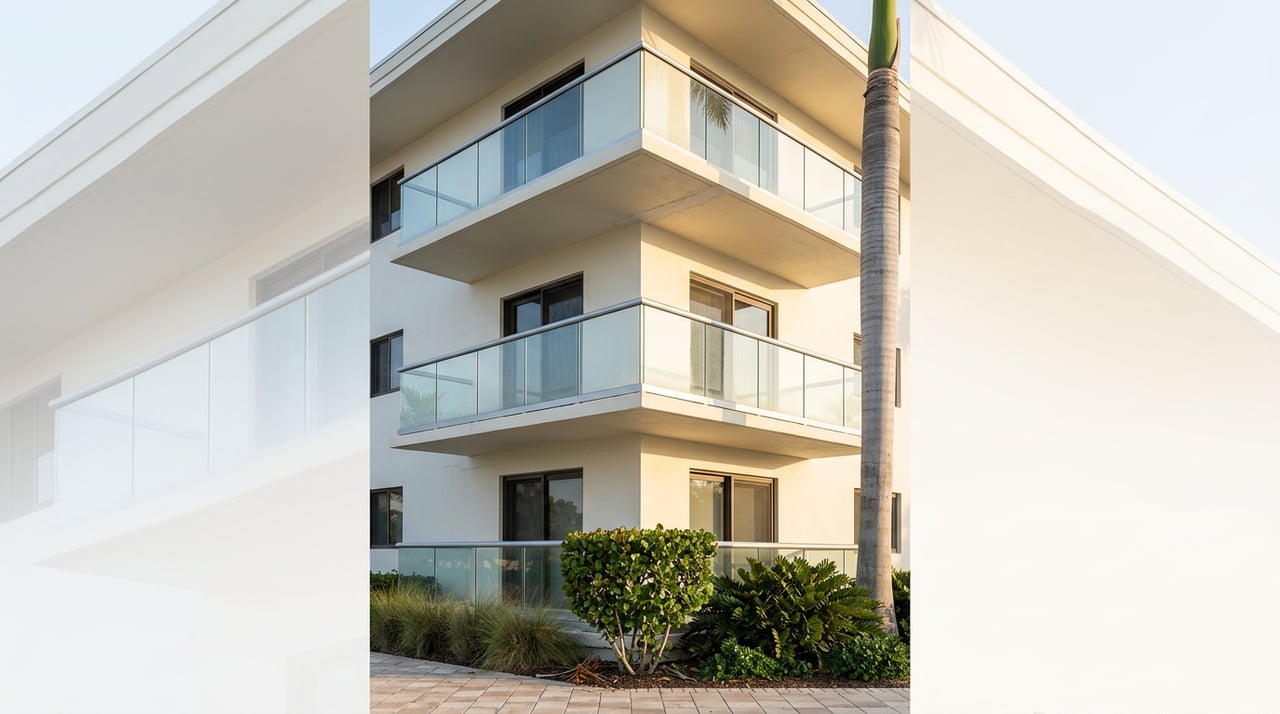
- Typical homes: Townhomes, condos, and some small-lot single-family homes. Newer vertical construction is common.
- Amenities: Immediate access to dining, shops, community programming, and green spaces.
- Fees and structure: HOAs for attached products are common. Some parcels may include a CDD assessment.
- Walkability: Highest in Lakewood Ranch. You can run more errands without a car.
- Best for: You want energy, convenience, and the option to leave the car parked.
Family-focused villages
These are classic single-family neighborhoods with community amenities.
- Everyday feel: Quiet streets, sidewalks, playgrounds, and neighborhood pools. Some villages are near or include schools.
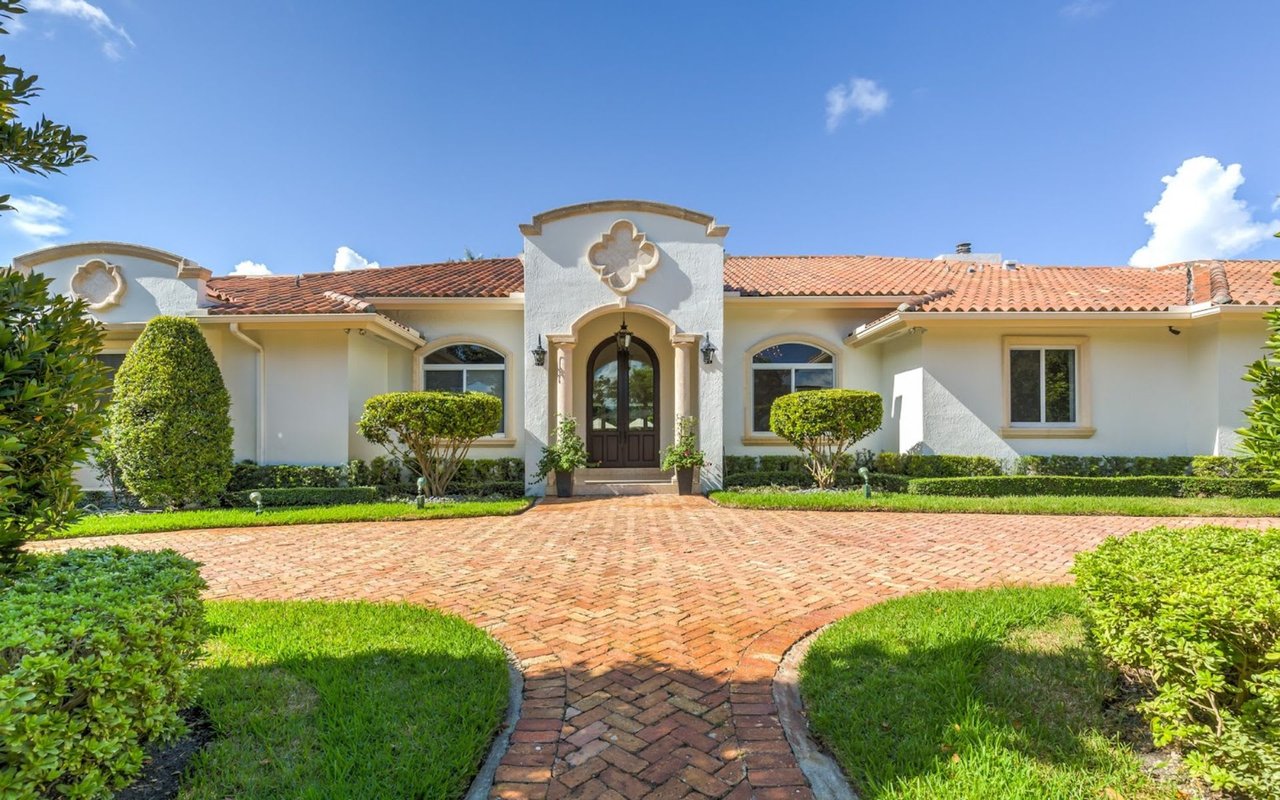
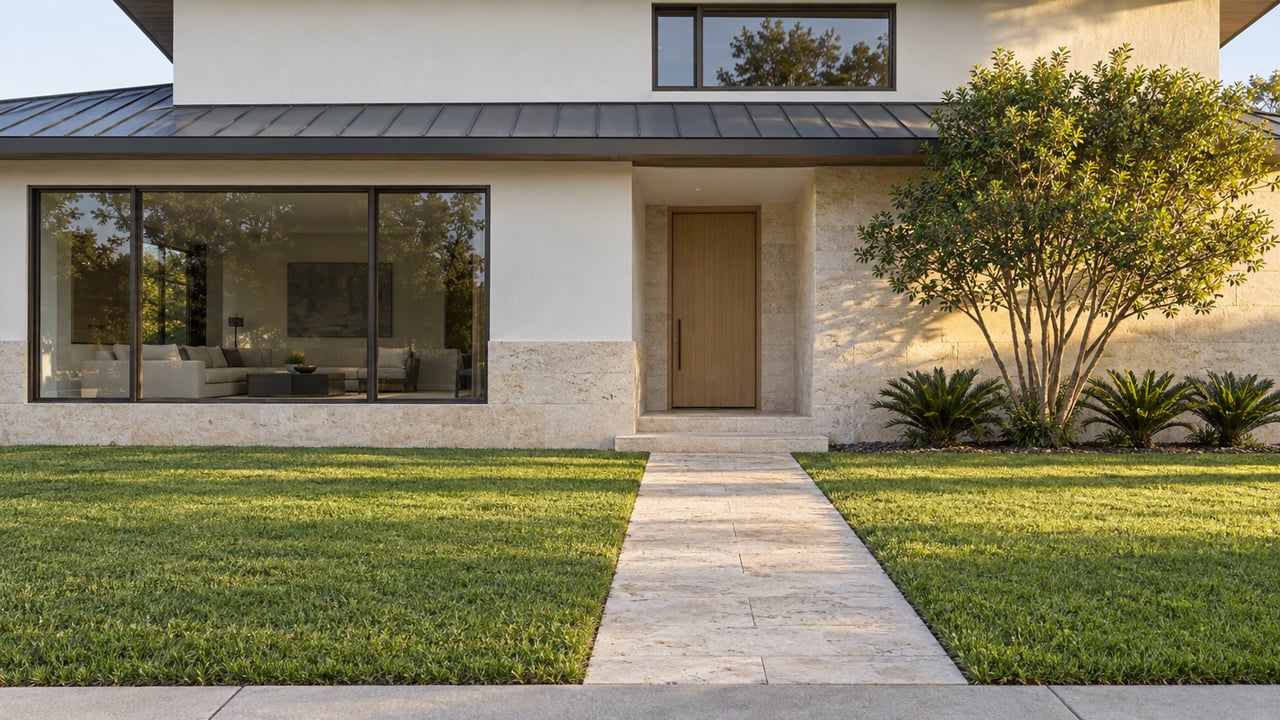
- Typical homes: A range from entry-level attached homes to single-family homes with yards and two or three-car garages.
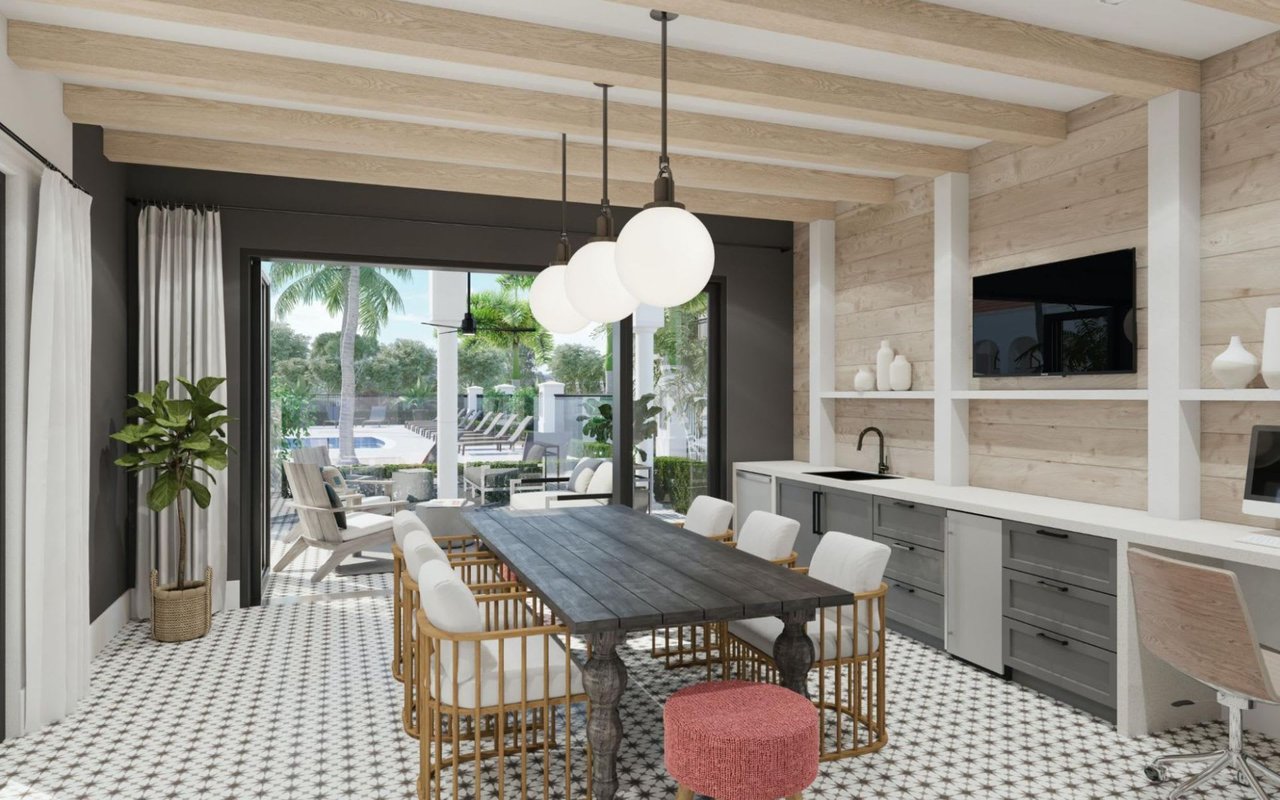
- Amenities: Pool, clubhouse, parks, and trail connectivity. Sports fields are nearby in many areas.
- Fees and structure: Standard HOA dues. Many include CDD assessments that fund infrastructure and appear on the tax bill.
- Walkability: Moderate within the village. Most errands will still require a car.
- Best for: You want a yard, neighborhood amenities, and a more traditional suburban rhythm.
Golf and club enclaves
These include private golf and country club communities.
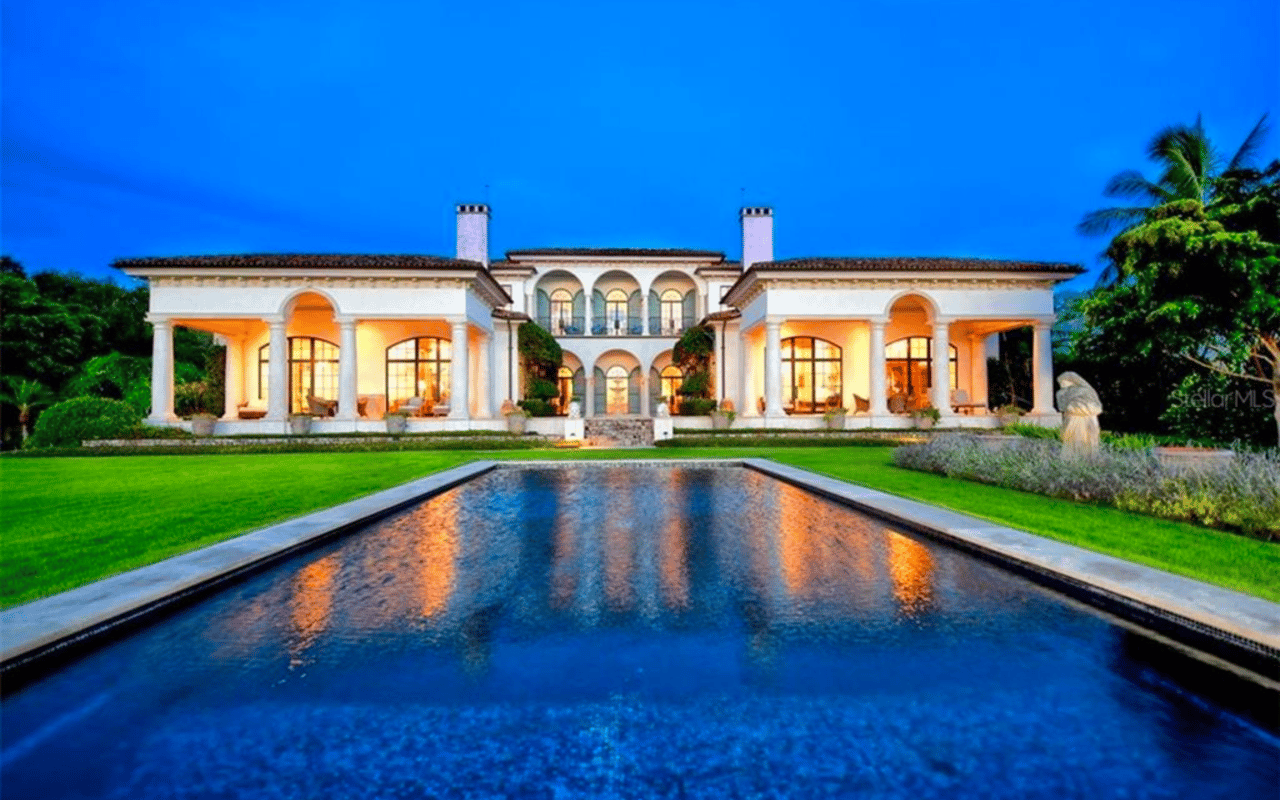
- Everyday feel: Resort-style living with gated entries, concierge-style programming, and dining at the clubhouse.
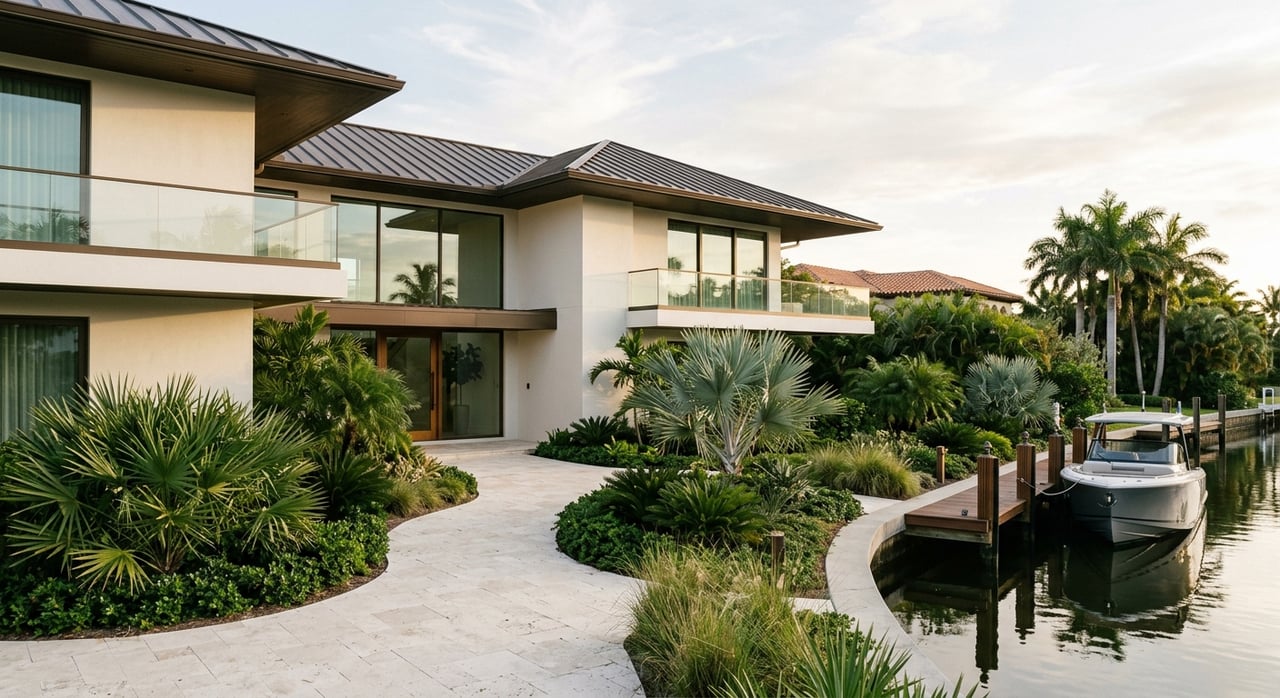
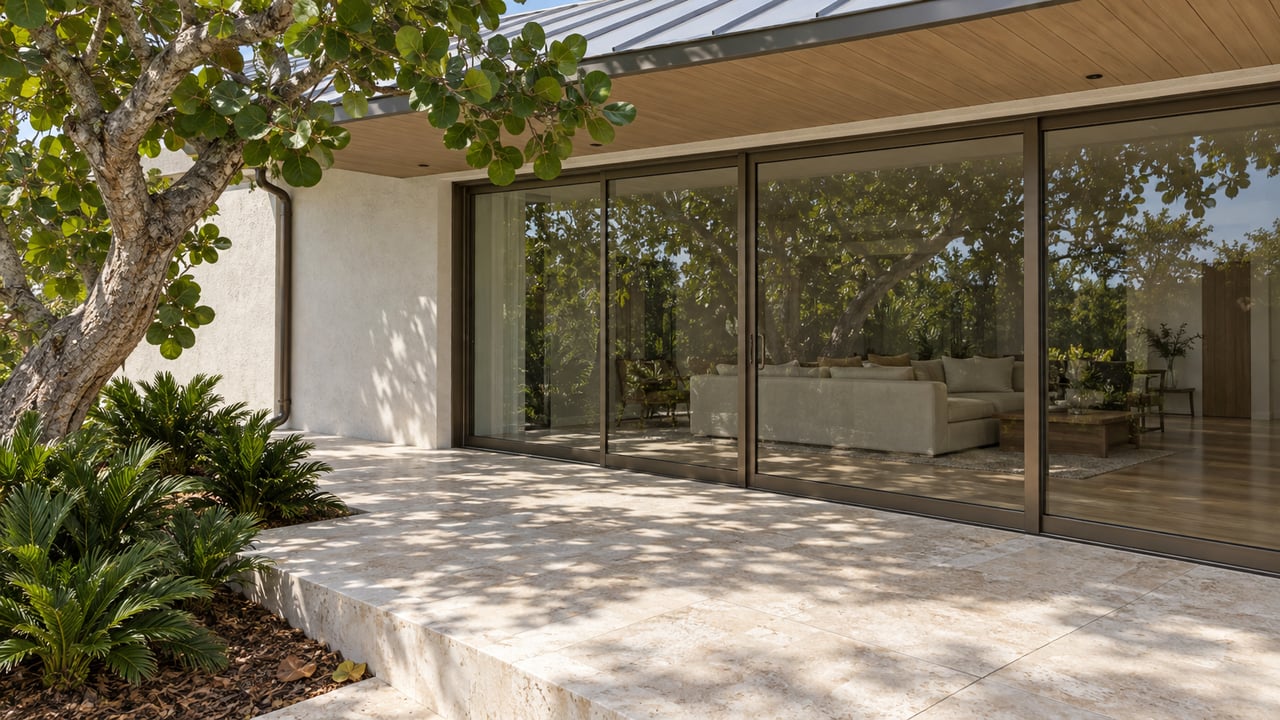
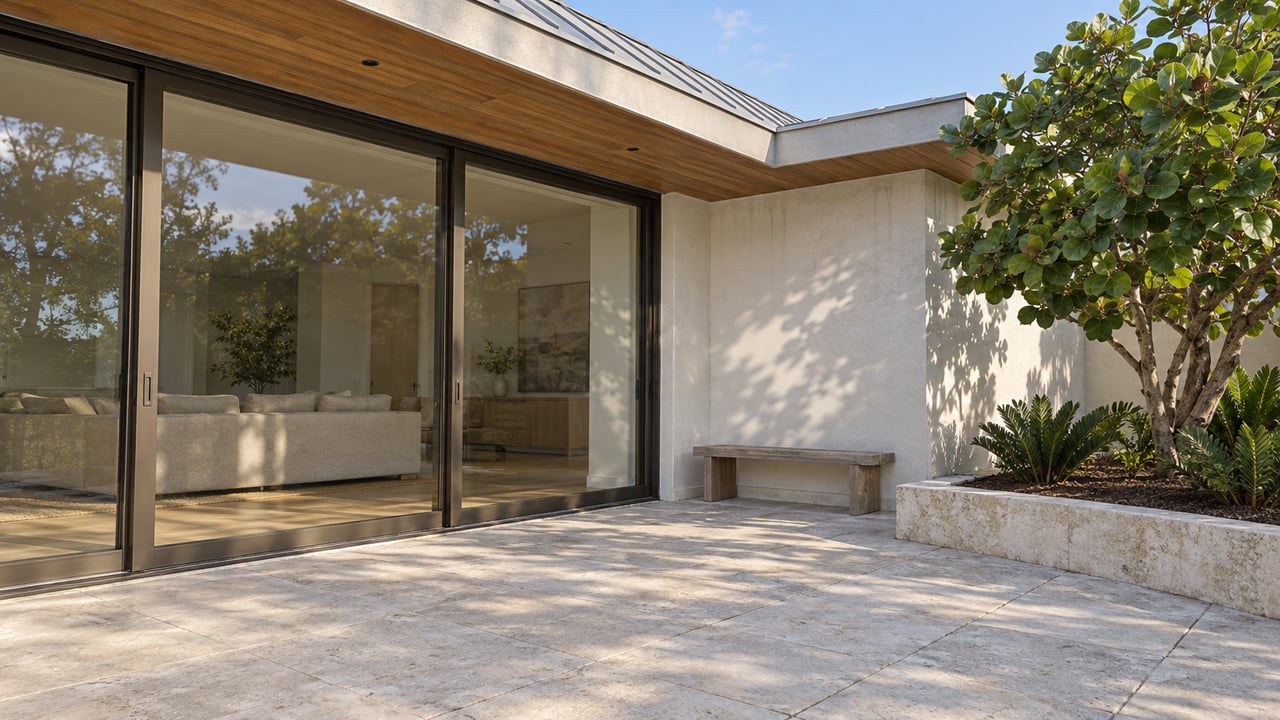
- Typical homes: Higher price points, often semi-custom or custom single-family homes and estates on larger lots.
- Amenities: Private golf courses, tennis and pickleball, fitness and spa, pools, and organized social events.
- Fees and structure: Higher HOA dues plus club initiation and monthly or annual dues. Some communities offer social or “spectator” memberships.
- Walkability: Good around amenities, low for daily errands.
- Best for: You want an active club lifestyle with access to private facilities.
55 plus communities
Age-restricted villages designed for active adult living.
- Everyday feel: Social, organized clubs, and planned activities centered on an amenity campus.
- Typical homes: Single-level homes, villas, and patio homes with low-maintenance exteriors.
- Amenities: Fitness centers, resort pools, event spaces, and walking trails within the village.
- Fees and structure: Active HOAs that fund amenities. CDDs may or may not apply depending on the parcel. Age rules and resale restrictions vary by community.
- Walkability: High within the village for amenities. Most errands still require a car.
- Best for: You want a lock-and-leave lifestyle and a built-in social calendar.
New construction vs. established resale
- Everyday experience: New communities offer modern floor plans, smart-home features, and warranties. Established pockets feature mature landscaping and varied architectural styles.
- Cost and timing: New builds can have higher per-square-foot pricing and builder option costs, plus longer timelines. Resales can allow faster move-ins and negotiation on updates.
- Ongoing ownership: New homes come with builder warranties and scheduled service visits. Resales focus on inspection findings, repair credits, and upgrade planning.
What to check before you choose
Schools and assignments
Lakewood Ranch spans two counties. School assignments depend on your exact address.
- Confirm your assigned elementary, middle, and high schools using the county boundary tools.
- Review Florida Department of Education report cards for neutral performance indicators.
- Consider magnet or choice options and proximity to private schools if you are exploring alternatives.
Use neutral, factual criteria when comparing schools. Focus on programs, commute, and schedule fit for your household.
Commute patterns and employment hubs
Plan around where you work and your common routes.
- Key hubs: Lakewood Ranch Medical City, downtown Bradenton, downtown Sarasota, and the University Parkway and I-75 corridor.
- Airports: Sarasota-Bradenton International Airport serves the area. Tampa International is further north.
- Tips: Map peak-hour drive times from specific addresses, not only from a village entrance. If you commute to Tampa or St. Petersburg, proximity to I-75 on-ramps can reduce daily drive time.
Walkability and daily errands
Most villages are car-oriented, with sidewalks and trails for recreation.
- Downtown and mixed-use areas offer the most walkable access to dining and events.
- For all other areas, plan for short drives to groceries, pharmacies, and coffee.
- Check distances to your daily stops and review street connectivity inside the village.
Amenities and recreation
Lakewood Ranch is known for parks, trails, sports fields, and year-round community events. Amenity access varies by village.
- Verify if your village has its own pool and clubhouse or if you will rely on master-planned parks and trails.
- For golf or country clubs, confirm whether membership is required and what access is included.
- Ask about programming calendars, fitness classes, and youth activities if relevant to your routine.
HOA, CDD, and club dues
Fees and rules can change how you live and budget.
- HOA: What is the monthly or annual amount and what does it cover, like lawn care, common areas, pools, exterior painting for certain products, and internet or cable packages.
- CDD: Check the tax bill for annual assessments that fund infrastructure and long-term maintenance obligations.
- Clubs: Clarify initiation fees, ongoing dues, food and beverage minimums, and whether membership is optional or tied to the property.
- Rules: Review architectural guidelines, rental policies, pet policies, transfer fees, and any capital contributions at closing.
Insurance and environment
Understand property-specific risk and coverage.
- Flood: Review FEMA flood maps and request elevation information when available.
- Wind and hurricane: Compare premium estimates and deductible structures by village and construction type.
- Landscaping and irrigation: Confirm HOA landscaping standards and watering rules that may affect your outdoor plans.
Price tiers and resale dynamics
Price bands vary by village and product type.
- Entry-level attached homes and small single-family options are often closer to the town centers or in denser neighborhoods.
- Move-up single-family homes dominate family-focused villages with community amenities.
- Luxury and private club homes occupy the highest bracket, with larger lots and premium features.
Resale demand tends to follow location and product type. Attached homes near town centers and well-amenitized single-family neighborhoods usually see consistent interest. Luxury club homes follow broader club-market dynamics and membership trends.
Which village type fits your day-to-day
Use your daily routine as your guide.
- You want to walk to dinner and events: Focus on the Main Street and Waterside core and nearby mixed-use neighborhoods.
- You value a yard and neighborhood amenities: Look at family-focused single-family villages with pools and playgrounds.
- You want resort-style living and social programming: Explore golf and private-club enclaves with full-service amenities.
- You prefer low-maintenance living in an age-qualified setting: Consider 55 plus villages with robust amenity centers.
- You want modern plans and warranties or a quick move-in: Compare new construction timelines and builder options against established resale pockets with mature landscaping.
How we help you compare
Choosing the right village is easier with a clear, side-by-side view of lifestyle, fees, and long-term fit. Our team pairs local insight with a structured process so you can decide with confidence.
What you can expect from us:
- A lifestyle-first consultation that clarifies your daily needs and budget.
- A curated shortlist of villages by type, with HOA, CDD, and club details organized for easy comparison.
- Commute and convenience mapping for your work, school, and frequent stops.
- Guided tours that let you experience each village’s feel, architecture, and amenity layout.
- Pricing and contract strategy for new construction or resale, plus smooth contract-to-close support.
When you are ready to walk villages, compare options, and move with confidence, connect with The Ackerman Group. We are here to make your Lakewood Ranch decision clear and comfortable.
FAQs
Which Lakewood Ranch villages are best for schools?
- Lakewood Ranch spans two counties, so the right choice depends on your exact address and assigned schools; verify boundaries with the district tools and review Florida Department of Education report cards before deciding.
How walkable is Lakewood Ranch overall?
- The Main Street and Waterside core is the most walkable for dining and events, while most other villages are car-oriented with sidewalks and trails for recreation.
Will I pay both HOA dues and a CDD assessment?
- Many buyers pay HOA dues plus a separate CDD line on the county tax bill, so request the recent tax bill and resale disclosures for the property you are considering.
Are private club memberships required for golf communities?
- Membership terms vary by community; some offer optional social or golf tiers, while others limit course access to members, so confirm initiation fees and ongoing dues in writing.
How will my Lakewood Ranch village affect my commute?
- Proximity to I-75, University Parkway, Lakewood Ranch Medical City, downtown Sarasota, or downtown Bradenton can change drive times, so map peak-hour routes from the exact address.
What impacts long-term resale strength in Lakewood Ranch?
- Resale trends tend to follow location and product type, with steady demand for town-center-proximate attached homes and well-amenitized single-family neighborhoods, and club homes tracking club-market dynamics.