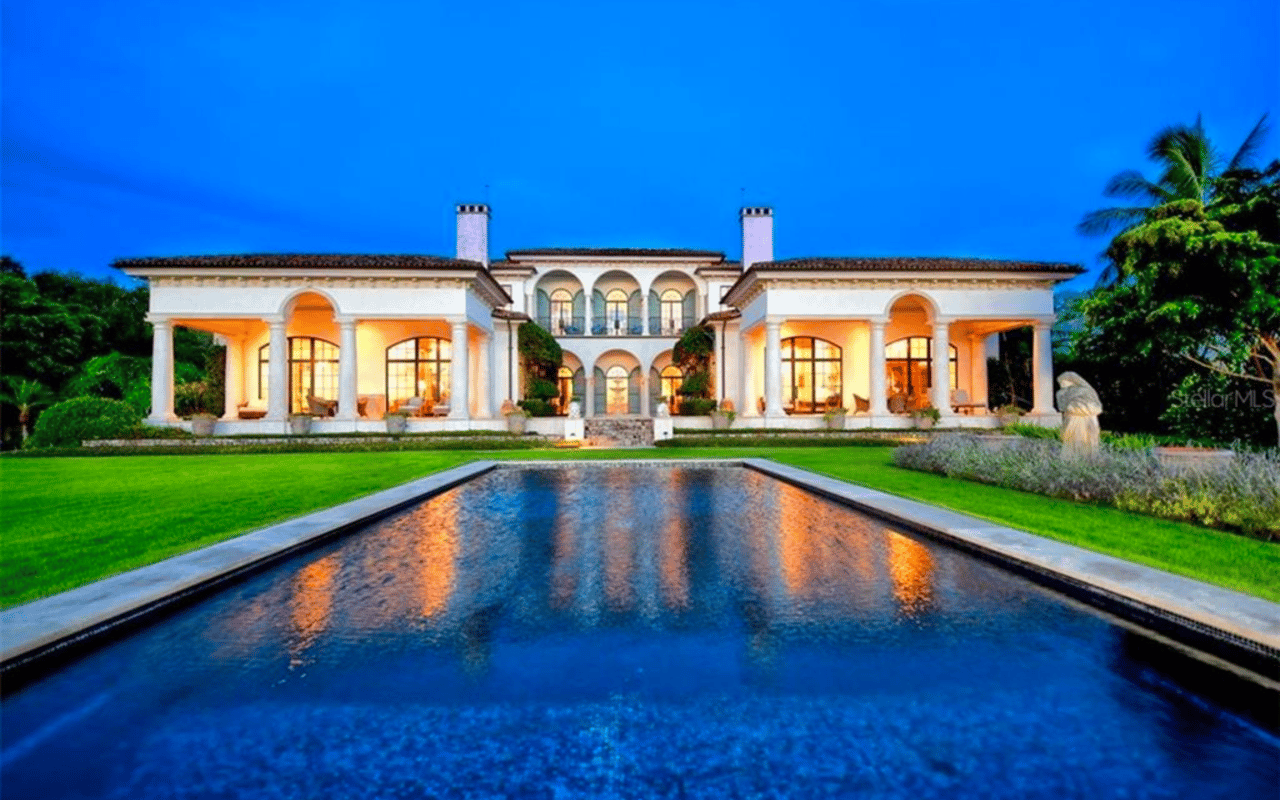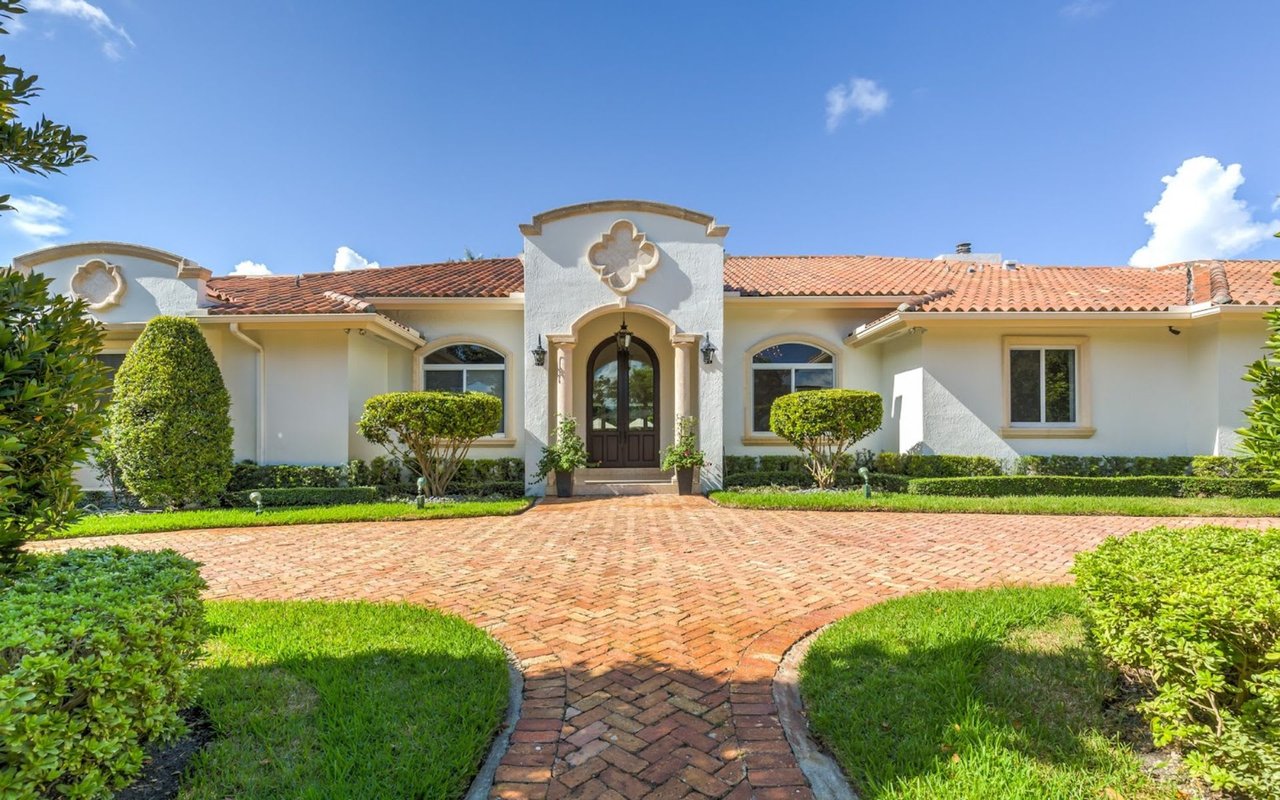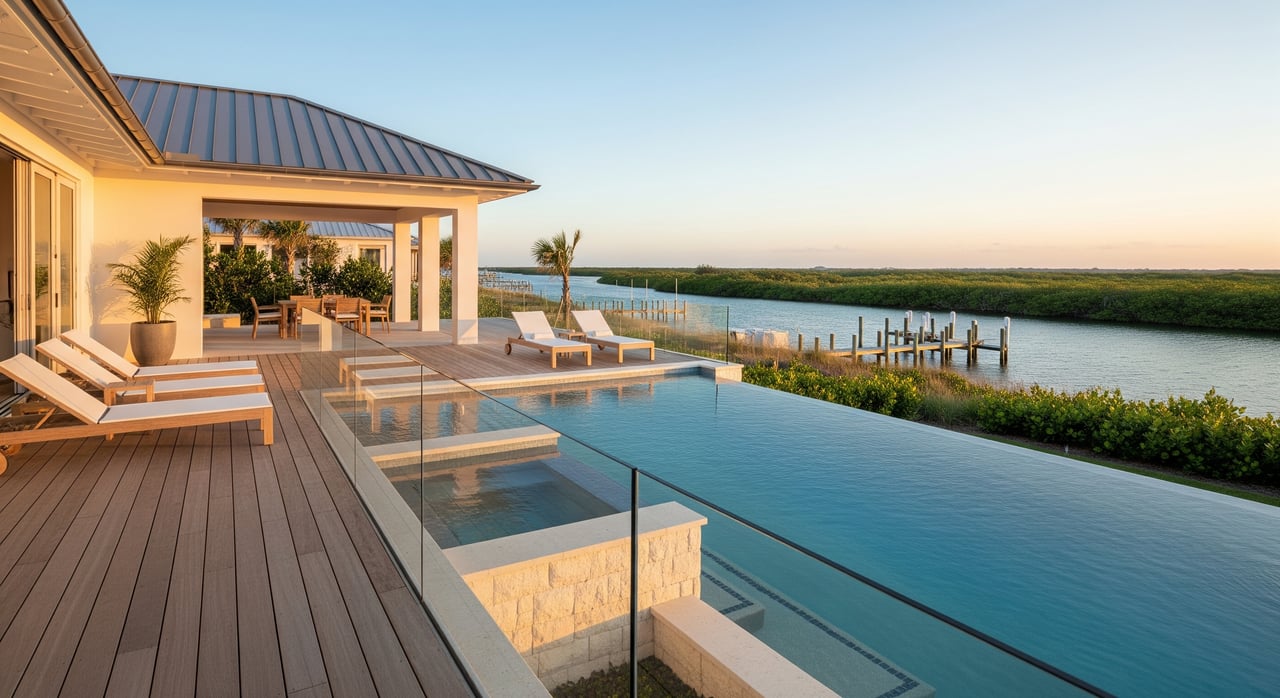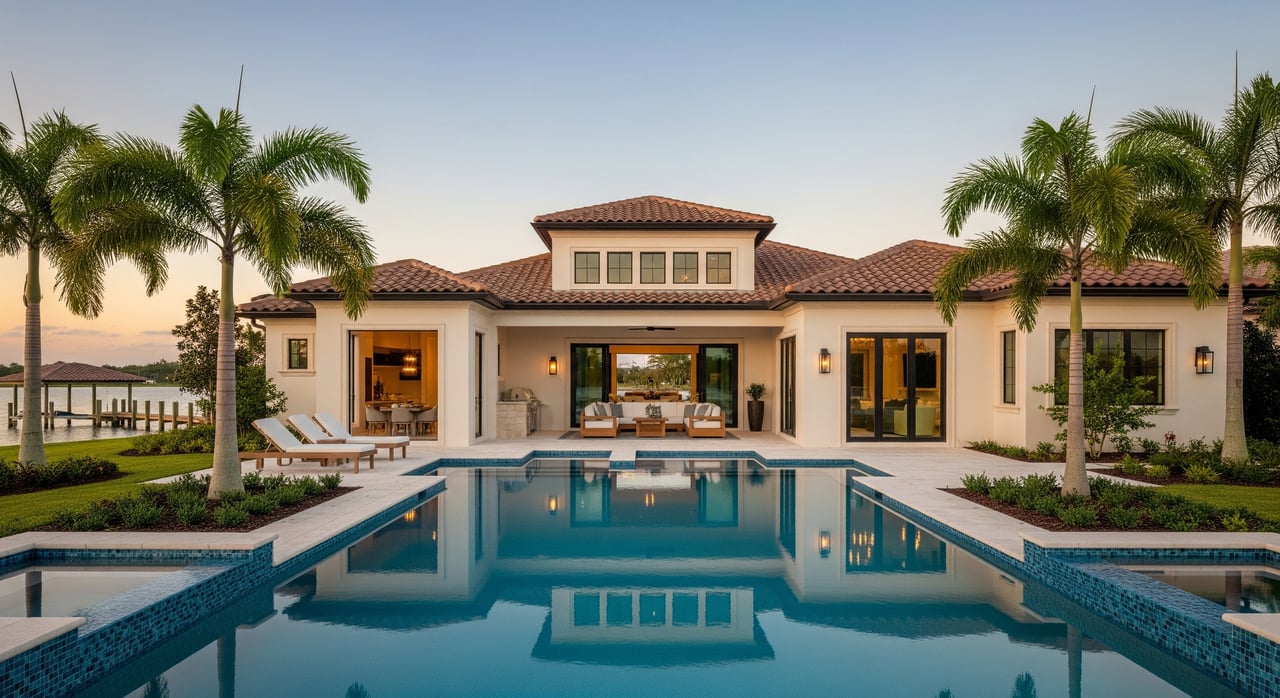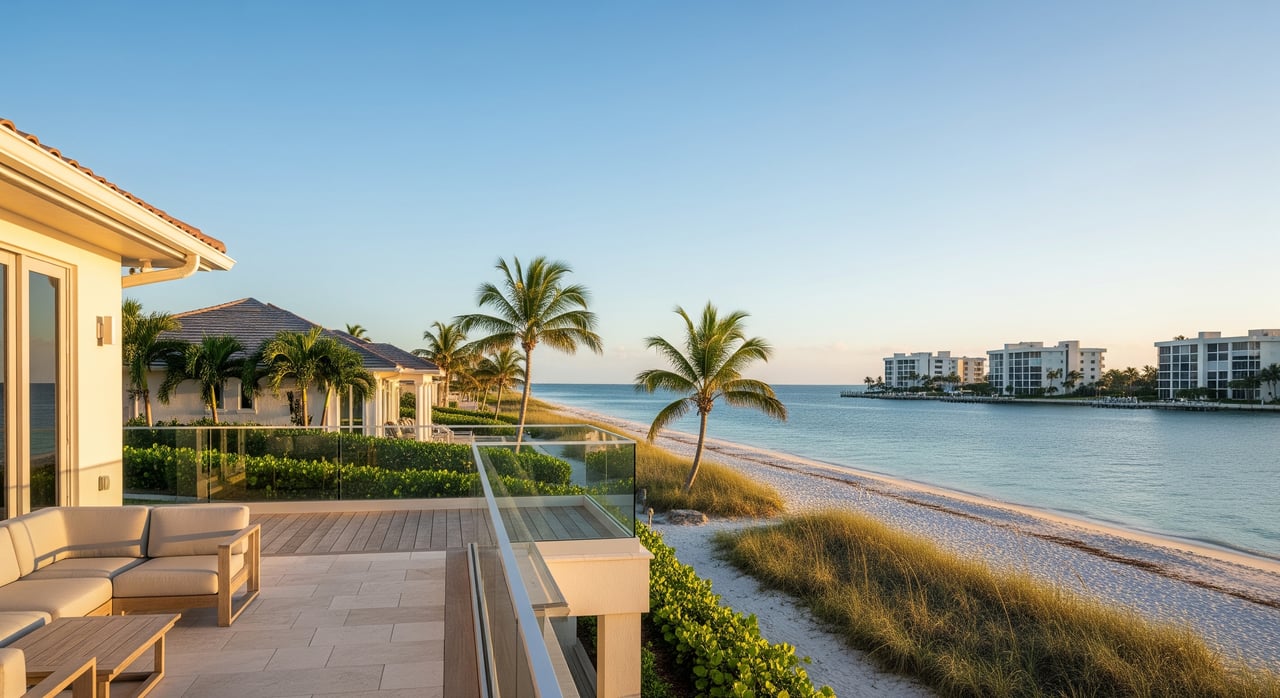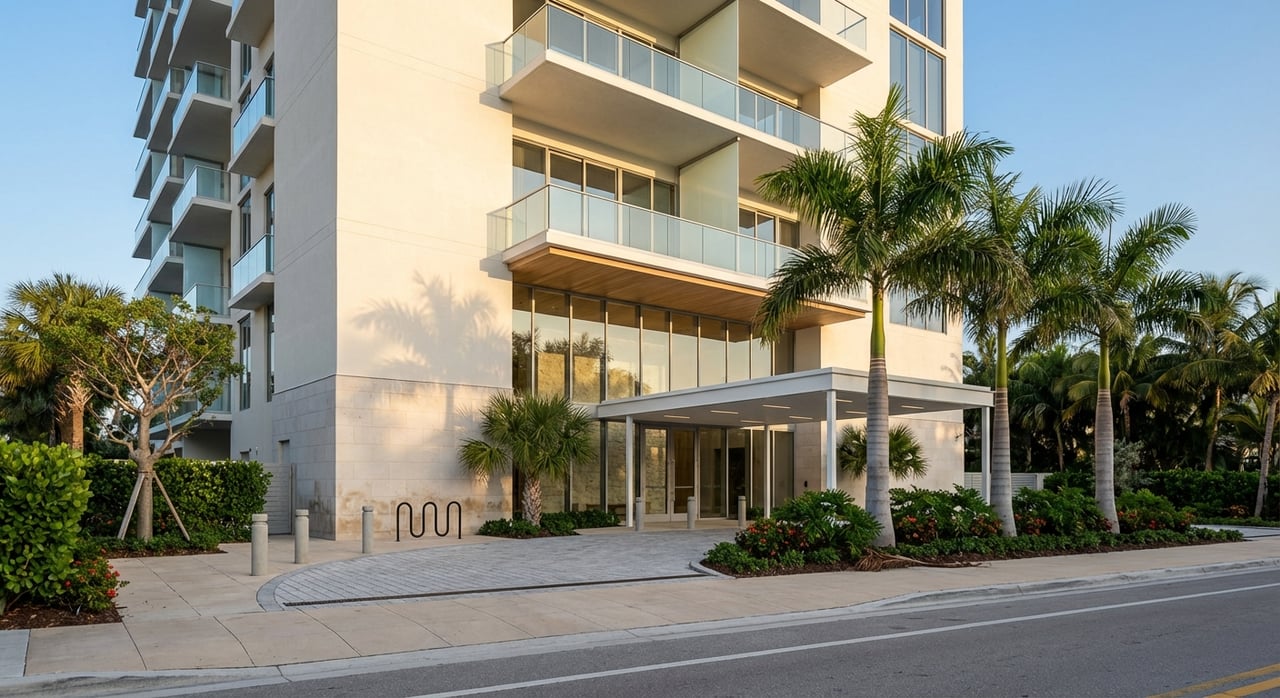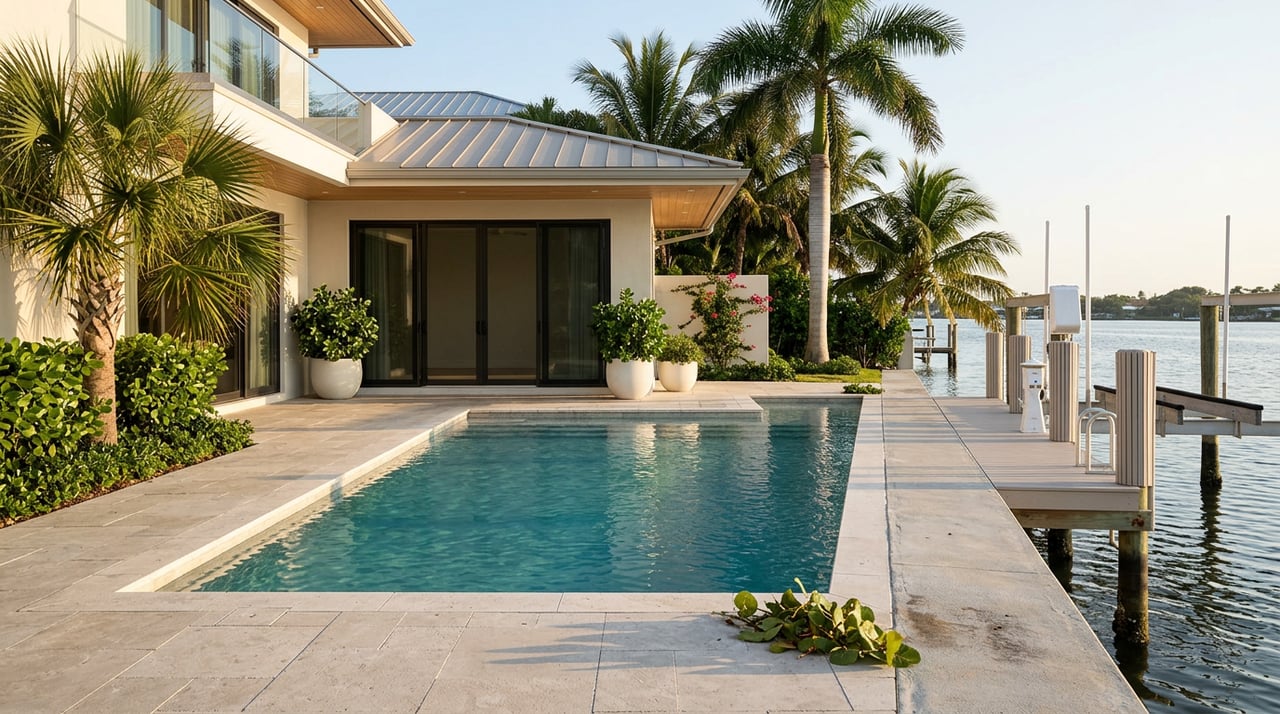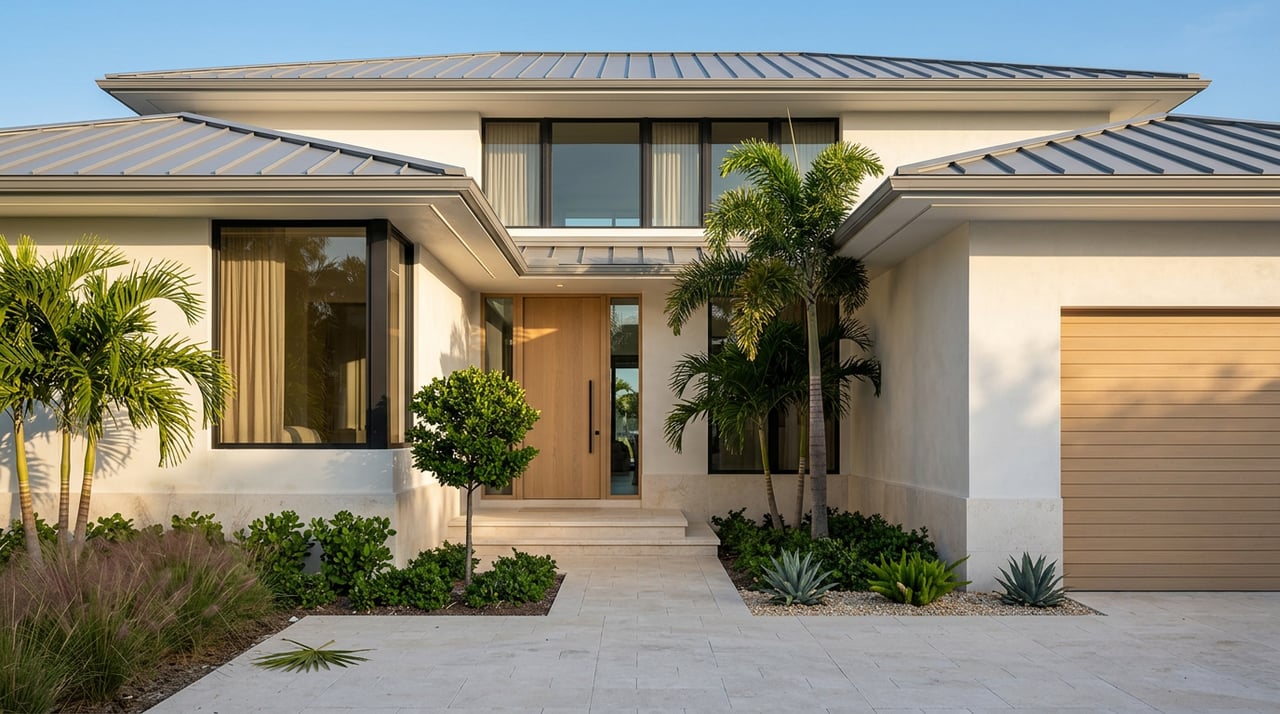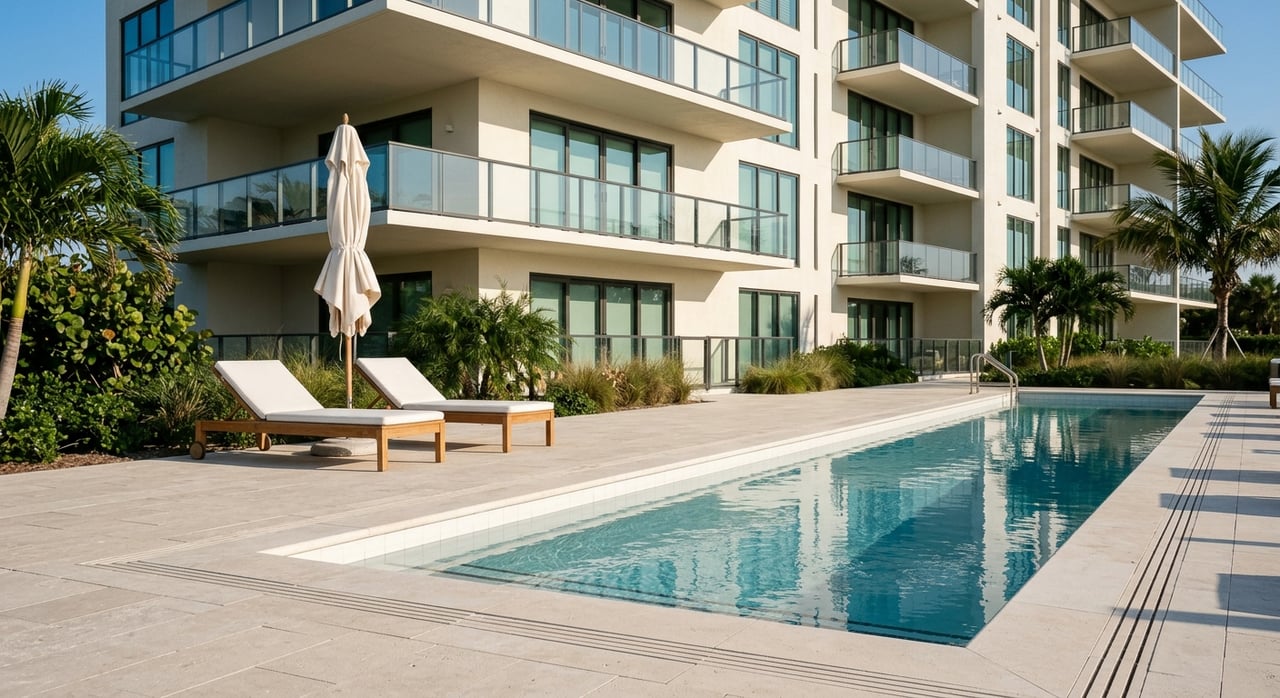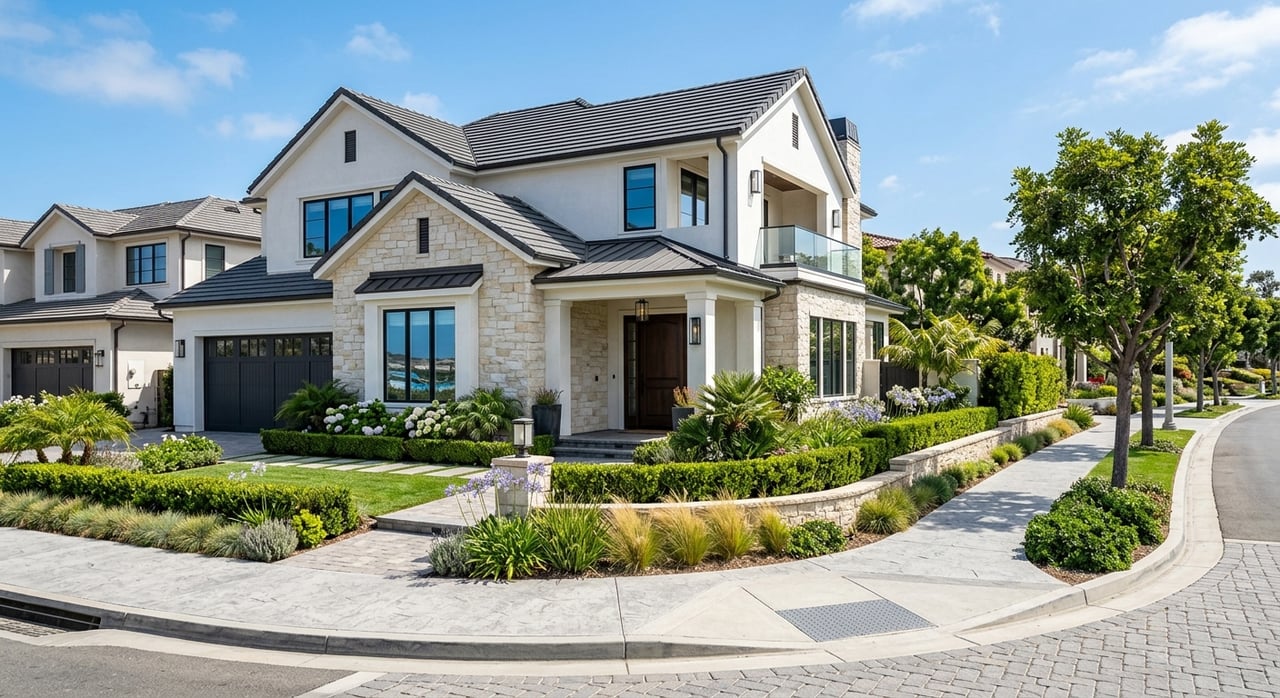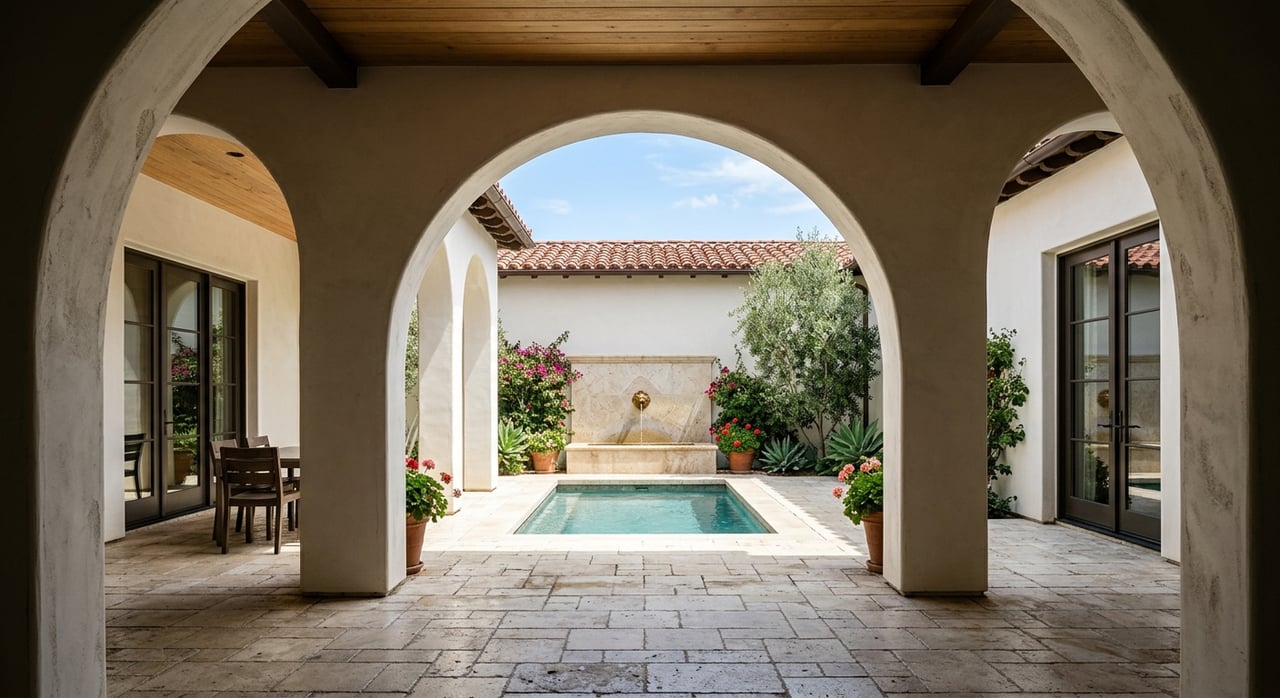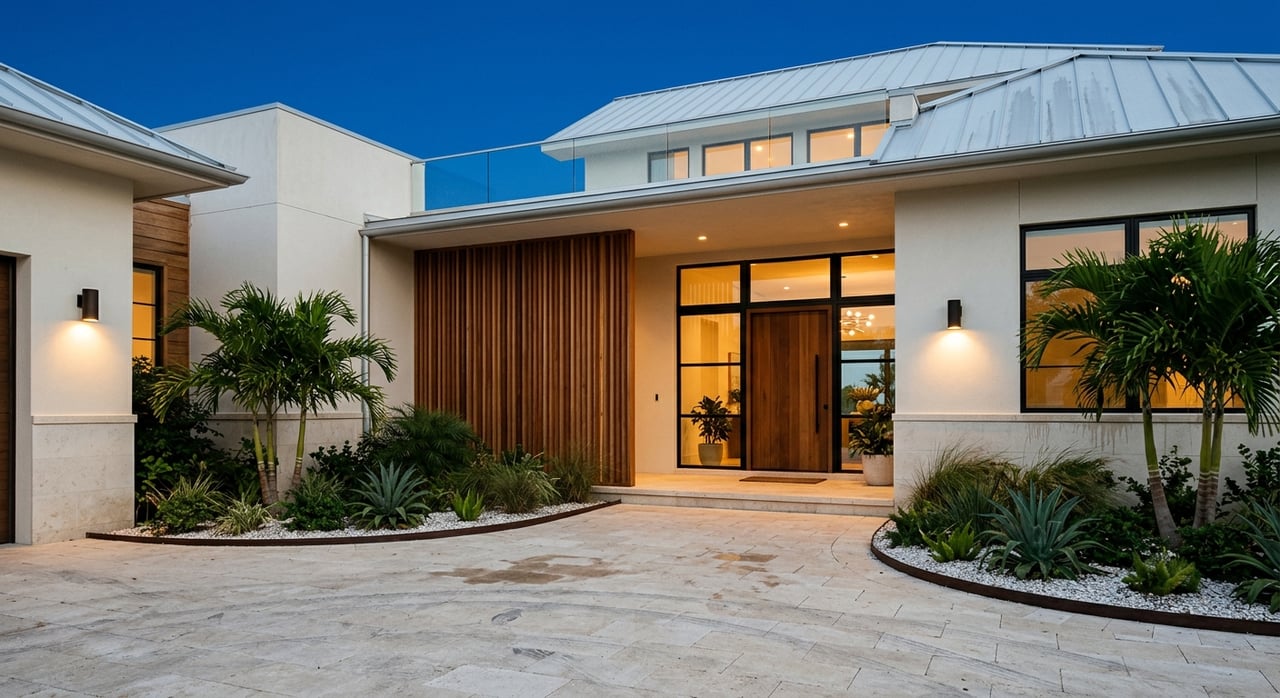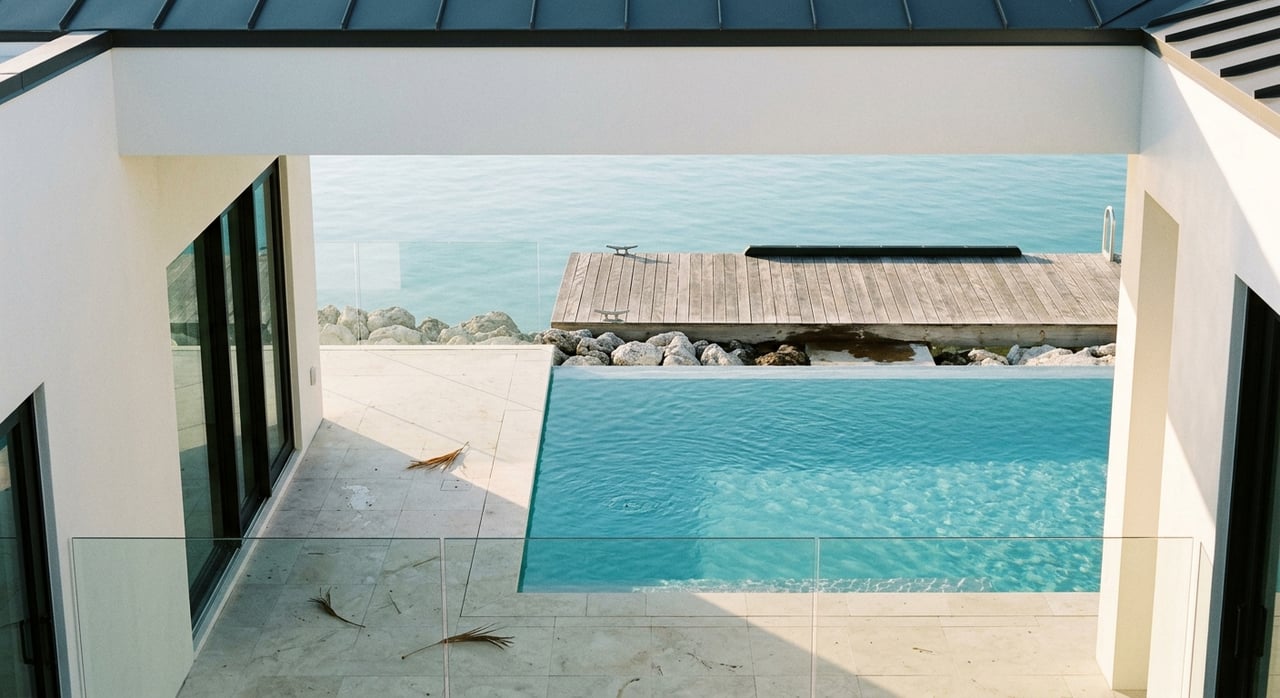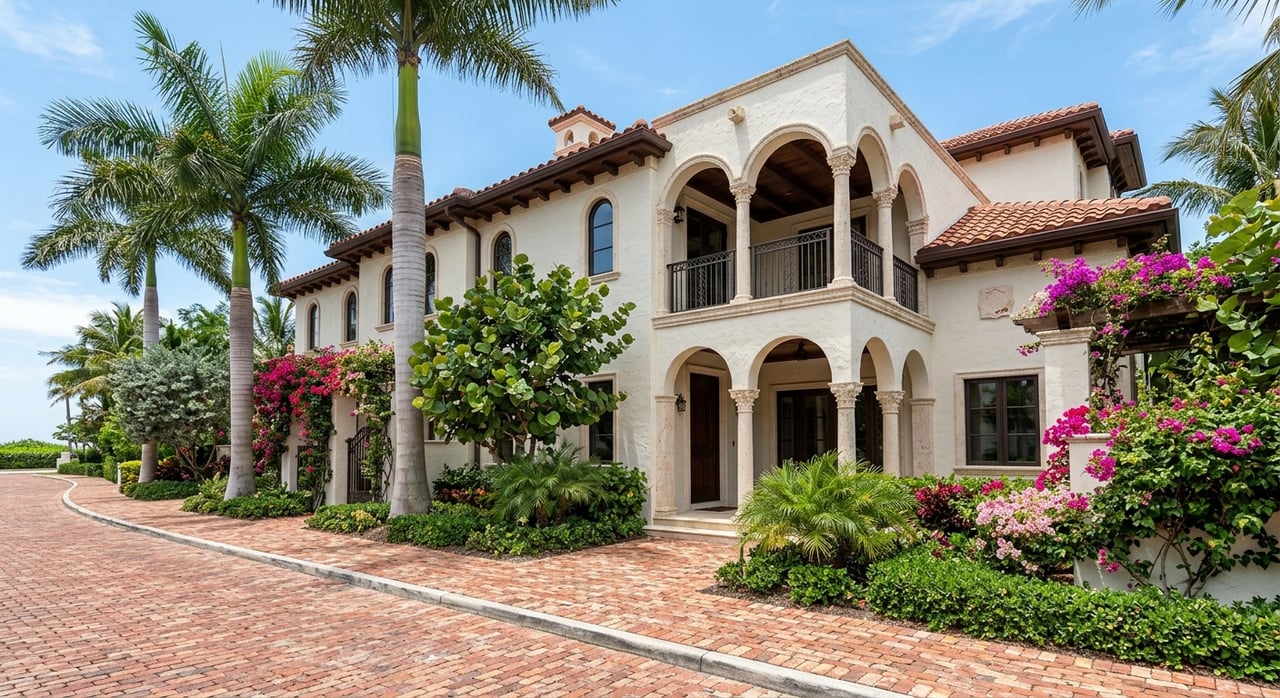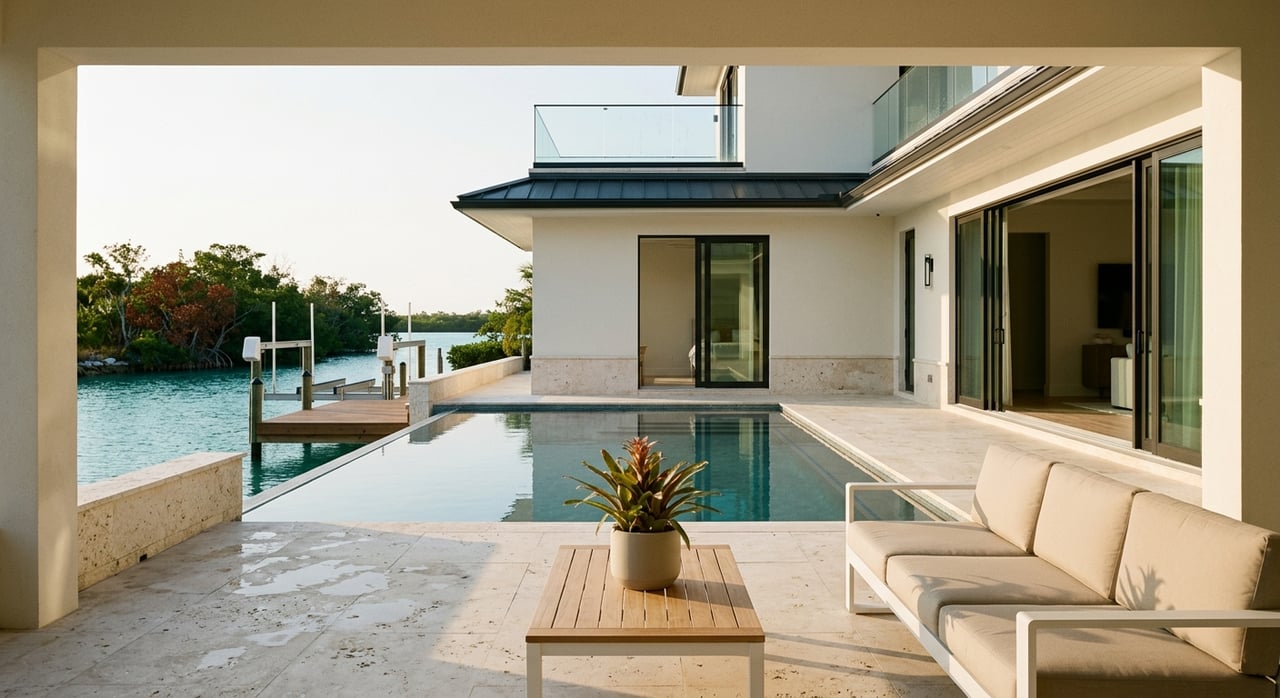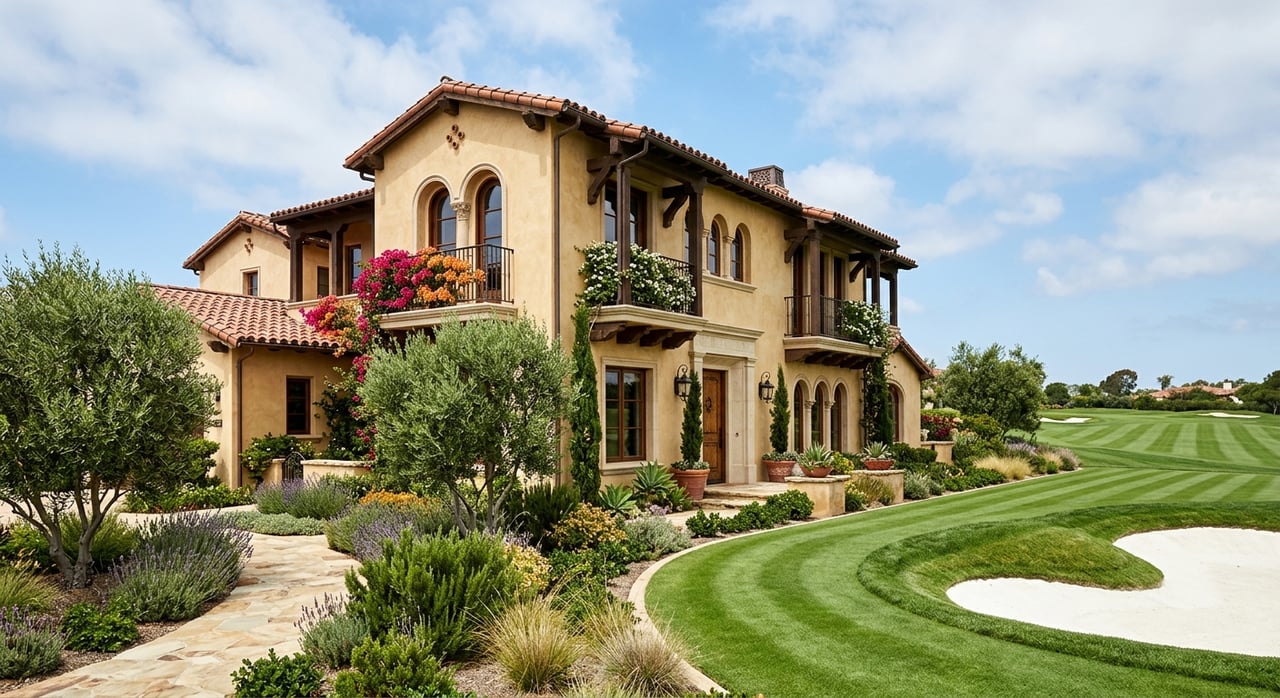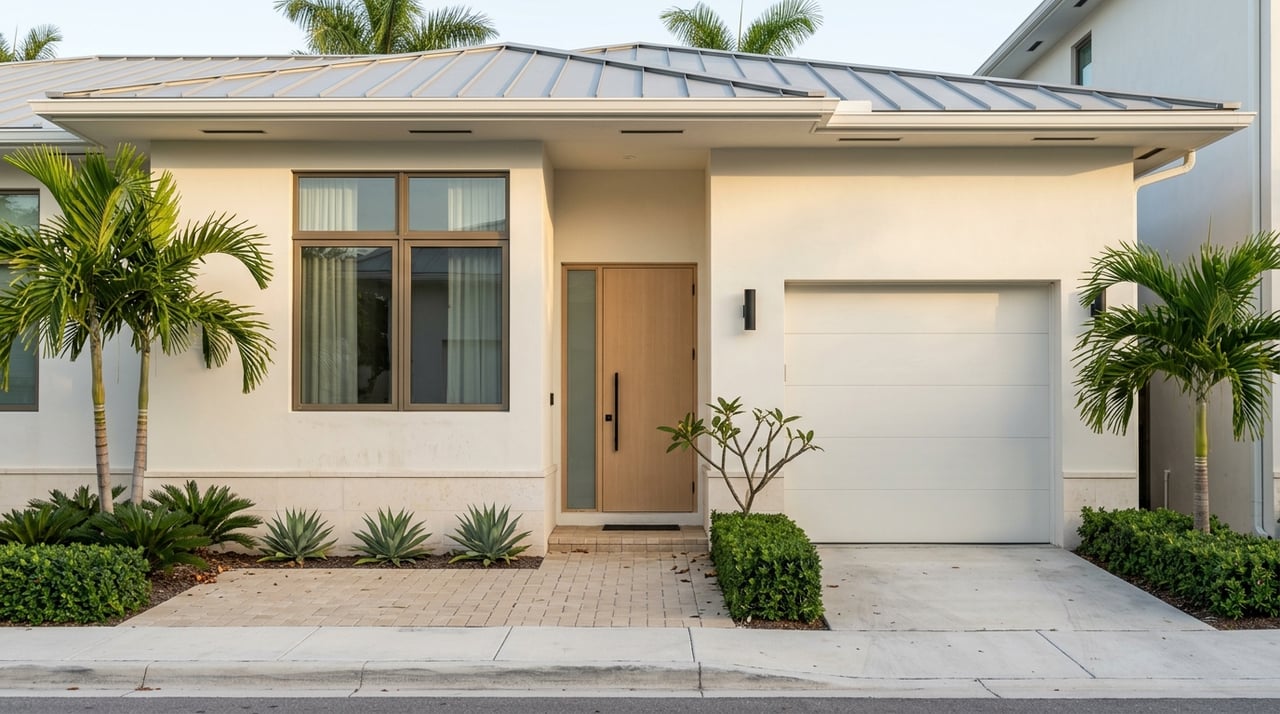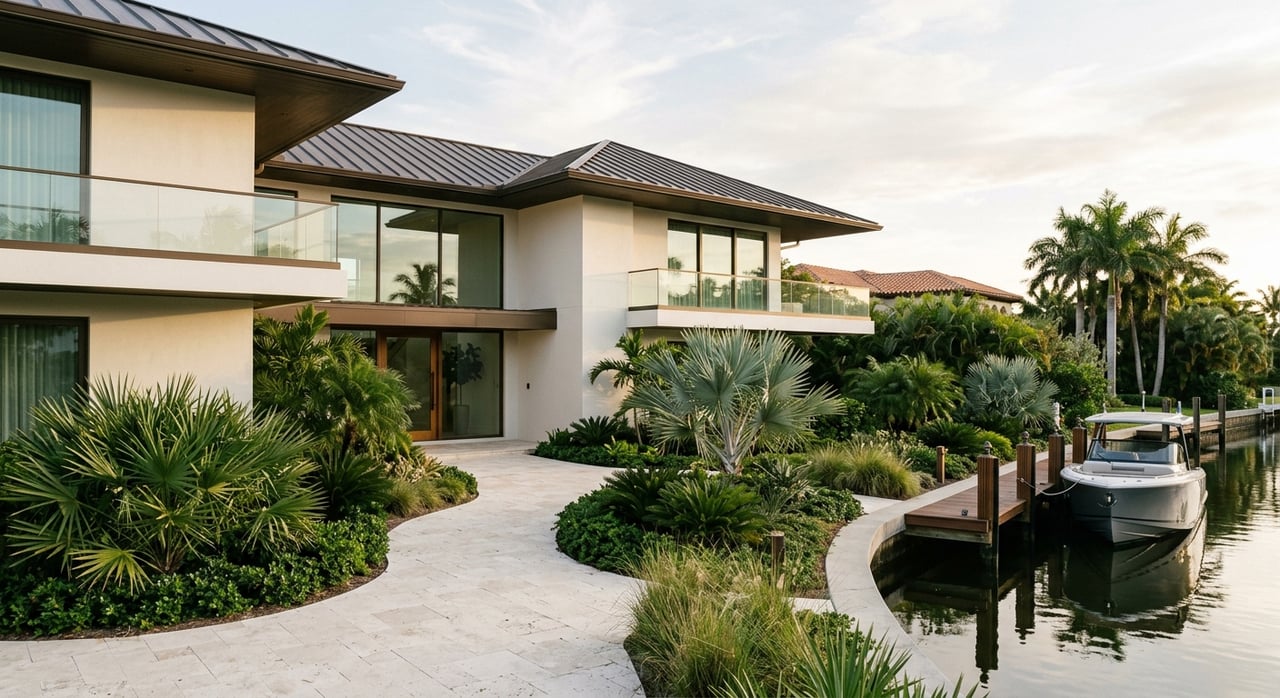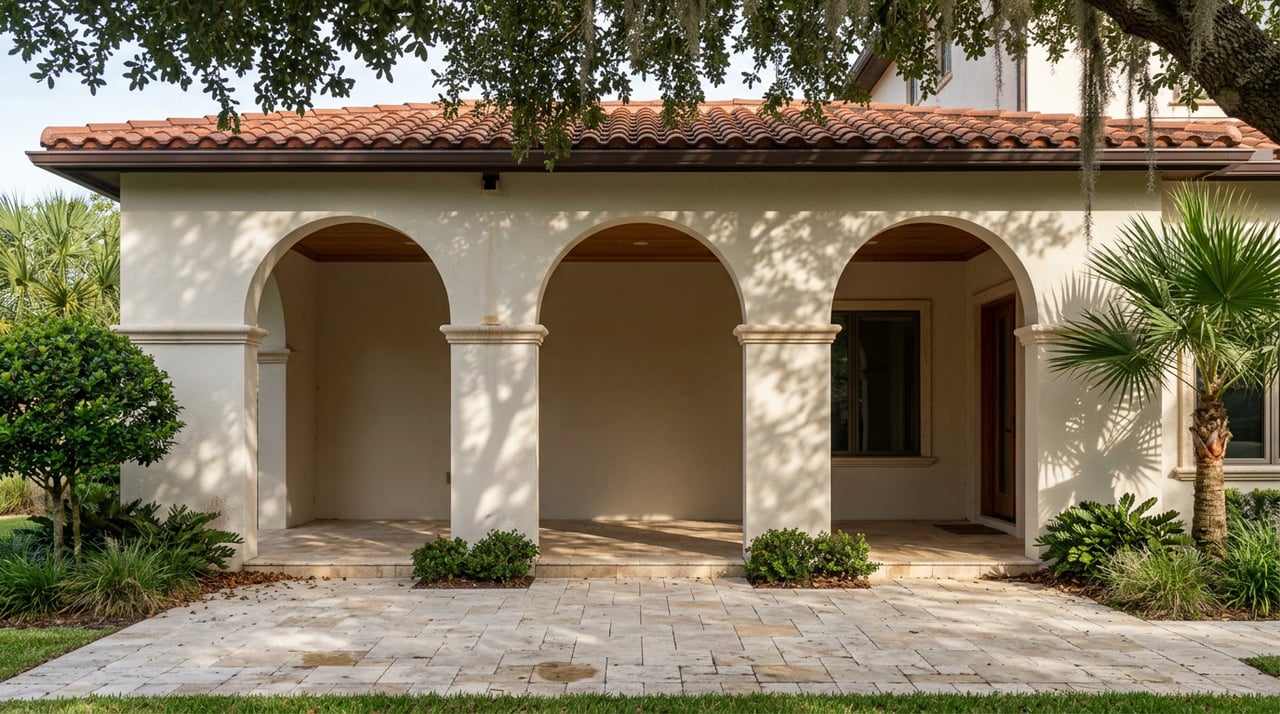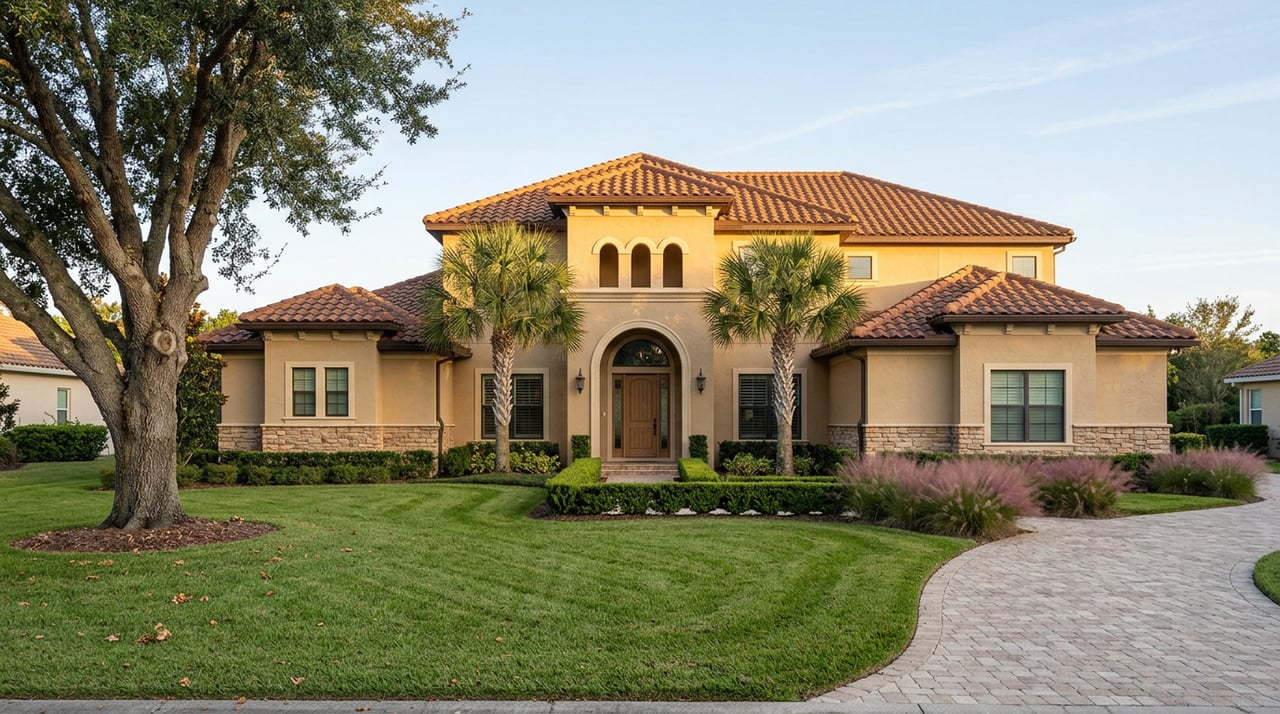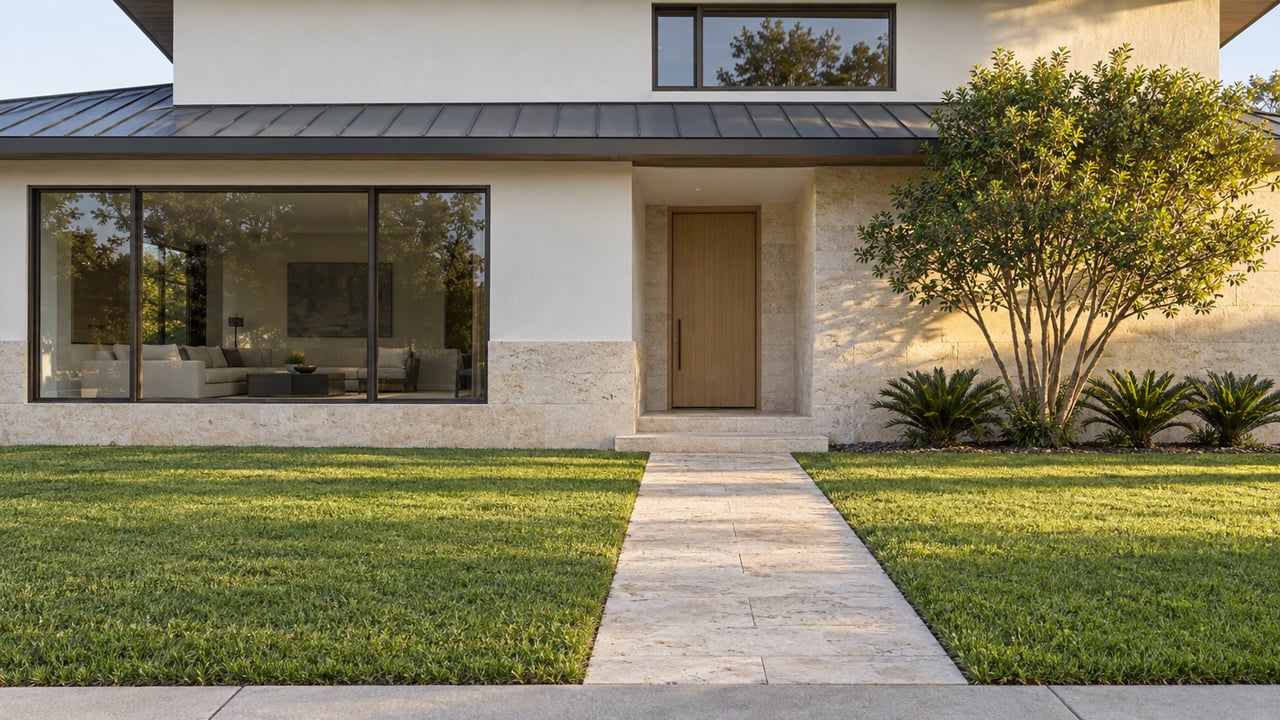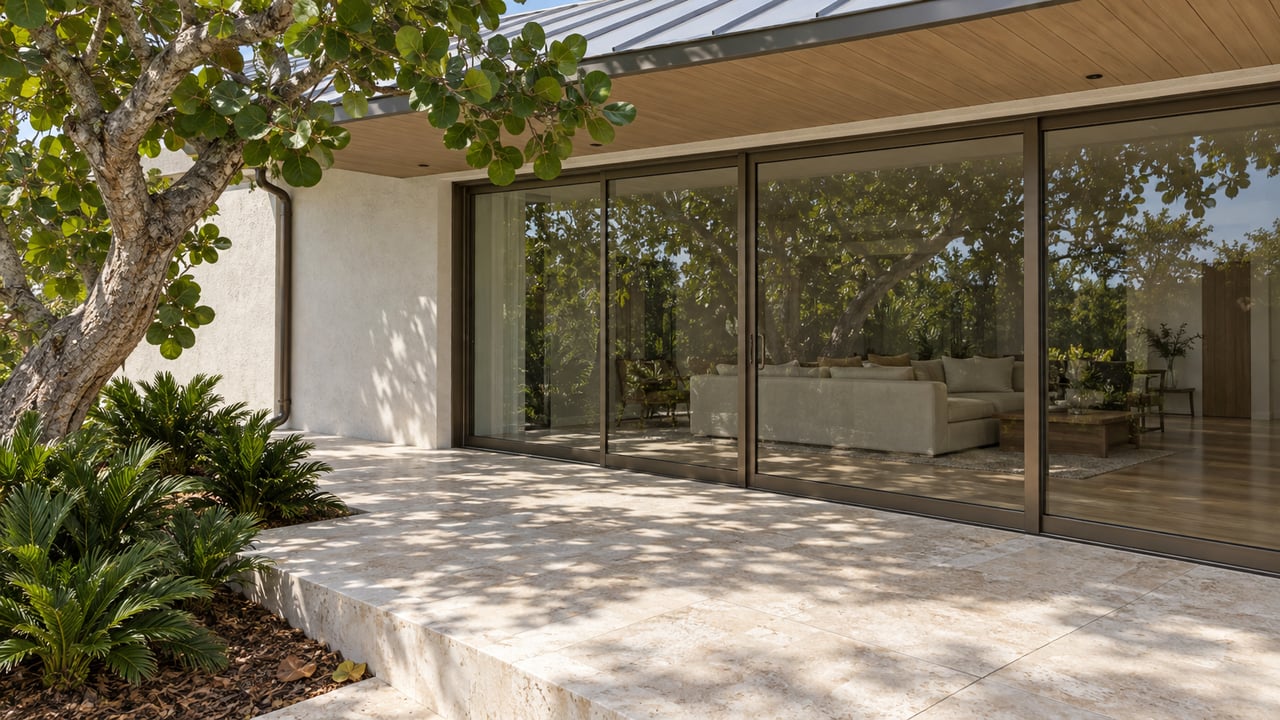
A buyer walked us through a Bird Key comp sheet last spring convinced the market had lost its mind. One canal home was asking a shade over $2 million. Two doors down, a rebuilt estate on a similar lot was pricing near $7 million. The buyer's read: the second seller was delusional. The actual read: the two homes are not the same product, and the price gap is not a negotiating lane. It is the gap between a lot-value trade and a finished, elevated, insurable house.
That misread is the single most expensive mistake we watch buyers make on this island. Bird Key looks like one market on a portal search. It behaves like two.
Two products sharing one gated causeway
Bird Key was platted by Arvida in 1959 through dredge-and-fill construction on roughly 250 acres just west of the John Ringling Causeway. The island has about 500 single-family homes, roughly 300 of them waterfront on deep-water canals or directly on Sarasota Bay, and a fixed lot count that has barely moved in more than sixty years. What has moved is the housing stock sitting on those lots.
Most active inventory in 2026 falls into one of two buckets:
| Bucket One: 1960s Original | Bucket Two: Rebuilt or New | |
|---|---|---|
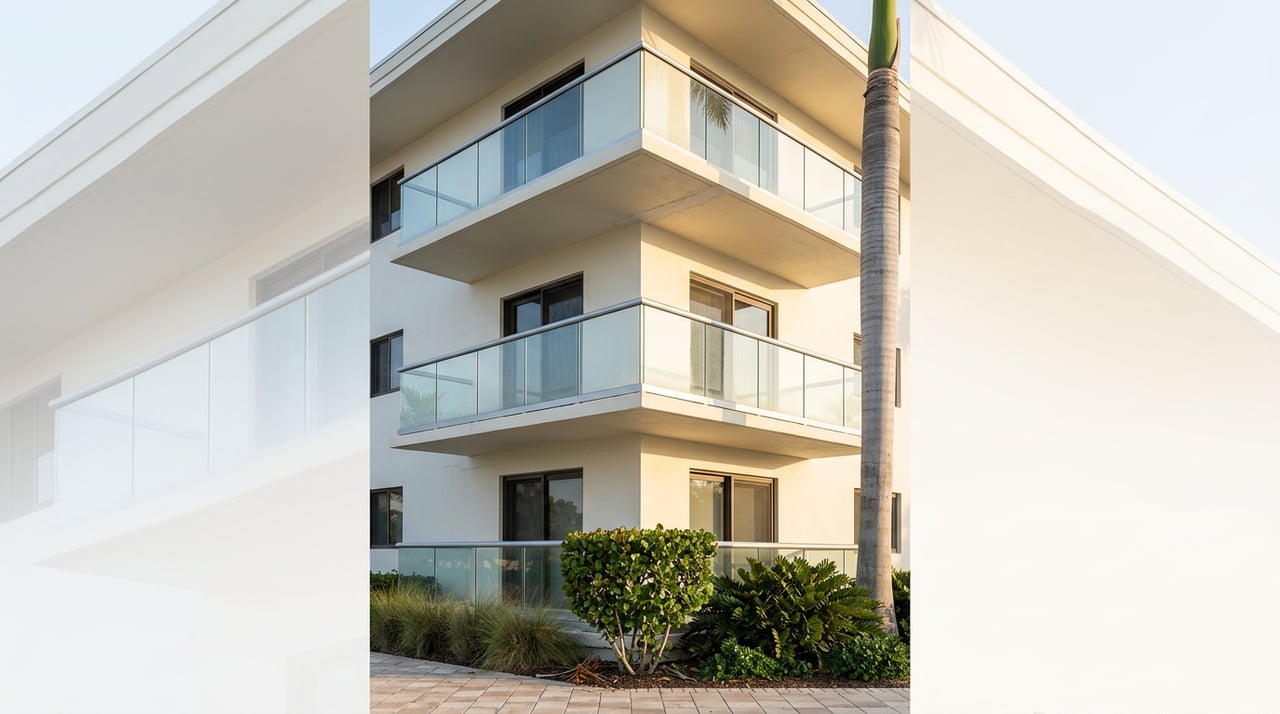
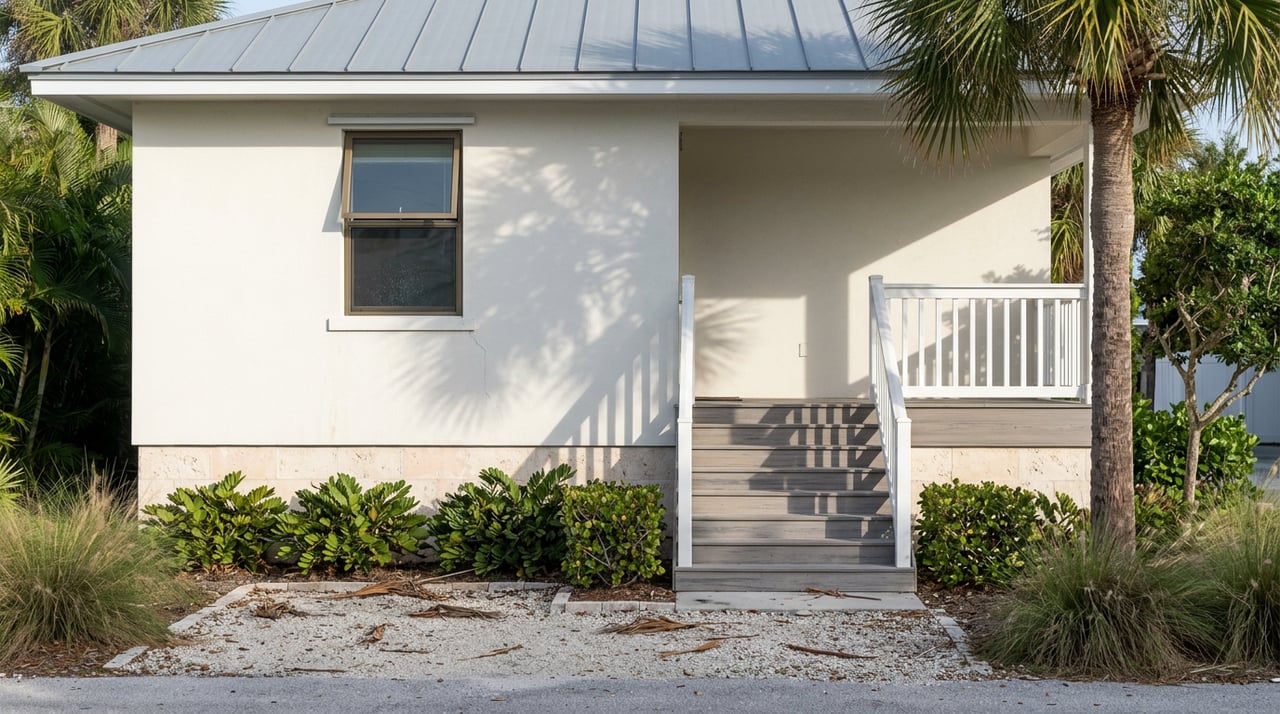
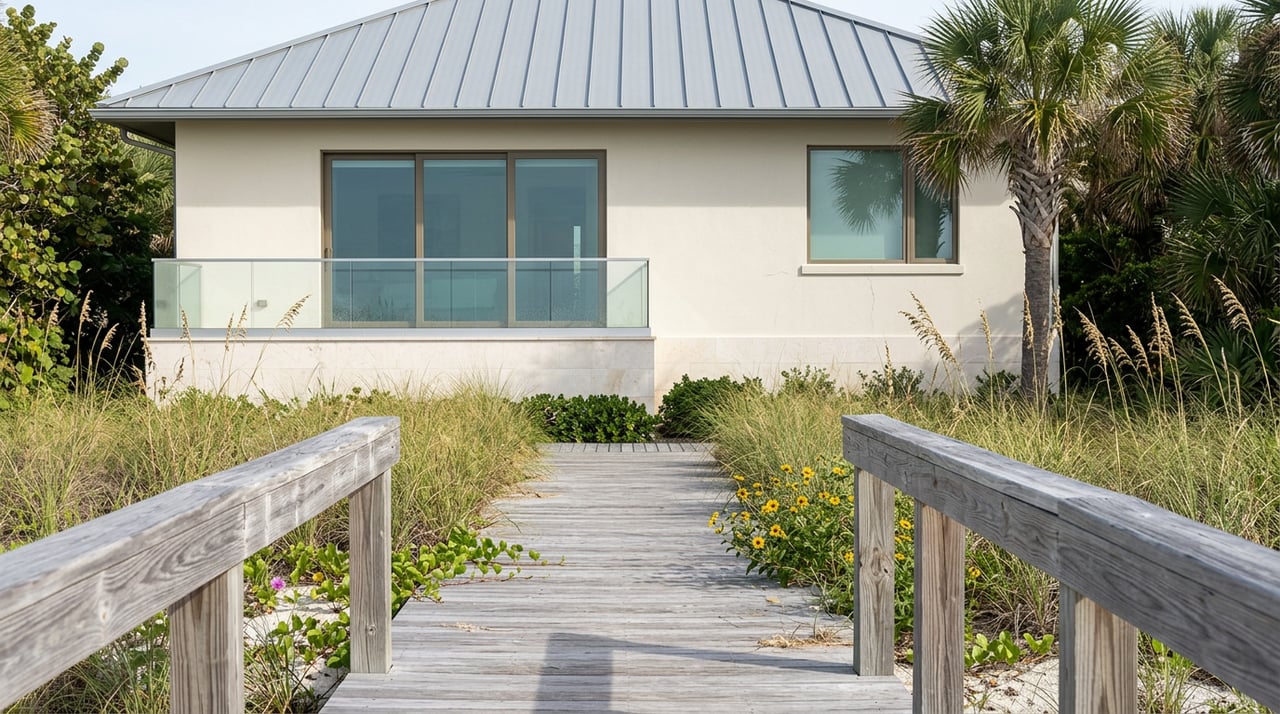
| Typical form | One-story ranch, often non-elevated | Two-story, elevated to current FEMA standards |
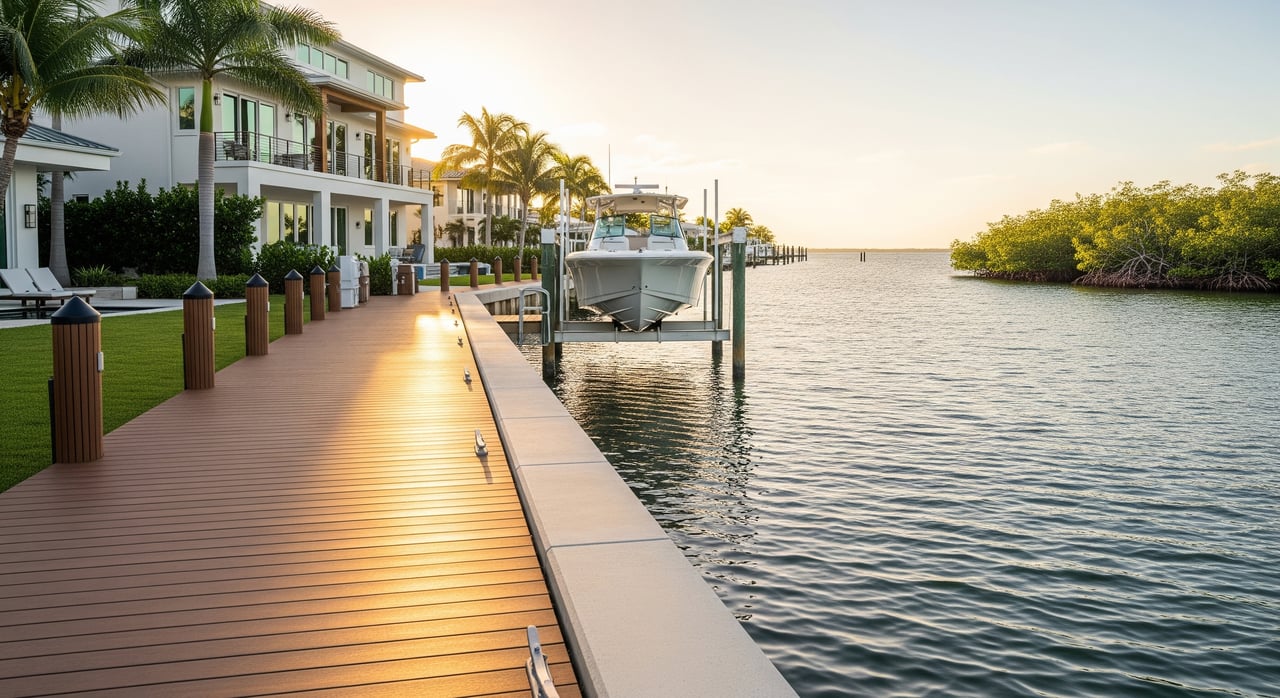
| Dock and seawall | Original vintage, frequently in need of replacement | New or recently refreshed |
| Insurance posture | May not be insurable on standard terms | Written to current underwriting |
| What the buyer is paying for | The lot | The finished house on the lot |
| Underwriting math | Land value plus demo, permits, rebuild, and carry | Turn-key price minus a headache discount |
The pricing logic between the two is completely different, and treating them as points on the same curve is what leads buyers to either overpay for a teardown or dismiss a rebuilt estate as overpriced against a ranch that is really trading as dirt.
What the "median" is actually averaging
Different sources publish different Bird Key medians for 2026, and the spread itself is the tell. Realtor.com data circulating this spring put the median list near $3.87 million at roughly $1,268 per square foot. Recent local luxury commentary places the Bird Key median closer to $4.7 million, with the strongest properties trading well above $7 million. As of March 2026, Redfin showed nine active waterfront listings at a median list of $3.62 million.
Those figures do not disagree. They are averaging different mixes of the two buckets. When more original ranches list in a given month, the median compresses. When rebuilt estates dominate, it rises. The number a buyer should care about is not the island median. It is the median within the bucket the listing actually belongs to.
Pettingell's public tiering for 2026 is the clearest read we have seen:
- Interior and non-waterfront lots: roughly $2 million to $4 million
- Garden canals with bridge restrictions: $3 million to $5 million
- Sailboat canals with no bridge restrictions: $4 million to $8 million
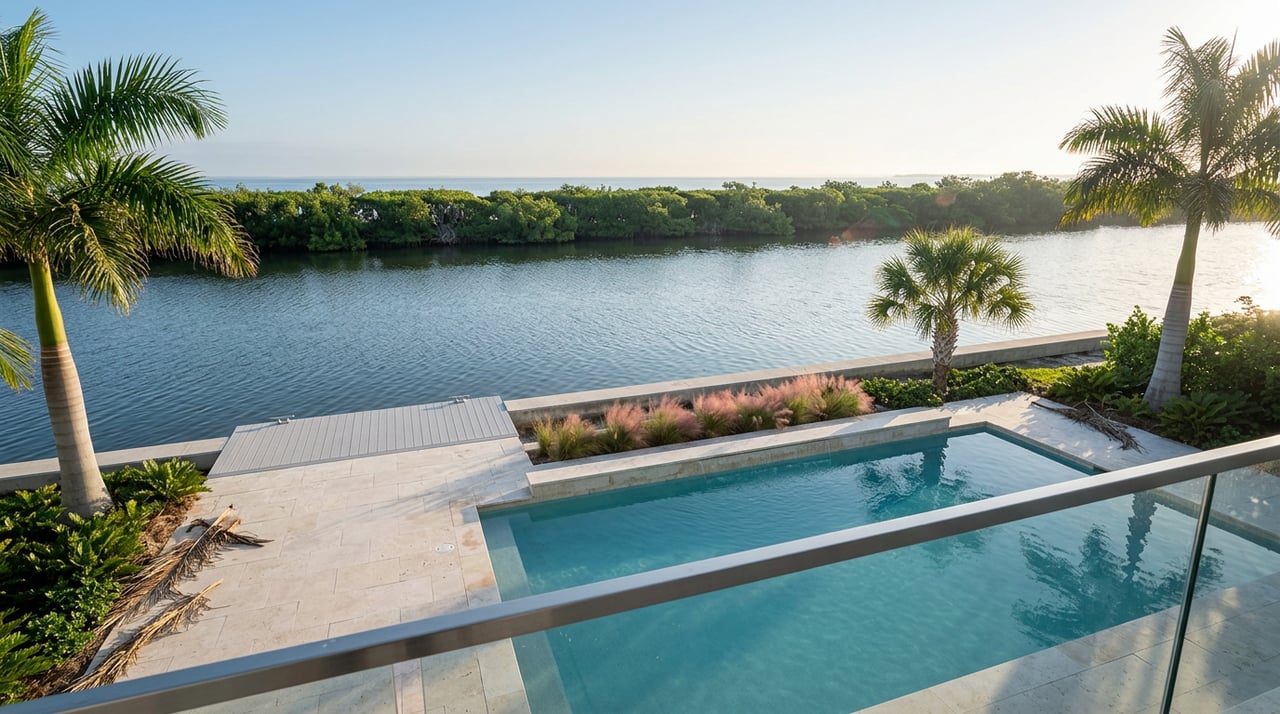
- Deep-water bayfront estates on the eastern edge: $8 million to $15 million and above
Interior figures from other 2026 sources run lower, closer to $1.5 million on the smaller ranch product. Either way, the tiers are wide because within each tier the ranch-versus-rebuild split is doing most of the work.
The diligence that decides which bucket a listing belongs to
Four items separate a teardown priced like a house from a house priced like a house. On Bird Key, they matter more than square footage.
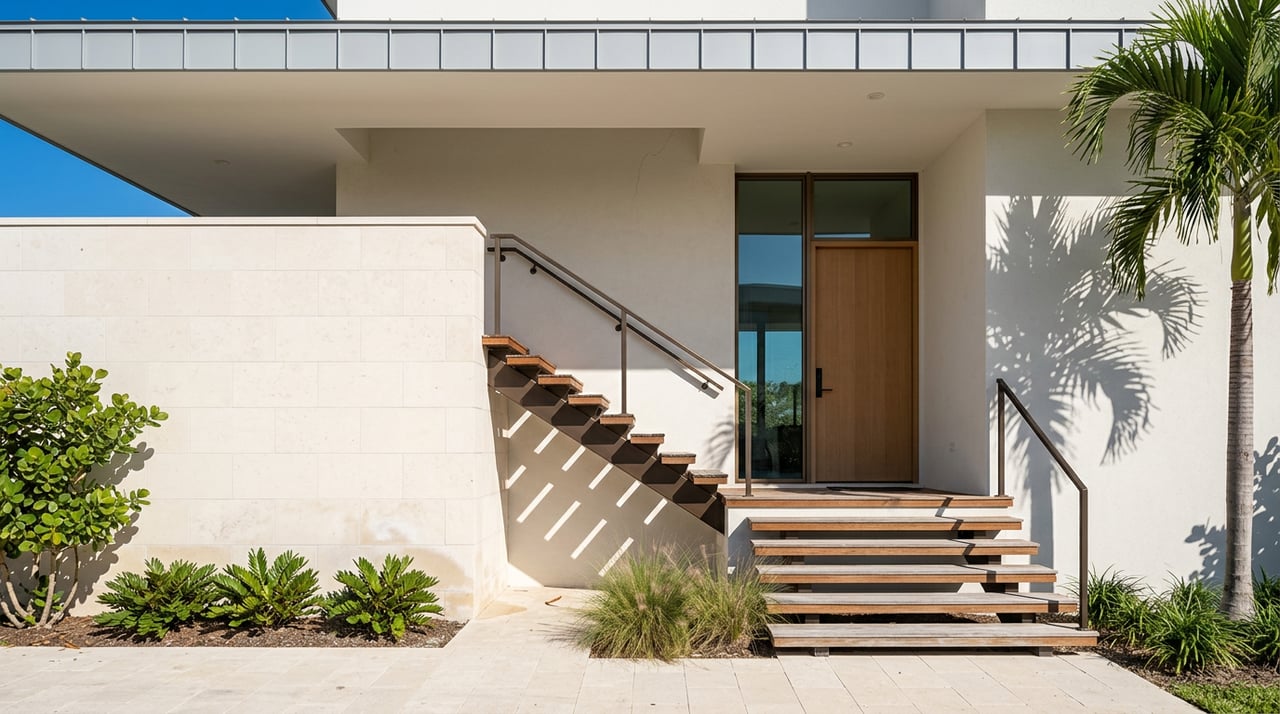
FEMA elevation. Most lots sit approximately 5 to 8 feet above sea level. Original 1960s construction is generally non-elevated. Elevated post-2000s construction is not. This one variable drives insurance availability, the "50% rule" exposure discussed below, and whether a buyer is really acquiring a house or a demolition target.
The 50% rule. Under FEMA-tied local floodplain rules, substantial improvements to a non-elevated structure can trigger a requirement to bring the entire building into current elevation compliance. A buyer planning a "cosmetic refresh" on a 1960s ranch can find, mid-permit, that the project is now a full teardown and rebuild. That is not a small variance. It is a different transaction with a different budget.
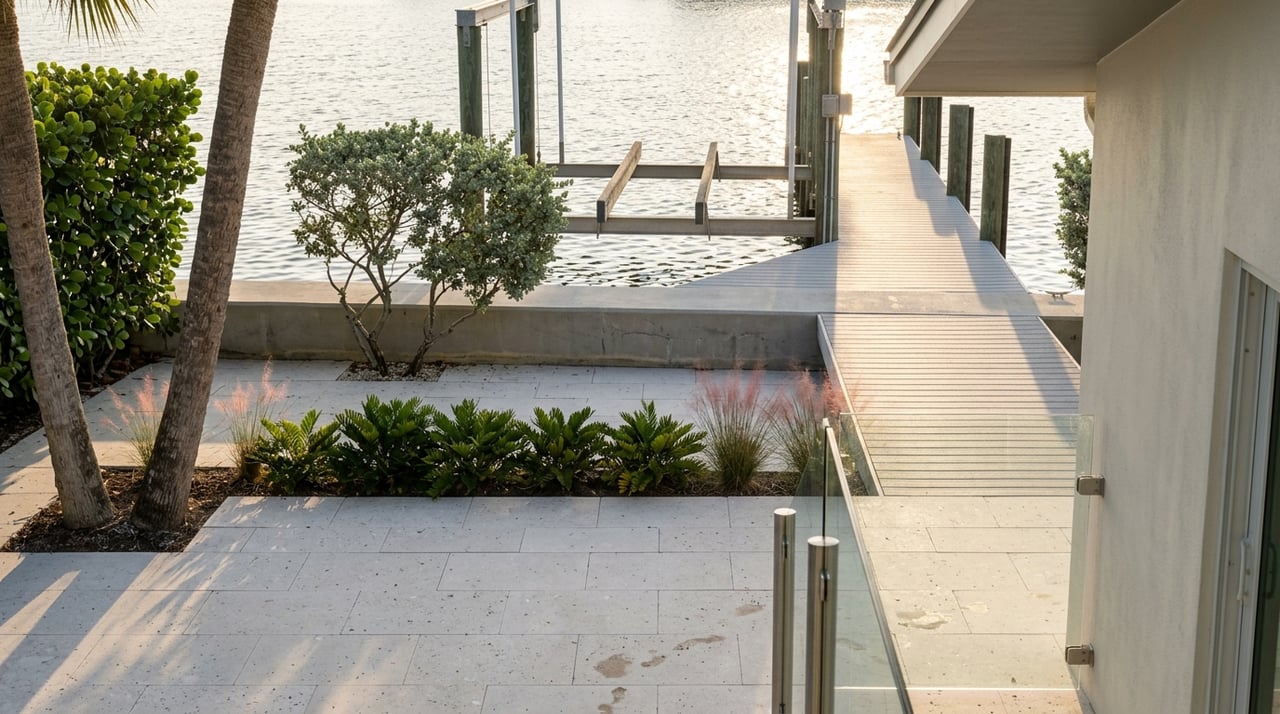
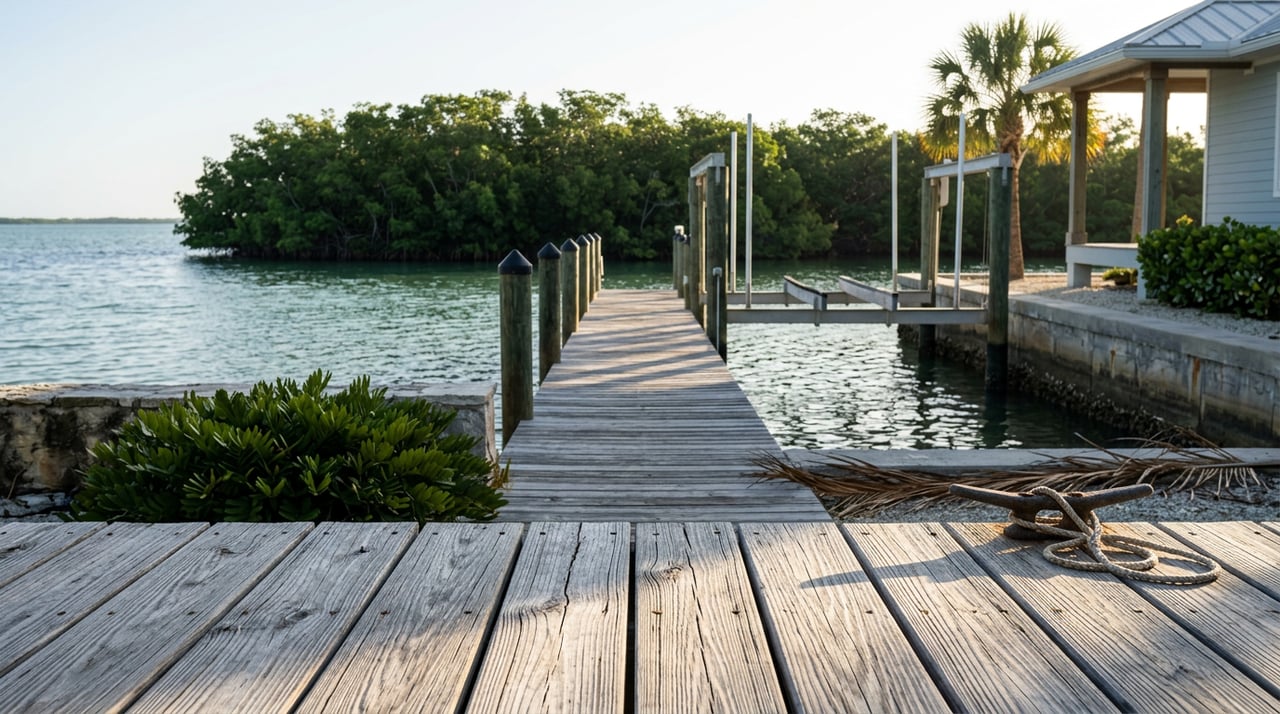
Seawall and dock condition. Seawalls on Bird Key range from recently rebuilt to original. Replacement is a substantial line item, and it does not add curb appeal. Dock configuration, lift capacity, and slip depth vary home to home. If boating is a primary motive for the purchase, the dock spec belongs in the offer analysis alongside the kitchen.
Canal depth and bridge clearance. Bayfront lots on the eastern edge offer unrestricted deep water. Sailboat canals carry deep water with no bridge restrictions. Garden canals carry standard depth with fixed bridges that cap vessel size and air draft. Two canal-front listings at the same price can accommodate very different boats, and the difference does not always show up in the MLS remarks.
Insurance. Combined wind, flood, and homeowners premiums on Sarasota waterfront run roughly $18,000 to $45,000 annually depending on flood zone and construction. On Bird Key specifically, buyers have discovered mid-contract that annual insurance on an older non-elevated home would clear $25,000 or more, sometimes forcing cancellation. A live quote during due diligence is not optional here. It is the number that separates the two buckets in real dollars.
What a Bird Key comp actually tells you
A useful way to read any Bird Key listing is to ask which bucket priced it, then verify against the physical evidence on the ground.
If the asking price implies bucket one, the diligence question is whether the lot, the seawall, the dock, and the elevation math actually support a rebuild inside the buyer's timeline and budget. Permits, architecture, and coastal construction in Sarasota take longer than most buyers estimate, and construction costs have moved sharply in recent years. The math still works on the right lot. It rarely works on the wrong one.
If the asking price implies bucket two, the diligence question flips. The buyer is paying a premium over a comparable older home on a similar lot in exchange for a house that meets current code, carries a standard insurance profile, and does not require a two-year detour through permitting and construction. That premium is not arbitrary. It is a headache discount going the other direction, and it is the single largest reason a rebuilt estate near $7 million is not the same trade as a ranch nearby at $2.5 million.
Countywide luxury conditions give the buyer some leverage in either direction. Sellers across the Sarasota luxury tier are receiving a median 93.7 percent of original list as of the spring 2026 reads we track, and bayfront properties above $3 million often sit 120 to 180 days before finding the right buyer. On Bird Key, however, supply is the deeper constraint. In a typical month only a handful of homes are actively on the market. When the right one lists, the buyer who has already done the bucket work moves in days. The buyer still averaging the island median waits six months for the next comparable to appear.
FAQ
Are all Bird Key waterfront homes equivalent for a boater? No. Bayfront positions on the eastern edge offer unrestricted deep water and can accommodate large sailboats and yachts. Sailboat canals handle vessels over roughly 50 feet with no bridge restrictions. Garden canals carry fixed bridges and are better suited to smaller runabouts. Verify the specific canal against the intended vessel before writing an offer.
Can an interior, non-waterfront Bird Key owner still keep a boat on the island? Yes. The Bird Key Yacht Club operates a 42-slip marina, and interior lot owners are eligible to keep a boat there through club membership. That is one reason the interior tier holds its price relative to non-island neighborhoods without water access.
Is a teardown really cheaper than buying a rebuilt home? Sometimes, and only after honest math. Land, demolition, permitting, elevation, construction, and carry through a build cycle add up quickly, and the 50% rule can convert a planned renovation into a full rebuild without warning. Ackerman's approach is to loop in a builder, an architect, and an insurance broker before an offer is written on any pre-1980s Bird Key structure, not after.
When you are ready to price it correctly
Bird Key rewards the buyer and the seller who understand which product they are actually trading. If you are weighing a purchase, preparing to list, or trying to place a single lot against the right comp set on this island, The Ackerman Group is happy to walk the specifics with you. We will tell you which bucket the listing belongs to, what the diligence is likely to surface, and where the real number sits.