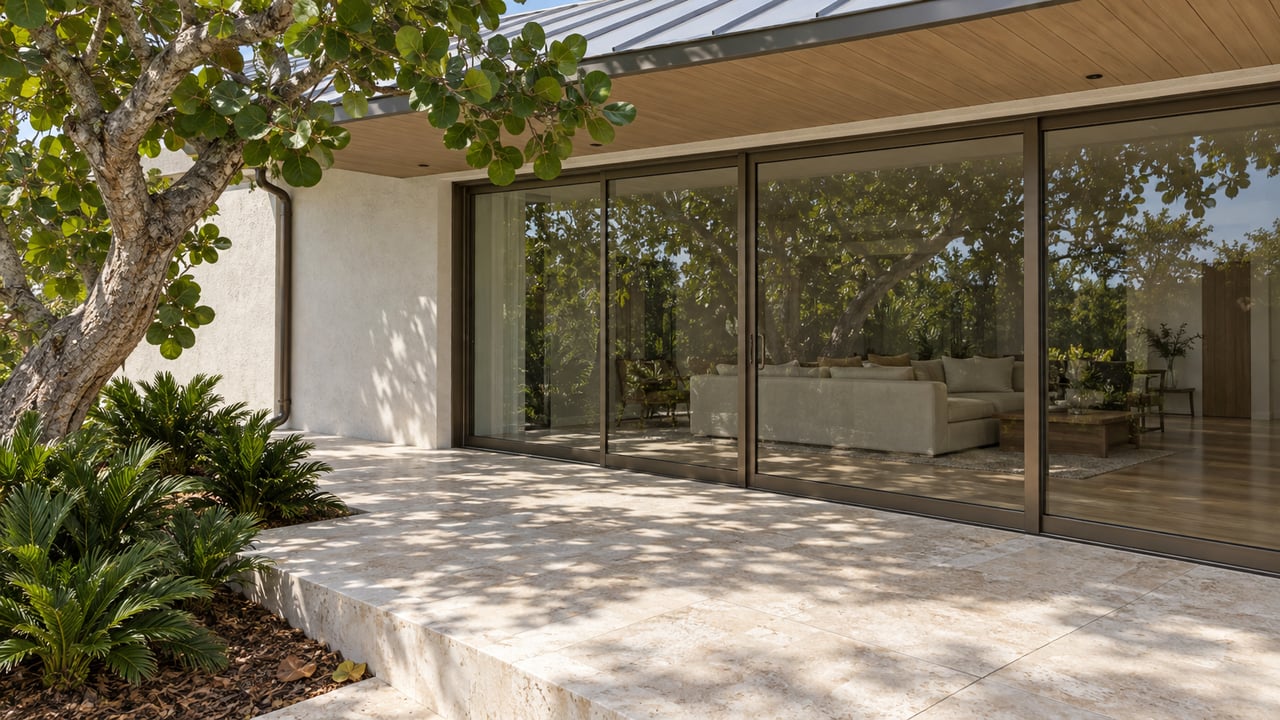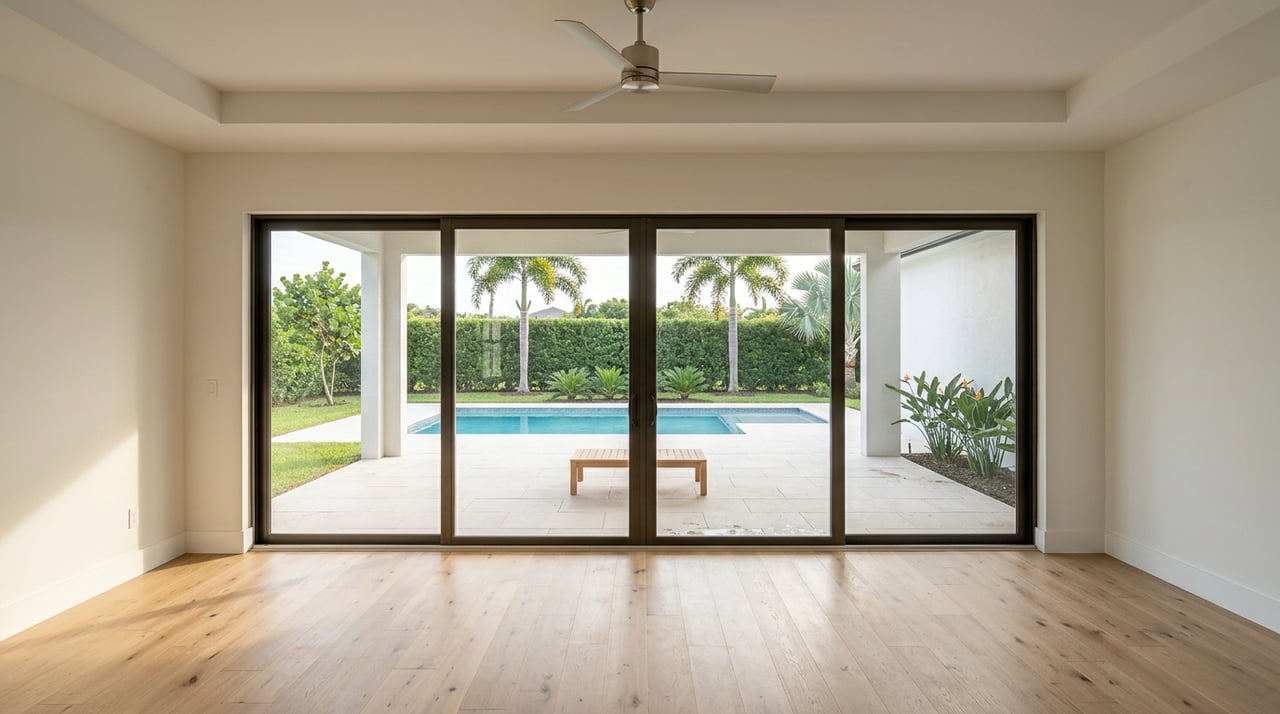
Thinking about building in Lakewood Ranch? It is exciting to picture a home tailored to your style, but new construction also comes with decisions, deadlines, and costs that can catch buyers off guard. If you want a smoother experience, it helps to know how village choice, builder selection, homesite details, and the build process all fit together. Let’s dive in.
Why Lakewood Ranch Draws New-Construction Buyers
Lakewood Ranch is a large master-planned community spanning more than 35,000 acres across Manatee and Sarasota counties. According to the community’s official information, it includes 36 villages, more than 150 miles of trails, three town centers, and a wide mix of residential, commercial, and civic amenities.
That scale gives you options, but it also means your decision is about more than a floor plan. Your village choice can shape your commute, access to amenities, and the schools or services near your home. In practical terms, where you build matters just as much as what you build.
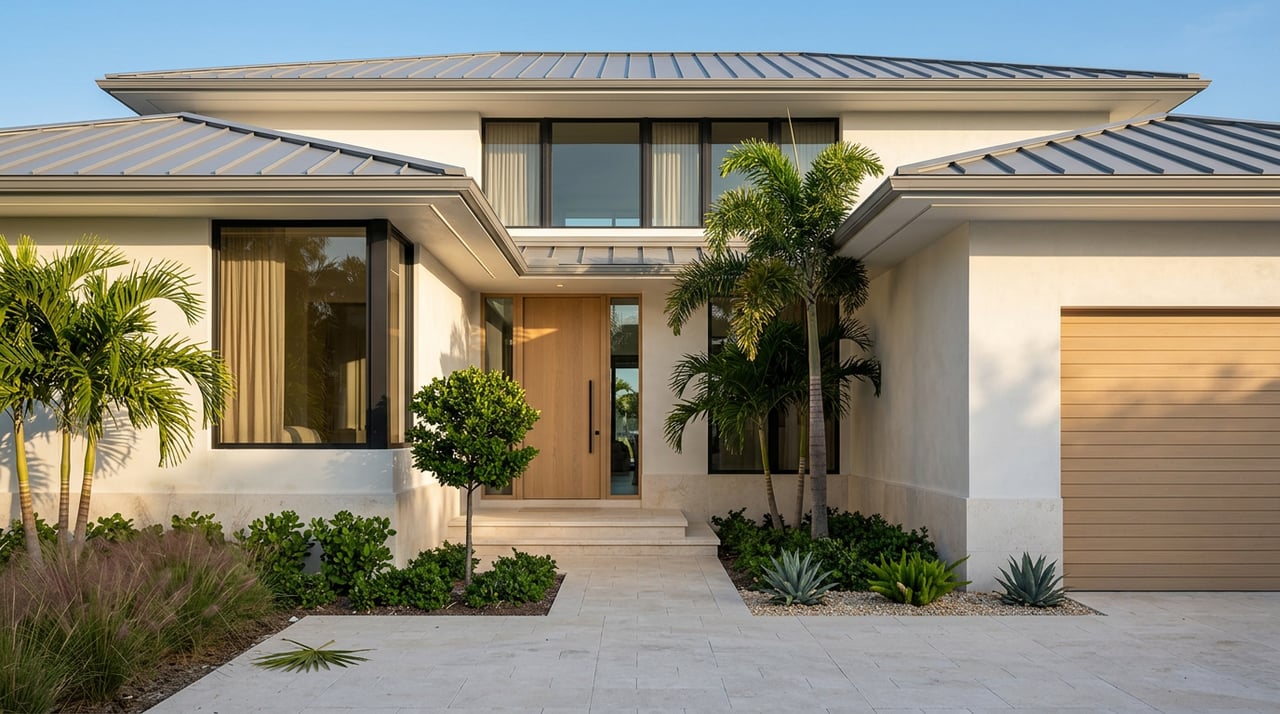
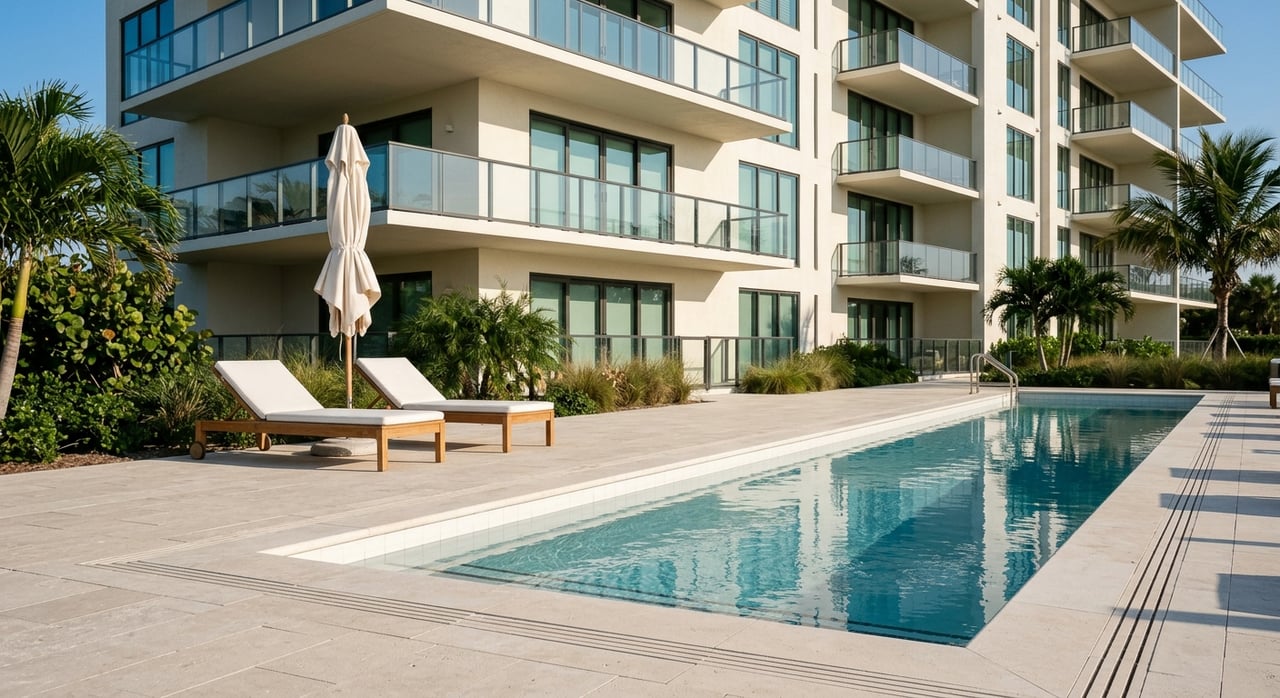
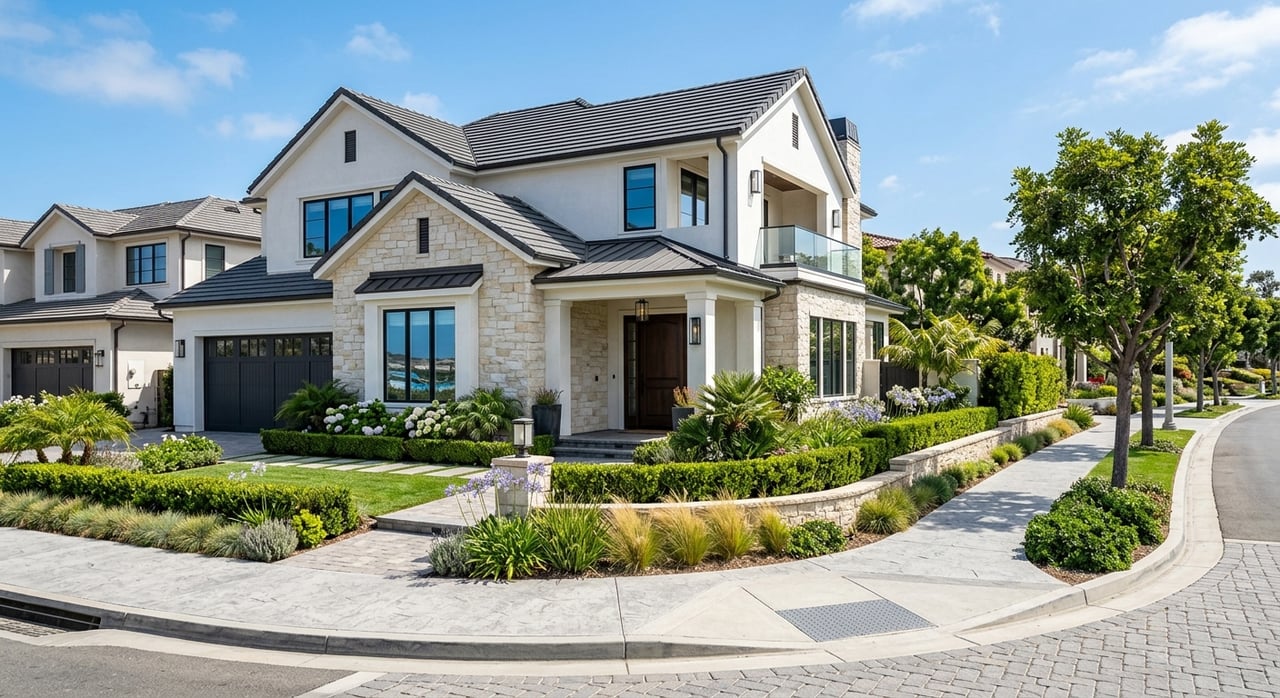
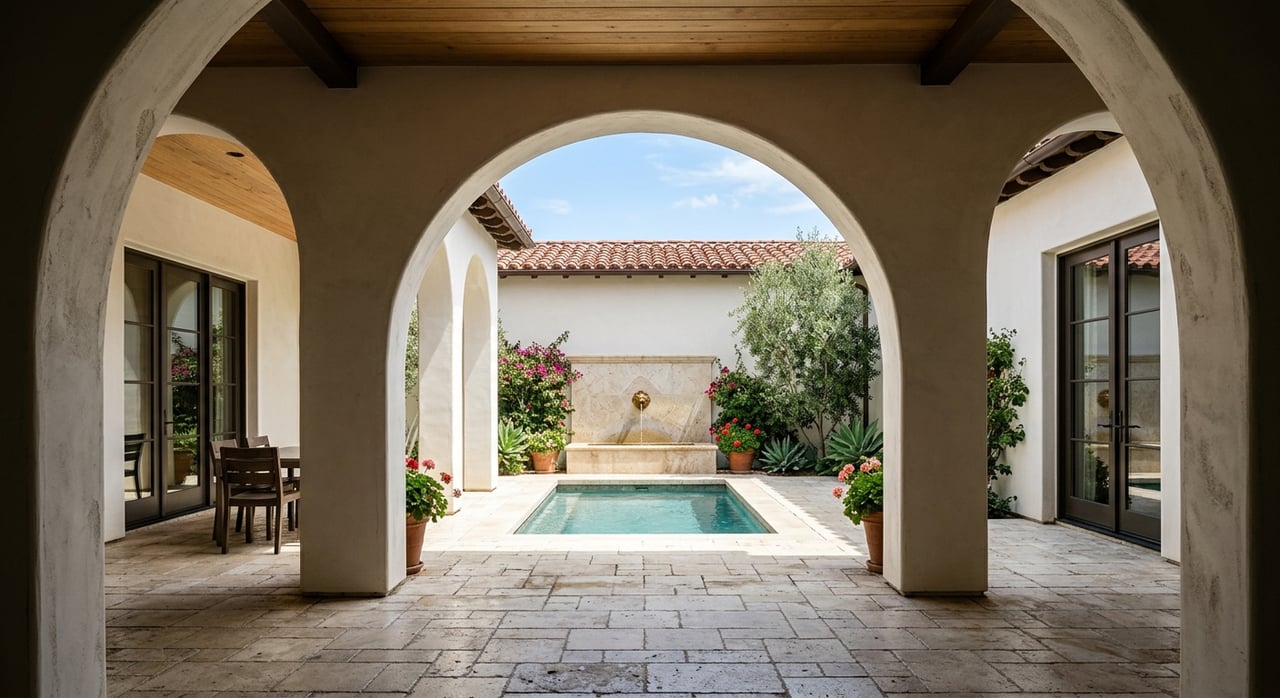
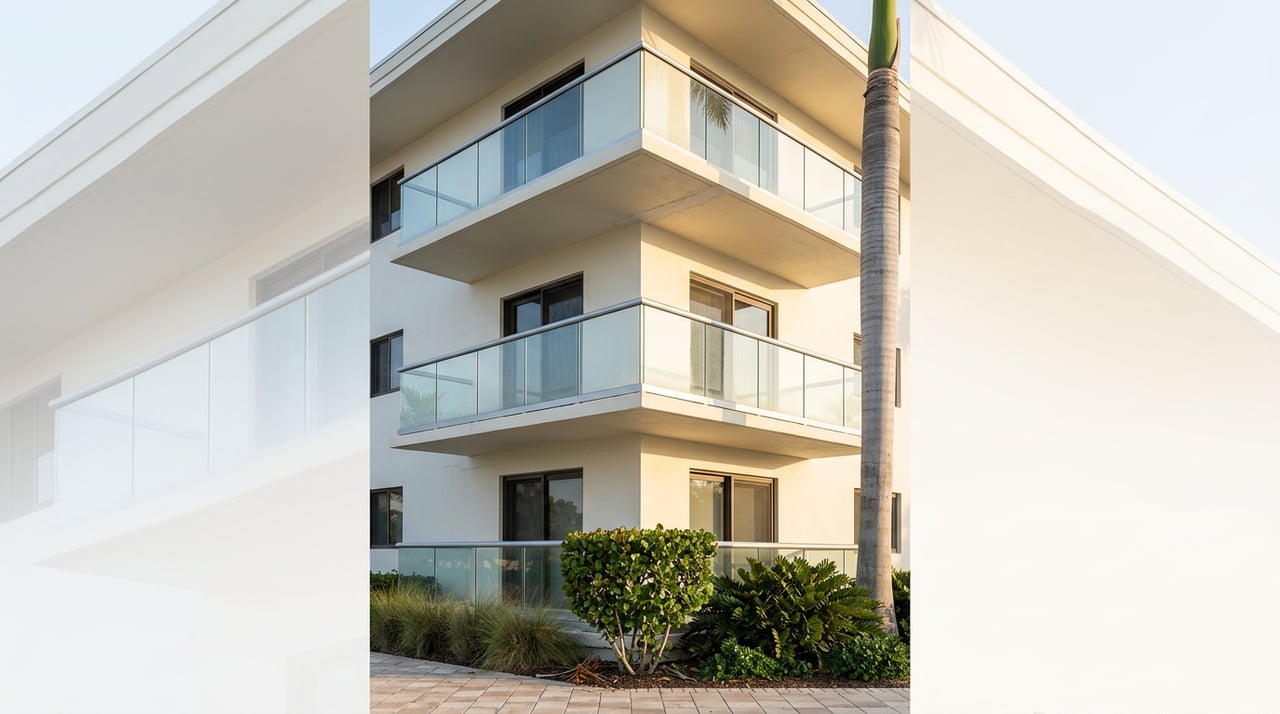
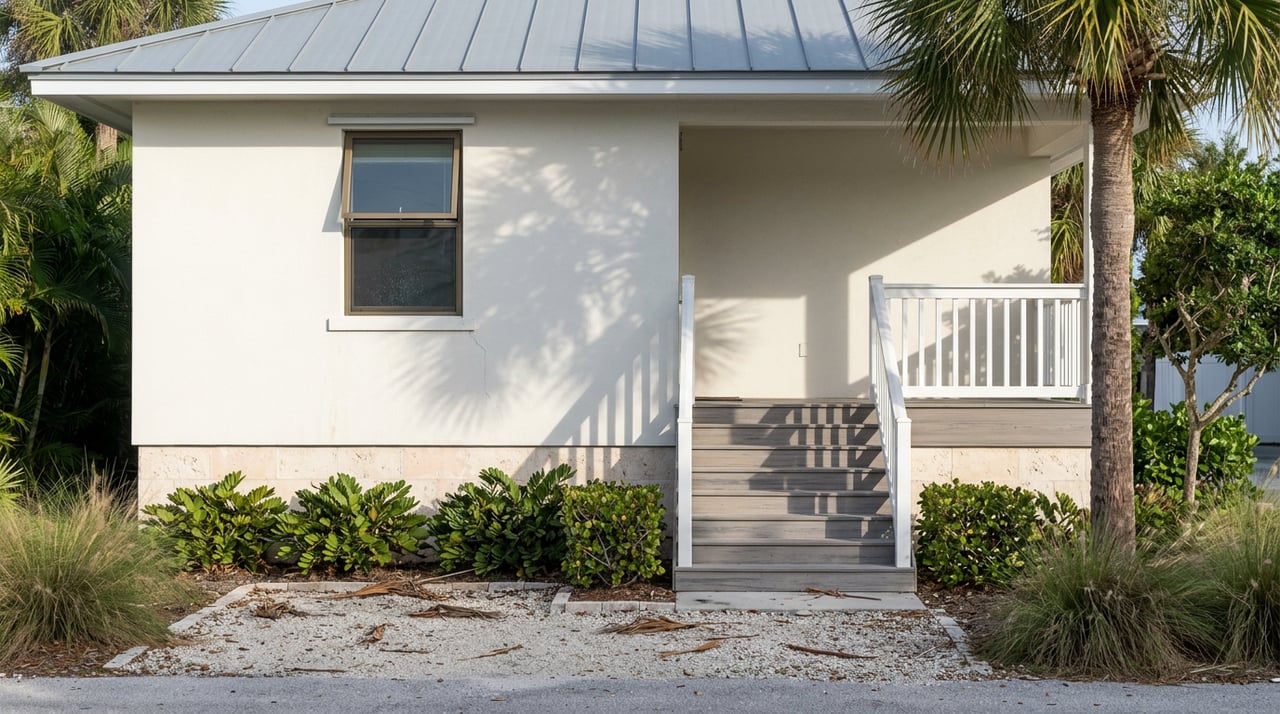
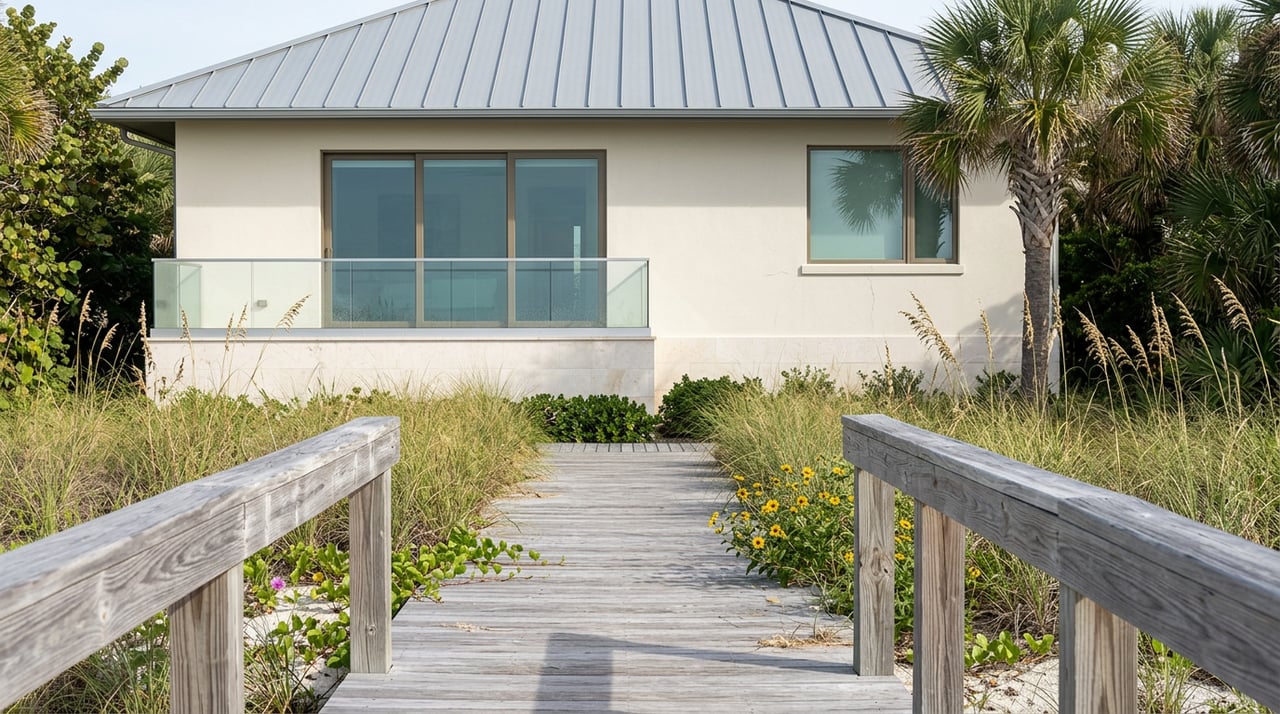
Current community information says 19 of the 36 villages are actively selling new construction, and two villages are age-restricted for residents 55 and older. Available home types range from condos and townhomes to villas, single-family homes, and custom homes, with broad price points from the high $200s to over $3 million.
Start With the Right Village
One of the first things to expect when building in Lakewood Ranch is that the search usually begins with the village, not the builder. Each village has its own feel, home types, amenity package, and fee structure.
Lakewood Ranch recommends starting at the New Home Center on Main Street, where Community Guides can explain the village map, match you with builders, and provide a personalized information package. If you are shopping from out of town, the community also offers a 30-minute virtual overview.
As you compare villages, focus on the details that affect your daily life. A village that looks great online may feel very different once you consider location, access, and rules.
What to compare between villages
- Commute time to work, shopping, and major roads
- Nearby amenities and town centers
- Home types offered, such as townhomes, villas, or custom homes
- Whether the village is gated
- Whether it is golf-oriented
- Whether maintenance is included
- Whether it is age-restricted
- HOA dues and district-related costs
Because Lakewood Ranch crosses county lines, confirm the exact village and homesite before assuming which county handles permitting, fees, or district charges. That step matters more than many buyers realize.
Builder Choice Shapes the Experience
Once you narrow down the village, your builder becomes a major part of the process. Lakewood Ranch currently features a wide range of builders, including national production builders and custom luxury builders.
Representative current builders include Ryan Homes, Lennar, Taylor Morrison, Kolter, Del Webb, Toll Brothers, Neal Communities, D.R. Horton, M/I Homes, David Weekley Homes, John Cannon, Homes by Towne, Lee Wetherington, Anchor Builders, AR Homes, Stock Luxury Homes, and Perry Homes by WestBay in Star Farms.
That variety is helpful, but it also means the buyer experience can differ from one builder to the next. Contract terms, included features, design-center process, lot releases, and build timelines are often builder-specific.
Homesite Selection Can Be the Hardest Step
Many buyers assume choosing the model is the big decision. In reality, the homesite can be the most limited and competitive part of the process.
Lakewood Ranch village pages show communities ranging from roughly 250 to 1,500 homes. Some enclaves are much smaller, including luxury custom sections like Monarch Acres with 8 homes and Waterside Kingfisher Estates with 13 homesites.
That means your preferred lot may not be available for long. If you want a certain view, orientation, or level of privacy, you may need to move quickly once you find the right fit.
What to evaluate on a homesite
- Lot size and shape
- Front and rear orientation
- Water, preserve, or other view considerations
- Privacy from neighboring homes
- Distance to amenities and entry points
- Pool feasibility
- HOA rules that may affect outdoor features
Lakewood Ranch says most single-family homes can accommodate a pool, but lot dimensions and HOA requirements still matter. It is smart to verify those details before you commit.
Understand the True Monthly and Long-Term Costs
The base price is only part of the financial picture when you build a new home in Lakewood Ranch. You should also plan for HOA dues, Stewardship District fees, upgrades, lot premiums, and other builder-related costs.
Lakewood Ranch says HOA dues vary by village and generally cover village amenities, common-area maintenance, some lawn care, and irrigation. The stated range is typically $100 to $800 per month, with most villages falling between $200 and $300.
The community also has a Stewardship District fee that appears on county tax bills. This helps fund roads, parks, trails, stormwater systems, conservation areas, and related infrastructure. Capital assessments may be repaid over about 30 years, while operations and maintenance assessments can change annually.
Budget items buyers often overlook
- Lot premiums
- Structural option upgrades
- Design-center finishes
- HOA dues
- Stewardship District assessments
- Pool and outdoor living costs
- Closing costs and prepaid items
What Happens After You Sign the Contract
After contract, the process usually moves into builder coordination, homesite confirmation, design selections, construction milestones, and closing preparation. Lakewood Ranch notes that buyers may work directly with the builder, though many still choose a Realtor, especially if they are relocating.
One builder example, David Weekley Homes, says to-be-built buyers move through 10 stages after selecting the homesite and signing the purchase agreement. While each builder uses its own steps and terminology, the big picture is similar across most new-construction purchases.
Expect the early phase to include documents, deadlines, deposits, and scheduling. This is where organization becomes very important.
Design Center Appointments Matter More Than Most Buyers Expect
The design center is where your home starts to feel personal, but it is also where budgets can change fast. Builders often offer a mix of included finishes, upgrade packages, and structural options.
Neal Communities says buyers work with a design consultant to choose items such as cabinetry, flooring, lighting, fixtures, colors, and layouts. David Weekley Homes says its Design Center offers thousands of pre-priced custom choices, and Toll Brothers describes its Design Studio as one-stop shopping with professional design help after the agreement of sale.
The key takeaway is simple: review your structural options, finish levels, and upgrade budget before the appointment. It is much easier to make clear decisions when you know what is included and what costs extra.
Good questions to ask before design selections
- What features are included in the base price?
- Which upgrades add the most value for your lifestyle?
- Which structural options must be chosen early?
- Are prices fixed or subject to change?
- What selection deadlines apply?
- What changes, if any, can be made later?
Build Timelines Are Ranges, Not Promises
One of the most important expectations to set is timing. New construction does not move on a perfect script, even in well-run communities.
National homebuilding data summarized by NAHB from U.S. Census Bureau timing shows the average time to complete a single-family home is 10.1 months nationally. In Lakewood Ranch, your timeline can be shorter or longer depending on homesite conditions, permit timing, weather, labor, materials, and any change orders.
A helpful way to think about the process is in phases. Those phases generally include pre-construction, site work and foundation, framing and shell work, rough-ins, exterior finishes, interior finishes, final site work, closeout, and move-in.
If you are planning a lease ending, school-year move, or sale of another property, build extra time into your schedule. Flexibility can reduce stress when construction timing shifts.
Permits and Inspections in Manatee County
If your Lakewood Ranch homesite is in Manatee County, the county’s Building Division handles permit review and issuance. The inspections team covers structural, gas, plumbing, mechanical, and electrical work.
Florida’s current building code is the 8th Edition, effective December 31, 2023. State guidance says anyone intending to construct, enlarge, alter, or repair a building must first apply to the building official and obtain the required permit.
Manatee County says buyers should expect basic site documents to be posted on the job site, including signed and stamped plans, the permit card, and the Notice of Commencement when applicable. The county also states that a certificate of occupancy or completion requires all final inspections to pass, any CO holds to be released, and fees to be paid.
Another detail worth knowing is that Manatee County permits expire after 180 days if no required inspections have been approved. While your builder manages the construction process, understanding these milestones helps you follow progress with more confidence.
Where Buyer Representation Helps
You can work directly with a builder in Lakewood Ranch, but that does not mean you have to go through the process alone. The community itself notes that many buyers choose a Realtor, especially when relocating from another area.
In a market with many villages, builders, fee structures, and release schedules, guidance can make the process more efficient. Buyer representation can help you compare options, stay organized, and keep important details from slipping through the cracks.
For new-construction buyers, The Ackerman Group’s value is not just opening doors. It is helping you weigh village differences, understand cost layers like HOA dues and Stewardship District charges, track deadlines, and navigate the path from homesite selection to closing with clear communication and full transaction management.
Final Thoughts on Building in Lakewood Ranch
Building a new home in Lakewood Ranch can be a great fit if you want a fresh start, modern features, and a community with broad lifestyle options. The process is exciting, but it works best when you go in with a clear plan for village selection, homesite priorities, budget, and timeline.
If you are exploring new construction in Lakewood Ranch and want a boutique team with local knowledge and hands-on guidance, The Ackerman Group can help you compare communities, evaluate builders, and move through the process with confidence.
FAQs
What should you consider first when building a new home in Lakewood Ranch?
- Start with the village, because your location affects commute, amenities, home types, fees, and the overall lifestyle fit.
How many Lakewood Ranch villages currently offer new construction?
- Current community information says 19 of the 36 villages are actively selling new construction.
What types of new homes are available in Lakewood Ranch?
- Buyers can find condos, townhomes, villas, single-family homes, and custom homes, with price points ranging from the high $200s to over $3 million.
What extra costs should you expect with a Lakewood Ranch new build?
- In addition to the home price, plan for HOA dues, Stewardship District assessments, lot premiums, upgrades, pool costs, and closing-related expenses.
How long does it take to build a new home in Lakewood Ranch?
- Timelines vary, but national data summarized by NAHB shows an average of 10.1 months to complete a single-family home, and your build may be shorter or longer depending on permits, weather, labor, materials, and change orders.
What permits and inspections apply to a new home build in Manatee County?
- In Manatee County, the Building Division handles permits and the inspections team reviews structural, gas, plumbing, mechanical, and electrical work before final approval and certificate of occupancy or completion.