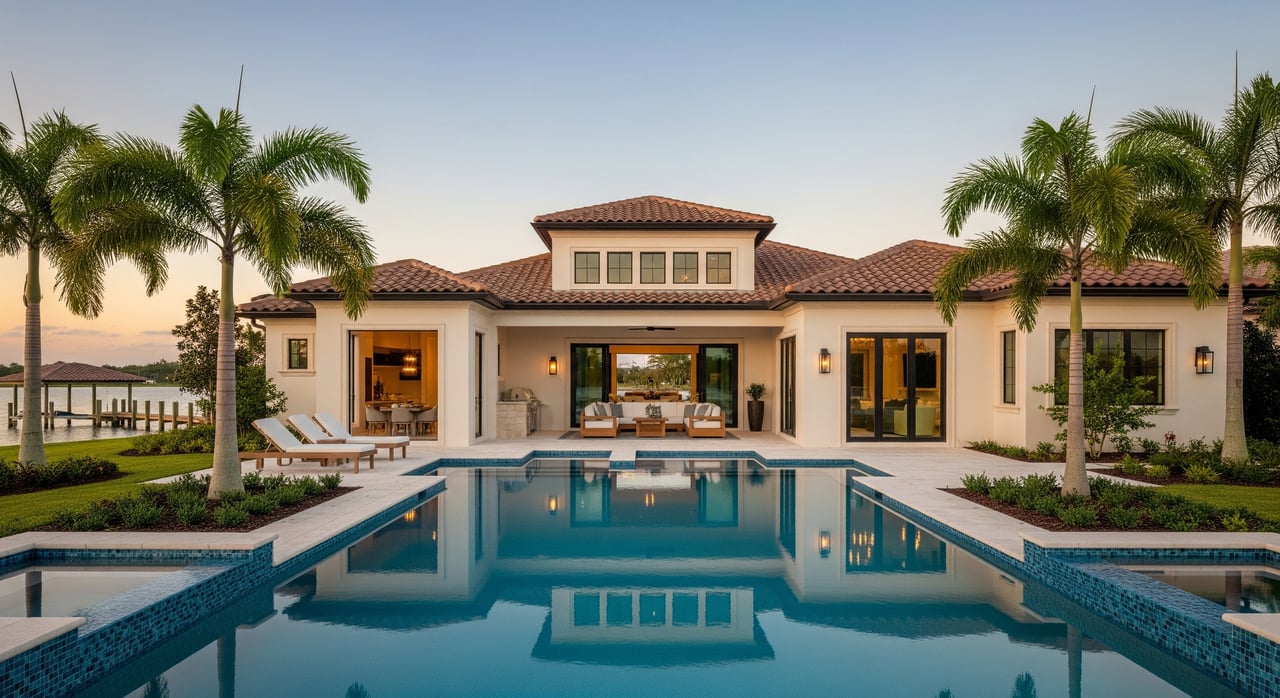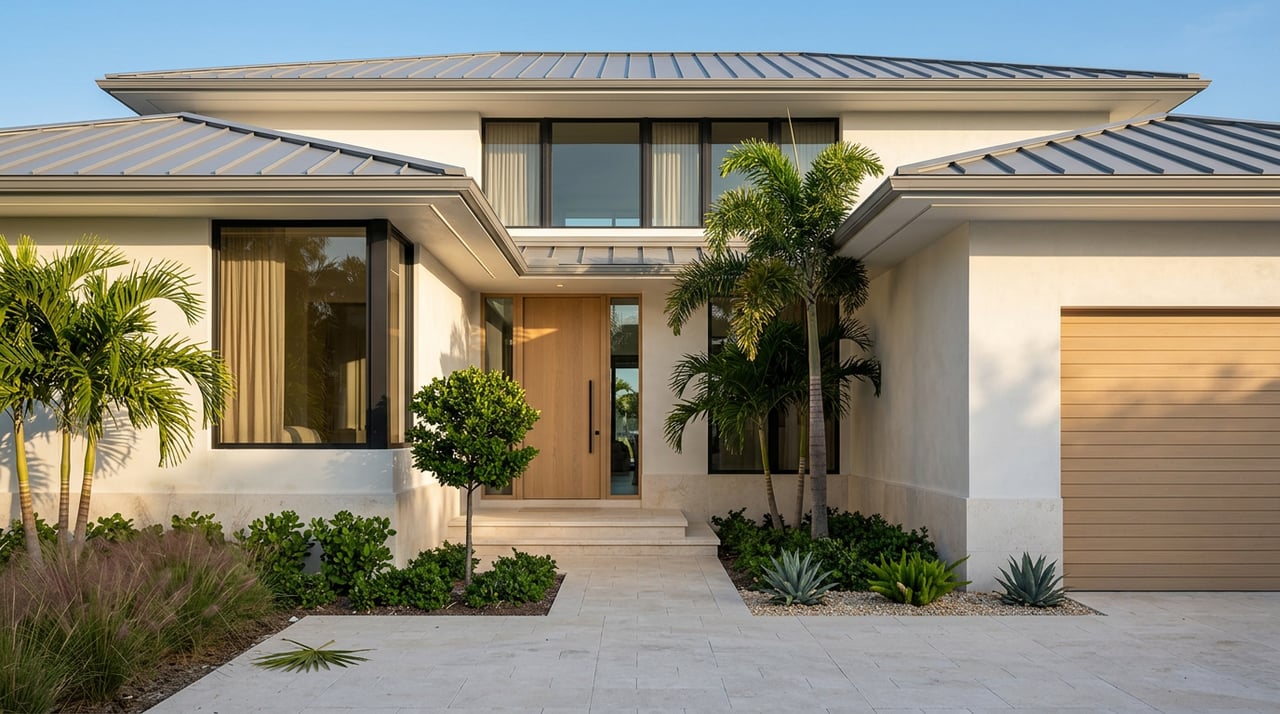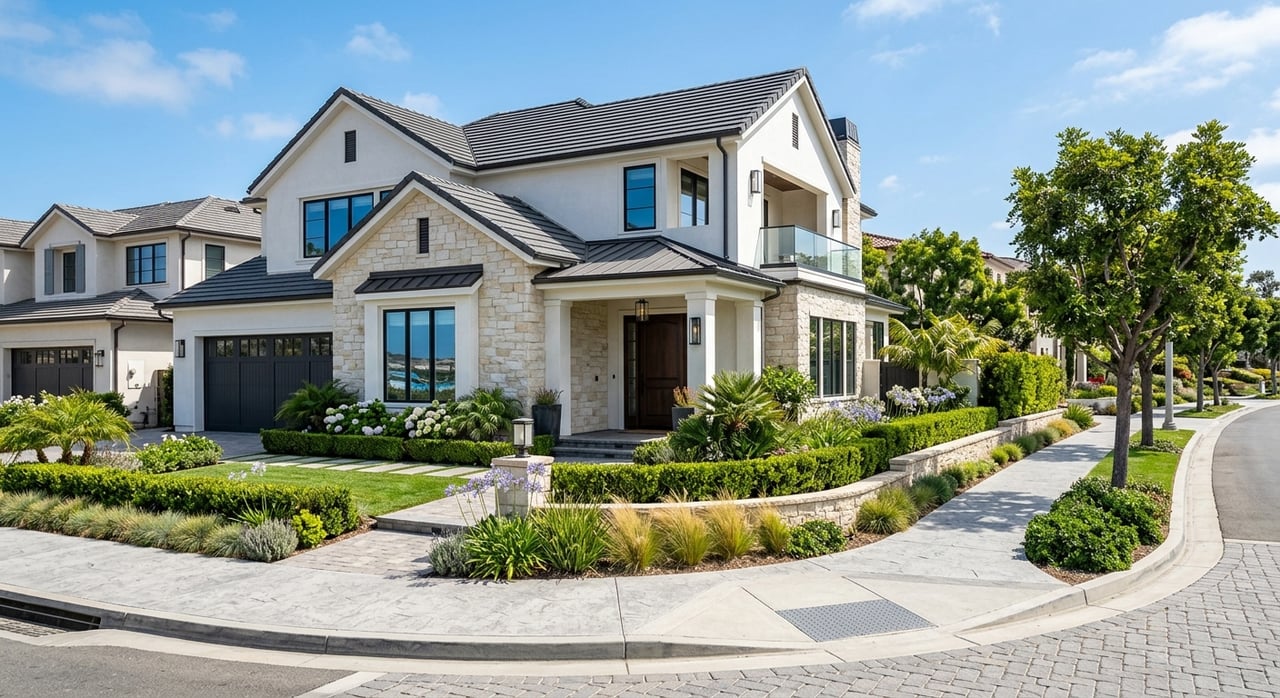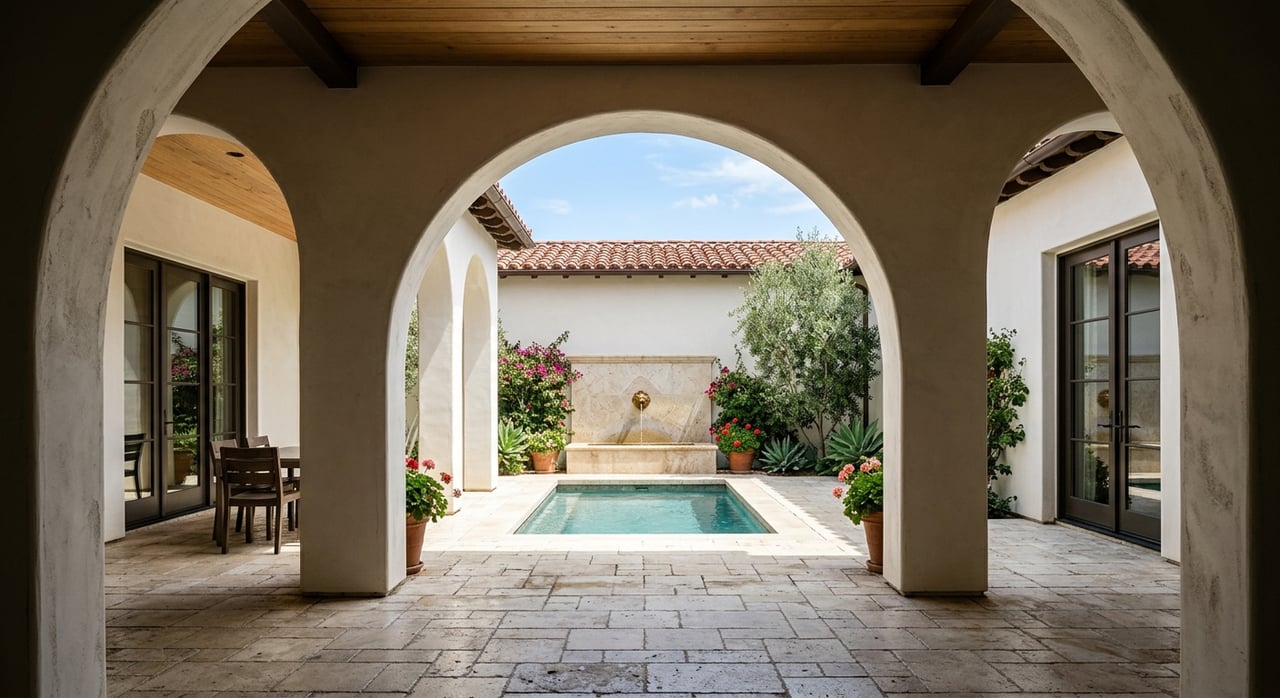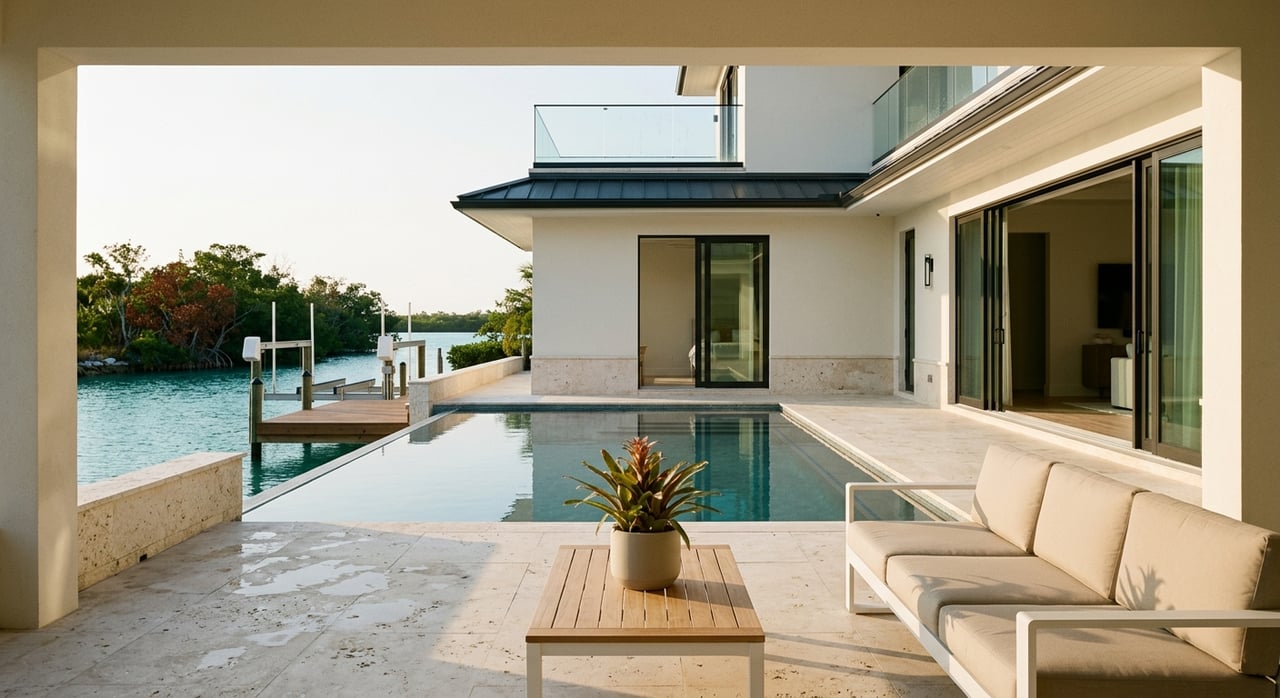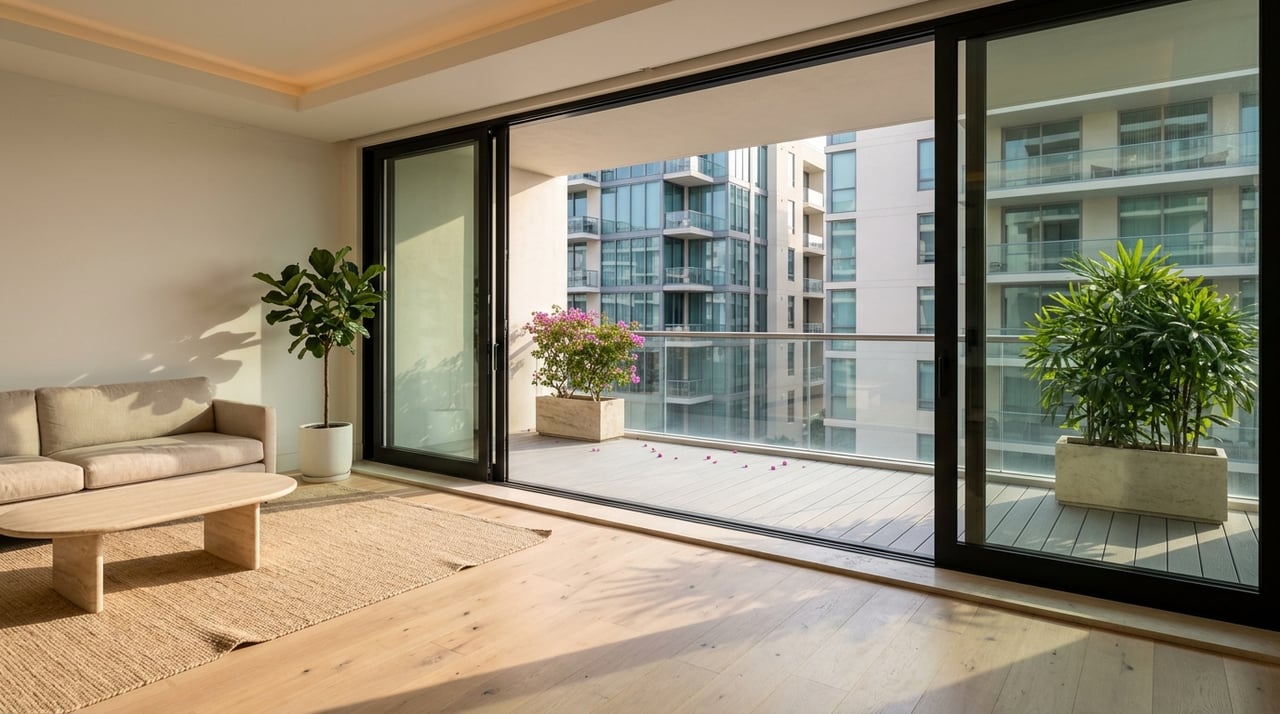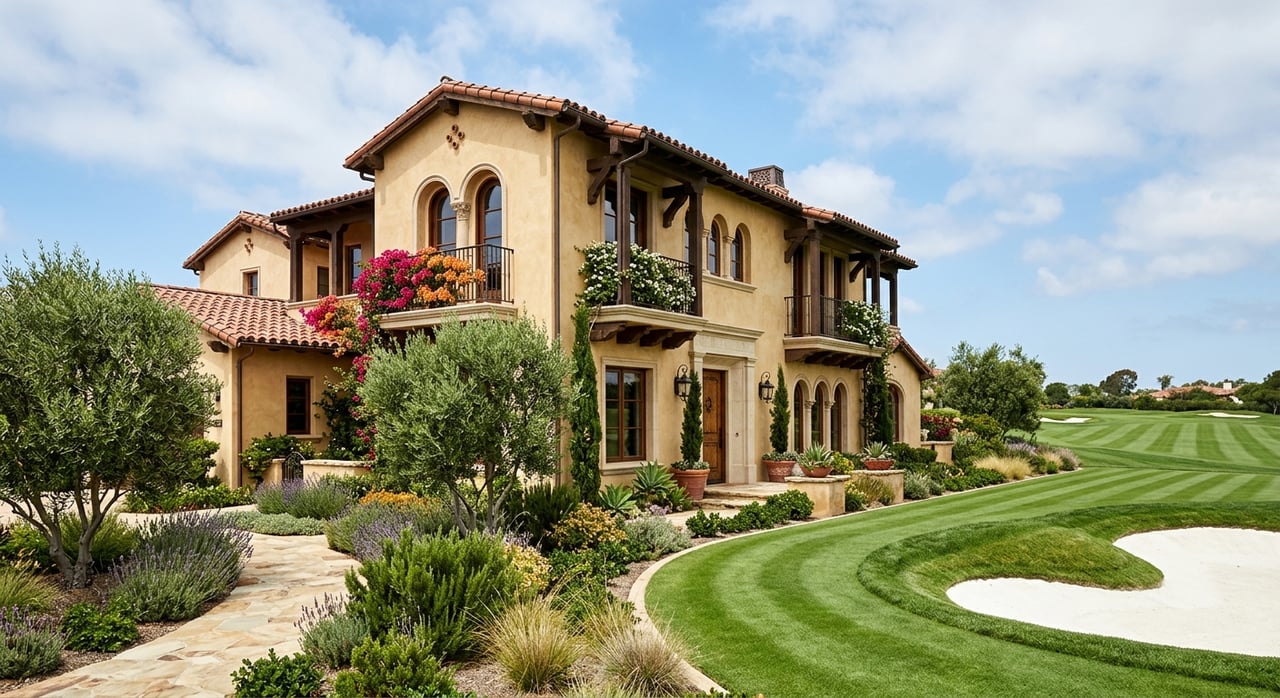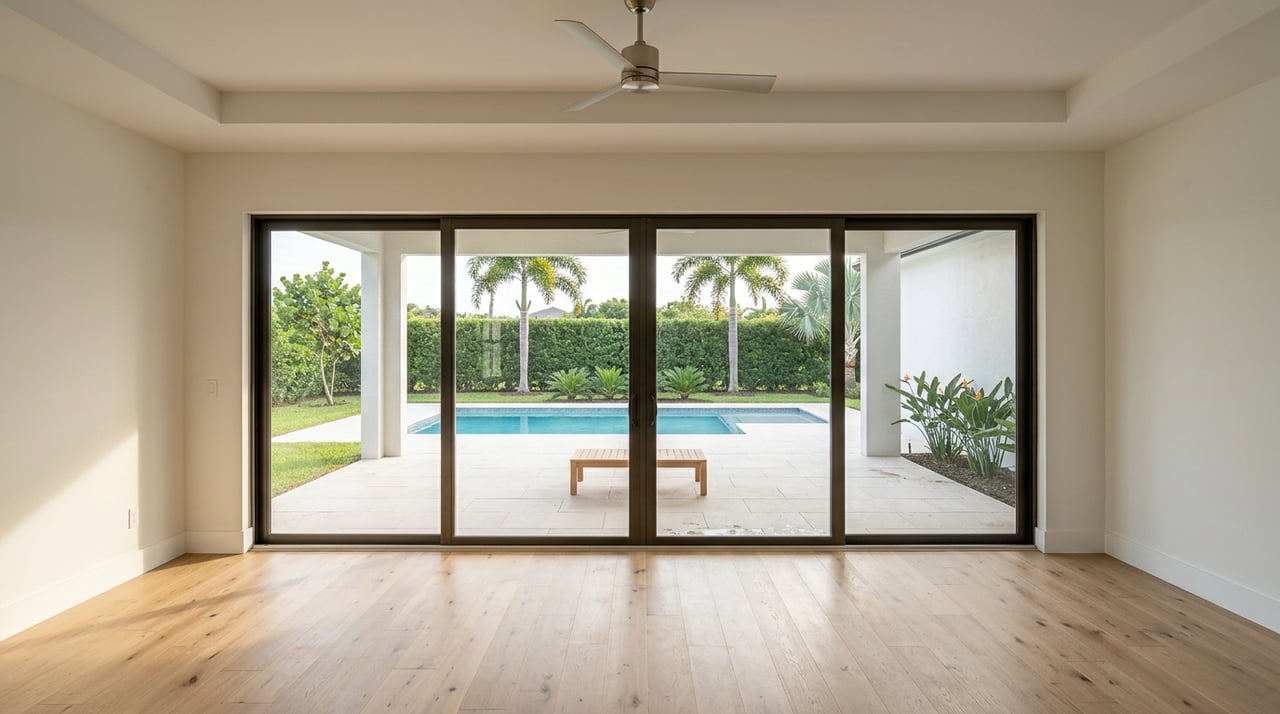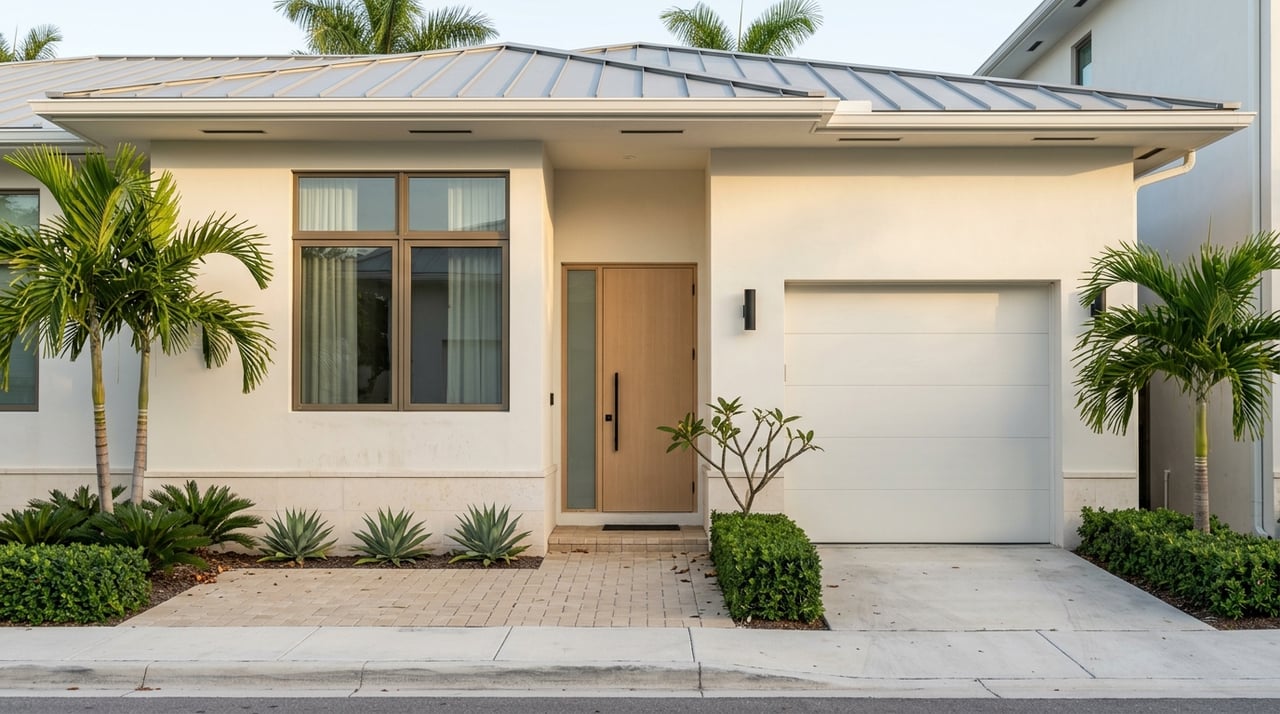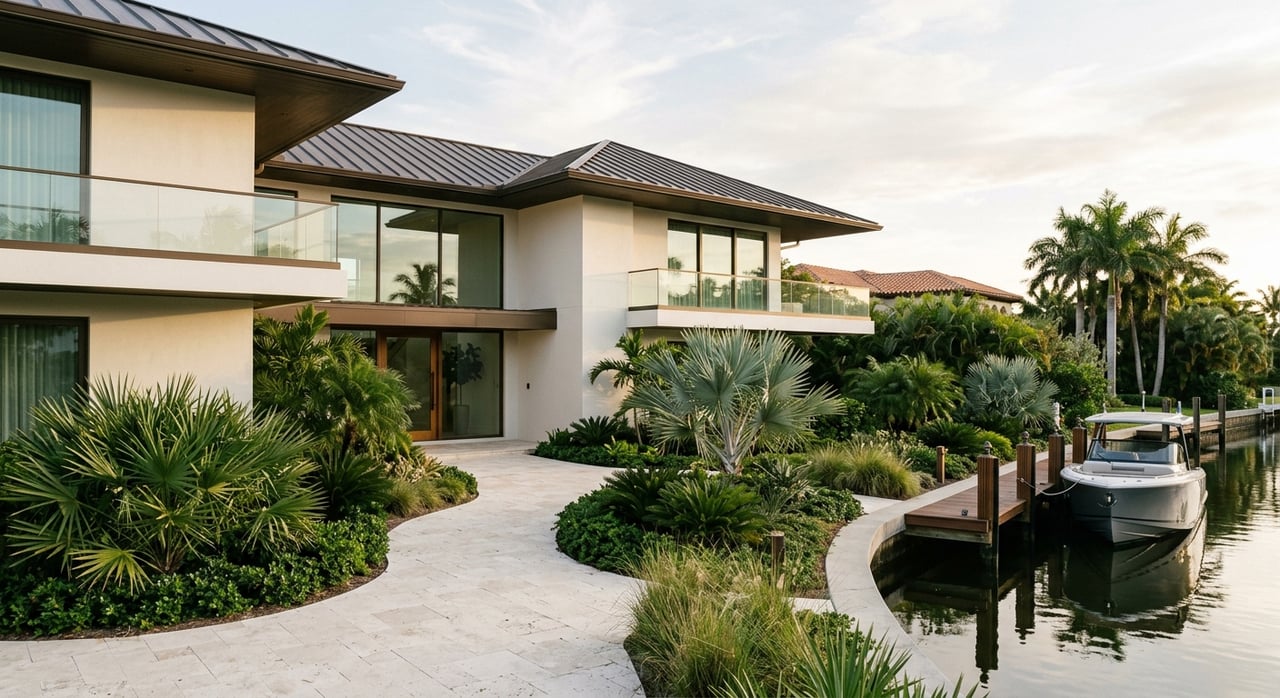
Picture two buyers who each set the same budget this fall: about $550,000, the number that turns up when they search "Lakewood Ranch home prices." Buyer one tours a resale home near Country Club East, in the established heart of the community, and leaves unimpressed. At that price, the homes here run smaller and older, often in need of updating. Buyer two, working with the identical budget a few miles north in Star Farms, walks through a brand-new single-family home with a resort clubhouse membership built in, a builder's home warranty, and a rate buy-down that visibly lowers the mortgage payment. Same number. Same community. Two buyers who would swear they were shopping in different cities.
They aren't wrong to feel that way. Lakewood Ranch is not one housing market wearing a single price tag. It's a 55-square-mile master plan stretching across Manatee and Sarasota counties, built out over three decades and still expanding, organized into more than 30 distinct villages that function like separate submarkets. The figure labeled "median" on a portal search is a blend of all of them, which means it answers almost none of the questions a specific buyer is actually asking.
One Address, Four Different Products
A village-by-village breakdown published in February 2026 sketched out just how far the numbers actually spread once you stop averaging them together:
| Zone | Typical Median (early 2026) | Price per Sq Ft | What It Actually Is |
|---|---|---|---|
| Northwest core (34211) | ~$495,000 | ~$264 | Established, denser mix of townhomes, villas, and condos alongside single-family resale |
| Northeast / frontier sections | ~$554,000 | ~$259 | Almost entirely new construction; median year built close to 2025 |
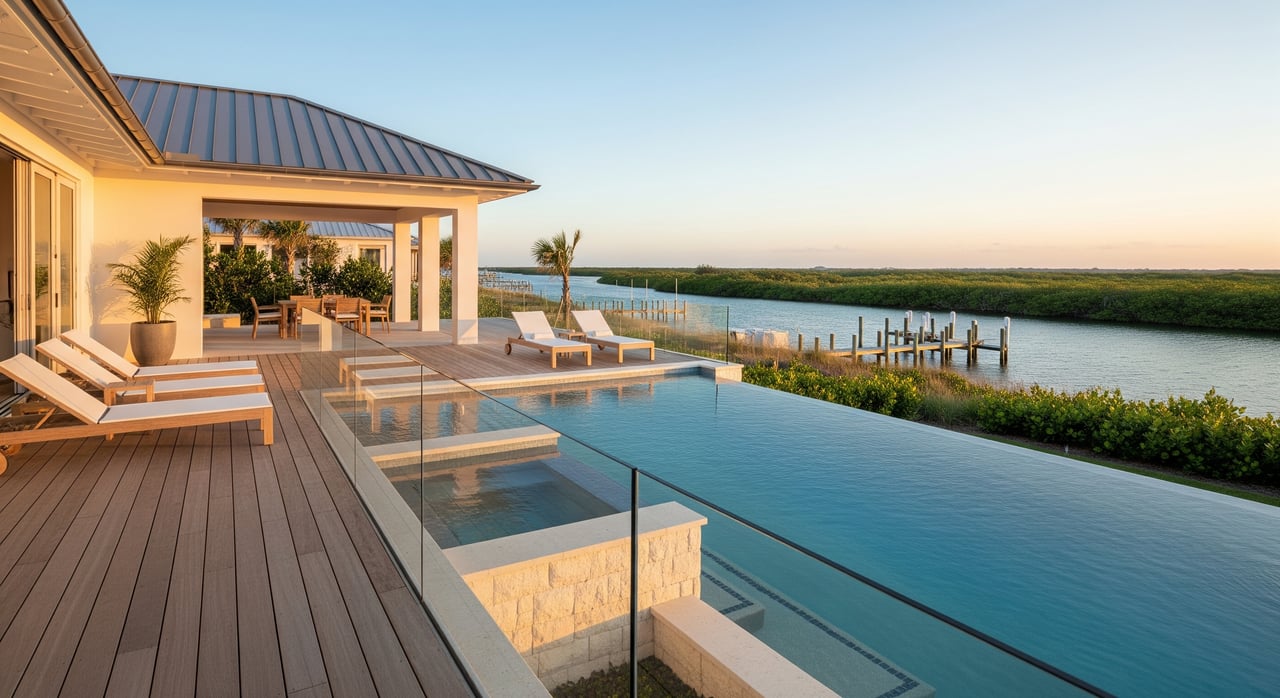
| Established luxury core (The Lake Club, Country Club East) | ~$750,000 | ~$318 | Older, larger single-family estate lots on mature landscaping |
| Waterside Place district | ~$850,000+ | ~$352 | Newest lakefront town-center village, highest cost per square foot in the community |
That's a spread of roughly $355,000 between the low end and the high end, inside a single community that shares one name, one zip code cluster, and one entrance sign on University Parkway. A gap that size would be unremarkable if it described two different towns. Inside one master plan, it means the word "median" is doing almost no useful work.
Why the Spread Is Wider Than It Looks
The gap isn't really about prestige. It's about what's actually being built and sold in each pocket of the Ranch.
The northwest core carries a heavier mix of townhomes, villas, and condos, which pulls its median down structurally rather than reflecting lower quality. Families and value-focused relocators cluster here, near established schools, in a zone that's been built out the longest. Villages like Mallory Park, Savanna, Polo Run, and Indigo sit in this more accessible tier, offering full amenity packages at prices that don't require crossing $600,000.
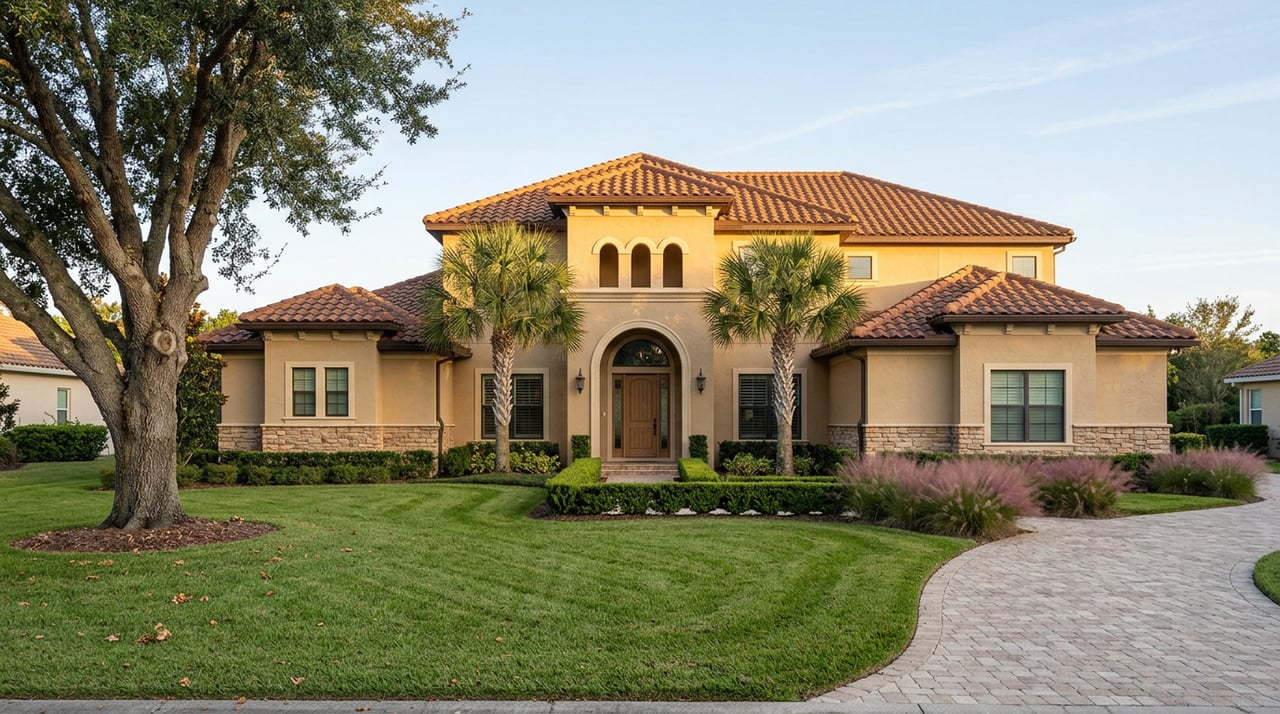
The northeast and frontier sections, by contrast, are almost entirely new construction, with builders like Taylor Morrison, Lennar, and Neal Communities active and competing hard for buyers. Azario, anchored by an 18-hole golf course and its Esplanade sub-communities, drives a large share of the activity here.
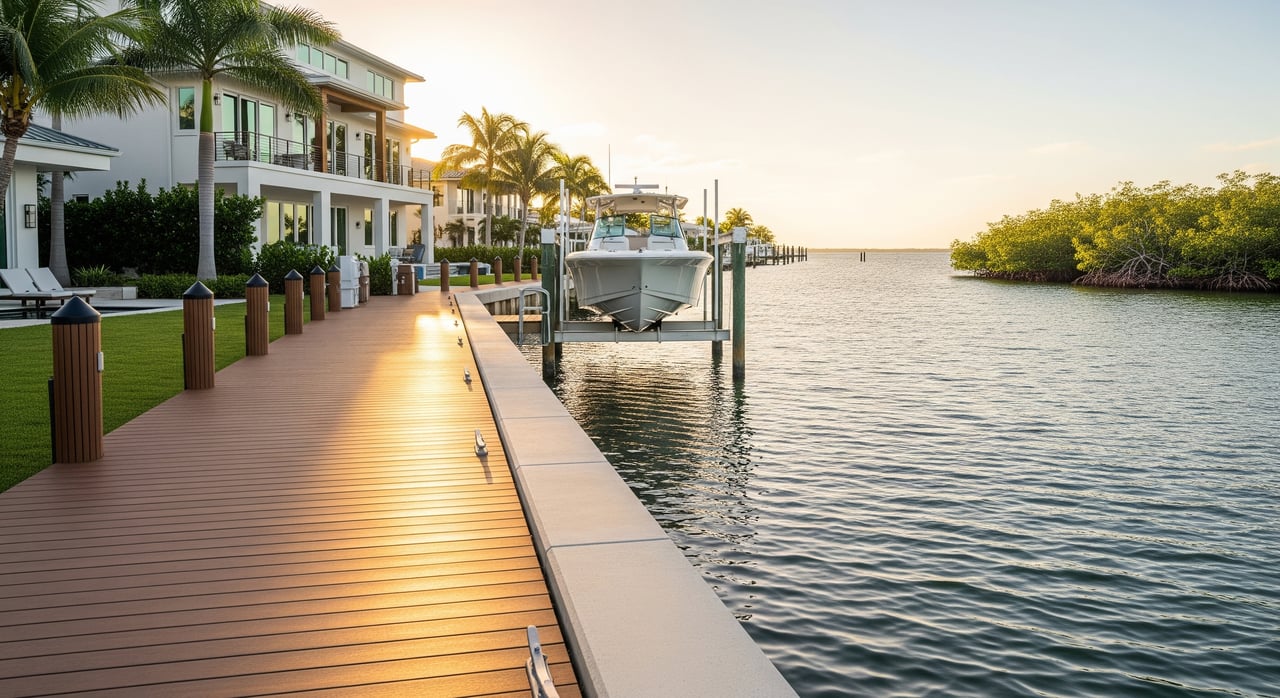
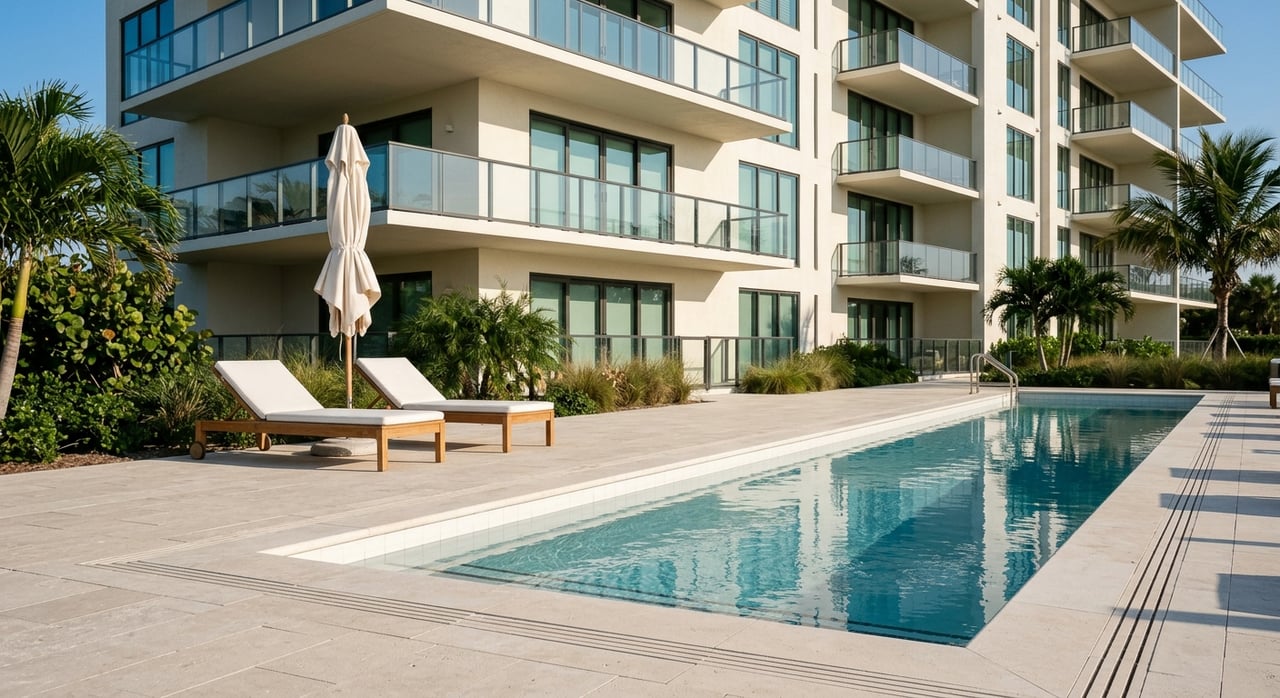
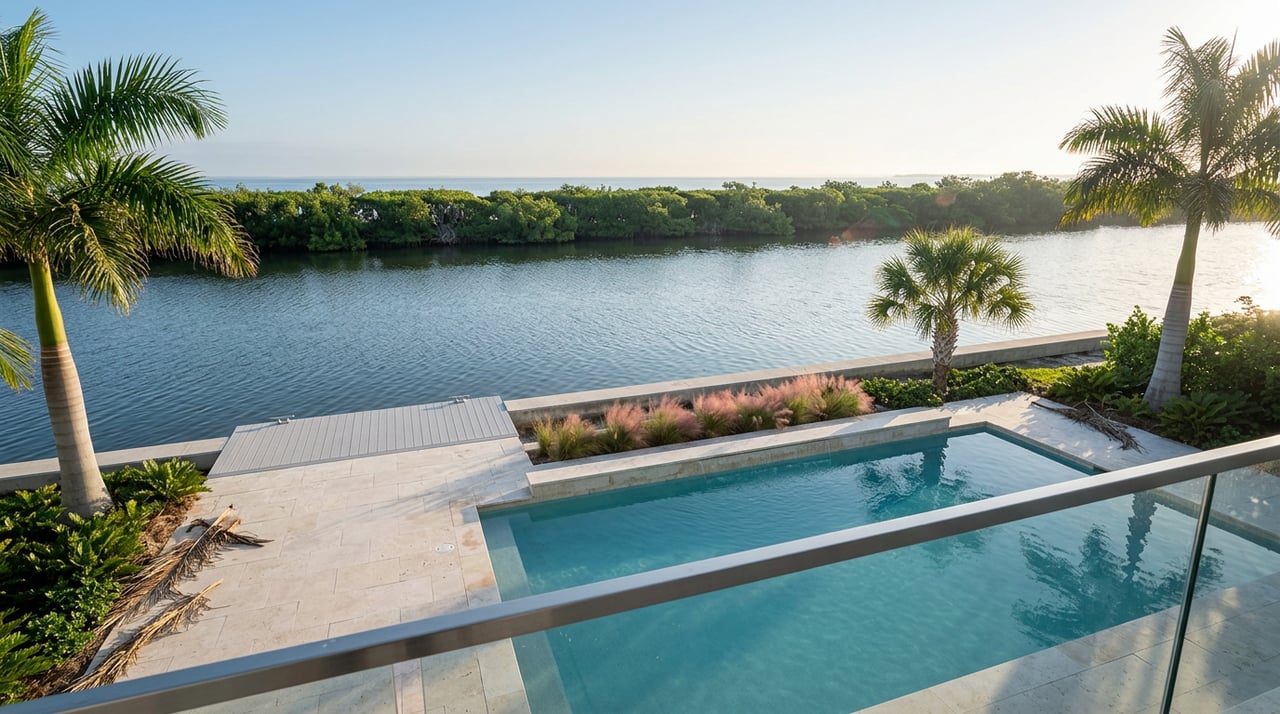
Waterside Place commands the top of the range because it's selling something none of the other zones can offer: a genuinely walkable lakefront town center, with restaurants, retail, and a weekly farmers market, built around neighborhoods like Bungalow Walk, Shellstone, Wild Blue, Kingfisher Estates, and Emerald Landing. Buyers here are paying for proximity to that town center as much as for square footage.
And then there's Star Farms, which complicates the whole picture on its own. It's a 1,300-acre gated village with six builders working across five enclaves, meaning a buyer can tour a townhome in the high $300s and a custom estate home over $2 million in the same afternoon, inside the same gated entrance, sharing the same amenity system. No other village in Lakewood Ranch spans that much internal range by itself.
The Fee That Doesn't Show Up in the Search Filter
There's a second number that widens the real gap between listings even further, and it rarely shows up where buyers expect to find it.
A Community Development District, or CDD, is a special-purpose government district that finances roads, utilities, and amenities through bonds, repaid through an annual assessment on the property tax bill. It is separate from the HOA fee, and it's easy to miss because HOA dues tend to headline the marketing while CDD assessments sit quietly inside the county tax record instead of the listing sheet.
The gap this creates can be significant even within a single village. A spring 2026 breakdown of Lakewood Ranch fee structures showed CDD assessments at Star Farms running from roughly $1,273 a year on smaller lots and townhomes up to $3,265 a year on estate lots. That's a swing of nearly $2,000 a year, on top of whatever the HOA dues run, before a buyer has done anything more than pick a different lot within the same gated entrance.
Two homes advertised at the same list price, even in the same village, can carry meaningfully different real carrying costs once CDD is factored in. The only reliable way to know the actual number for a specific home is to pull the assessment for that lot from the county tax record, or ask the builder or listing agent directly, rather than relying on a village average.
New Construction Is Quietly Repricing the Resale Market
The final piece of the puzzle is timing. Builders across the newer sections of Lakewood Ranch have been leaning on incentives, rate buy-downs, closing cost contributions, design center credits, to move inventory, and that's changing what a resale home actually has to compete against.
In February 2026, Forestar Group, the developer behind Star Farms, confirmed that the village had outsold every other community in the Lakewood Ranch master plan the previous year. That's not a small claim. It means the single newest, most heavily incentivized village in the entire Ranch pulled more buyers than the established core, the golf communities, and every other new-construction village combined.
For a resale seller in an older section, that matters directly. If a buyer can get a brand-new home with a subsidized rate and included upgrades for roughly the same monthly payment as a five-year-old resale, the resale seller has to compete on price, condition, or both. The sale price on paper might look identical to a listing from a year ago. The real competition a resale seller is facing has shifted underneath it.
What to Ask Before You Anchor to the Median
Before treating any published Lakewood Ranch price as a starting point, it's worth settling three questions first. Which specific village, not just "Lakewood Ranch," is actually being compared. What the CDD assessment is for that exact lot, not the village-wide average. And whether the price reflects a resale home or new construction carrying a builder incentive, since those two products can post the same number and mean very different things for a monthly payment.
FAQ
What's the difference between an HOA fee and a CDD fee in Lakewood Ranch? HOA fees go to the homeowners association and typically cover amenity maintenance, common area landscaping, and community management. CDD fees are a separate, bond-financed infrastructure assessment that shows up on the annual property tax bill rather than the HOA disclosure.
Why does the same village sometimes show a wide range of CDD costs? CDD assessments are generally tied to lot size and home type. Within a single gated entrance, a townhome and an estate lot can sit in entirely different tiers, as seen at Star Farms, where the spread runs from roughly $1,273 to $3,265 a year depending on the lot.
Does the citywide median price tell me anything useful? It gives a rough order of magnitude for the master plan as a whole, but not what a specific home in a specific village will cost. The northwest core, the established luxury core, and Waterside alone span roughly $495,000 to $850,000 in early 2026 breakdowns, a gap wide enough to make the citywide figure a poor stand-in for any one buyer's search.
If you're comparing villages inside Lakewood Ranch and want the fee structure and true carrying cost sorted out before you write an offer, not after, that's exactly the kind of groundwork The Ackerman Group walks clients through village by village.